
Innovation in the field of inhalation therapies
Author
Alpha1 Germany eV.
Or: How can digital solutions support us in the treatment of respiratory diseases?
Patients with respiratory illnesses have their hands full trying to manage their chronic condition. Long-term adherence to therapy, regular doctor's appointments, and any limitations they may face already present a major challenge for many. This resulting treatment marathon is heavily dependent on the most crucial element: actually inhaling the medications effectively.
Experts agree that the inhalation process is very complex and therefore doesn't always work. But why isn't anyone doing anything about it? The main reason: training courses are time-consuming!
„A solution is needed. With the current state of technology, things can’t stay this way,“ thought Dr. Sabine Häußermann, and about a year ago she founded the startup VisionHealth, which will release its KATA app for smartphones later this year.
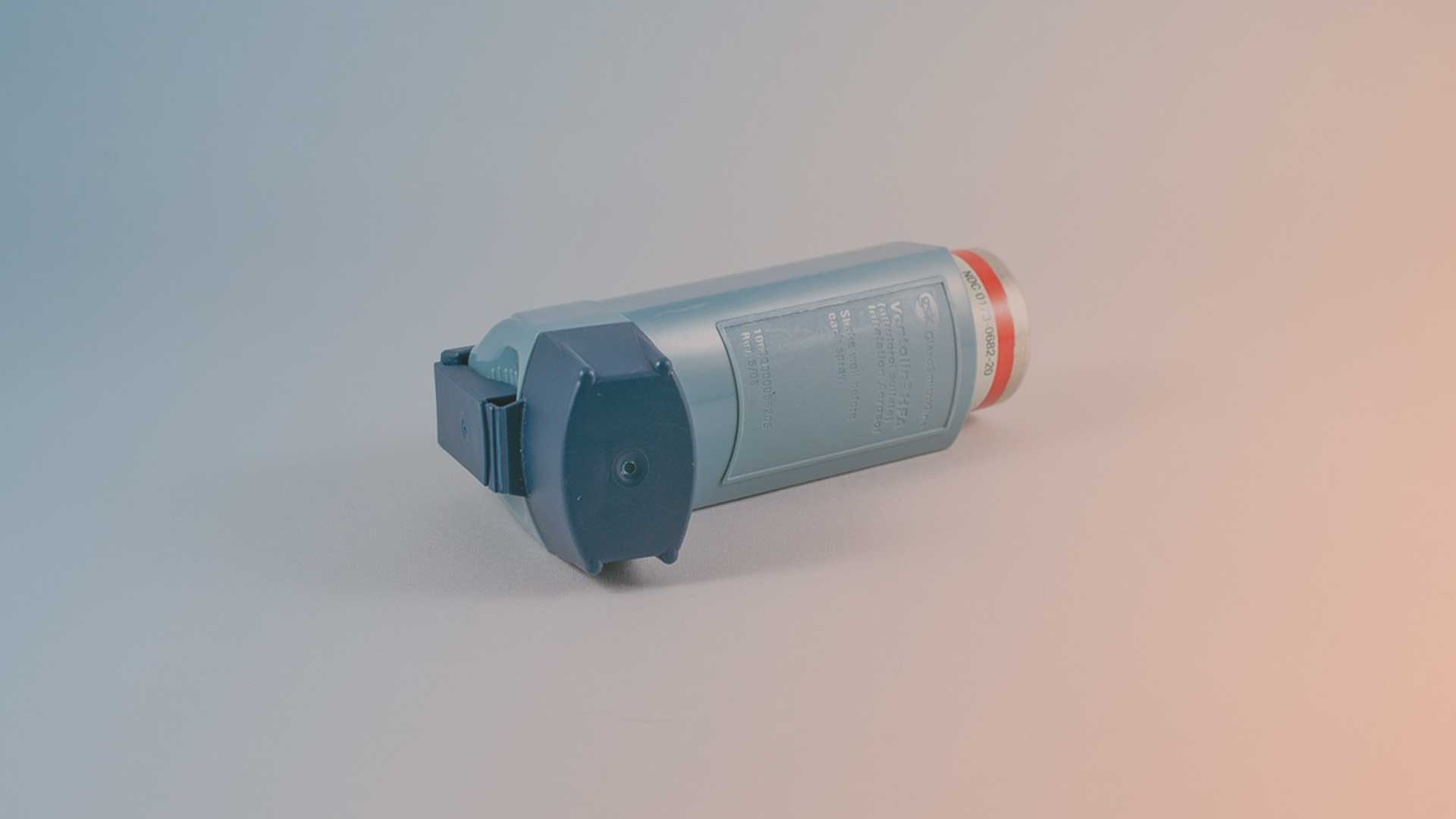
KATA uses artificial intelligence and augmented reality to train users in the proper inhalation technique. With these capabilities, the app offers an interactive training function. It guides users through each step of the inhalation process and provides feedback on how they can improve their technique for even more effective inhalation. The initial inhalation trainer is designed for metered-dose inhalers (MDIs), but over time, more and more training programs for other devices will become available in the app.
In addition to a comprehensive collection of information on inhalation therapy and a training guide for correct inhalation technique, an inhalation diary is also available. This diary records valuable progress information over several days or weeks through current readings and statistics. If desired, users can share their data with family members or use the reminder function to ensure, for example, that their emergency inhaler isn't forgotten on the way to the gym.
But KATA not only helps individual patients, it also contributes to the treatment therapies of the future. The (anonymous) insights into the application and benefits of the therapies will help future patients achieve more effective and better treatment outcomes. Basic research can evaluate these results and incorporate them into new developments. Existing therapies can also be reassessed. In the long term, KATA will even be able to detect the signs of exacerbations. Early intervention can then prevent or at least mitigate hospital stays.
Published in Alpha1 Journal 1-2018.
Alpha1 Germany supports this research and will monitor and report on the development of the app.


