Your lifestyle can positively influence the course of your illness:
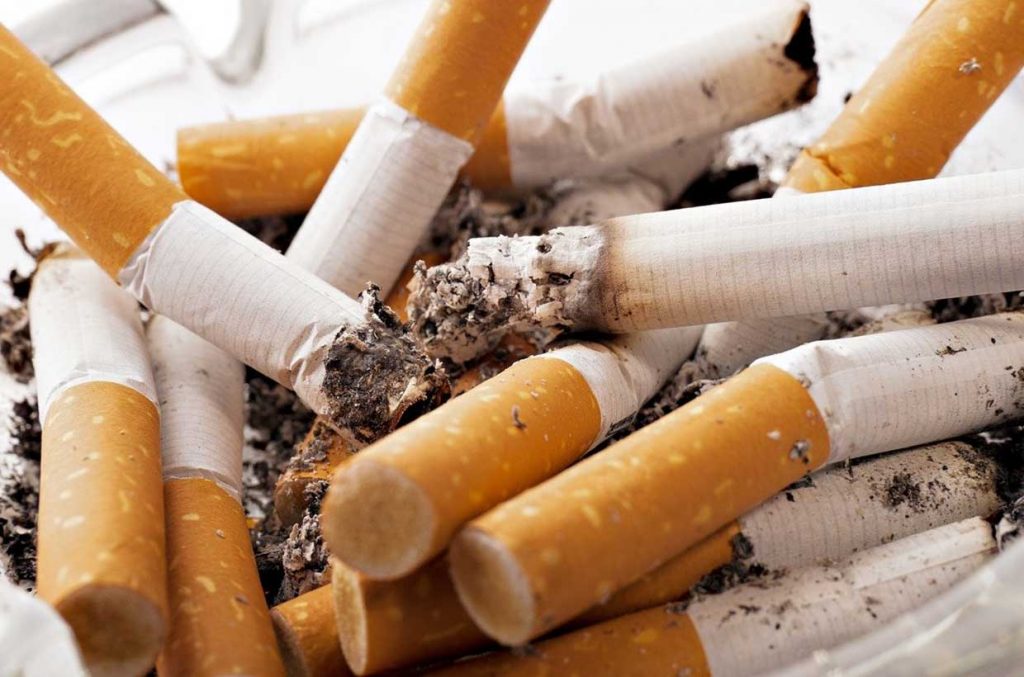
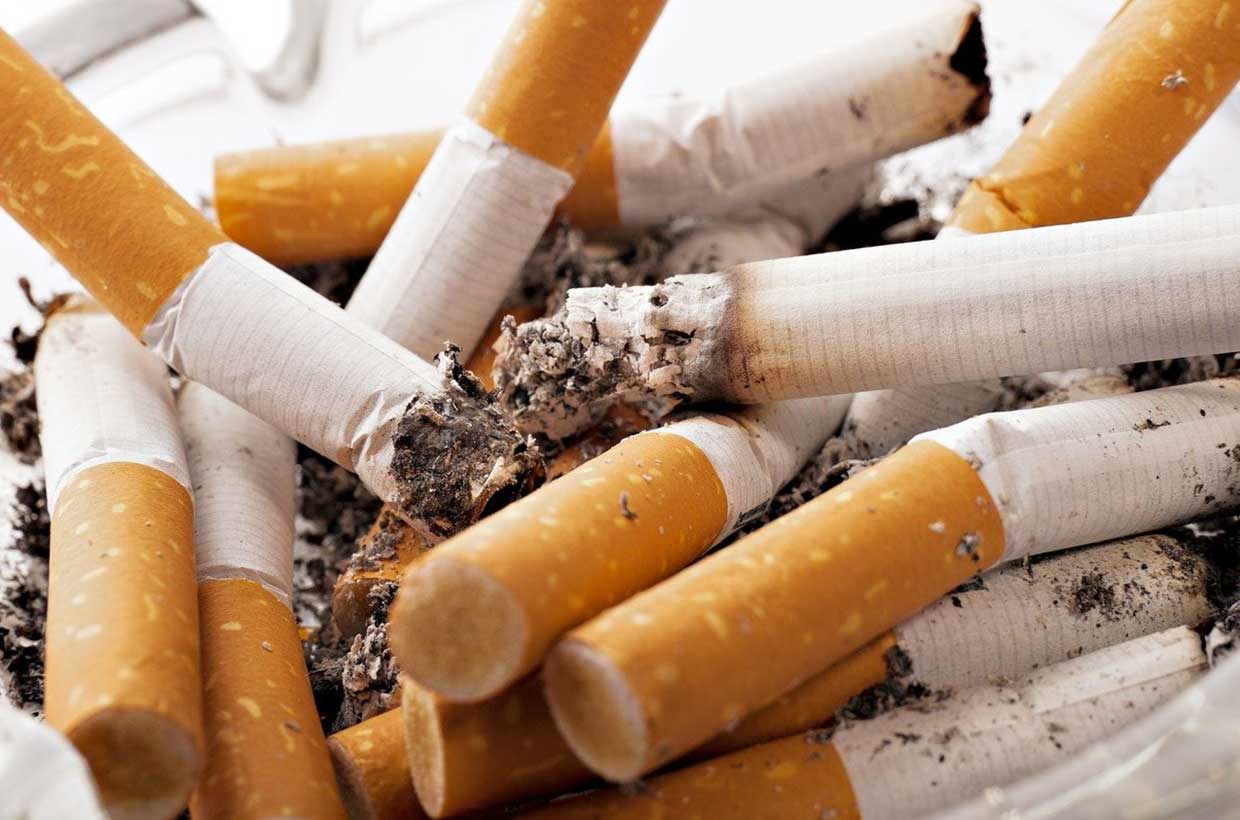
Stop smoking immediately. This is particularly important because tobacco smoke accelerates lung damage and also attacks the remaining protective protein alpha-1-antitrypsin. Caution: Passive smoking is also harmful to your health. as an alpha. The good news: Quitting smoking has significant benefits at any age. health benefits.
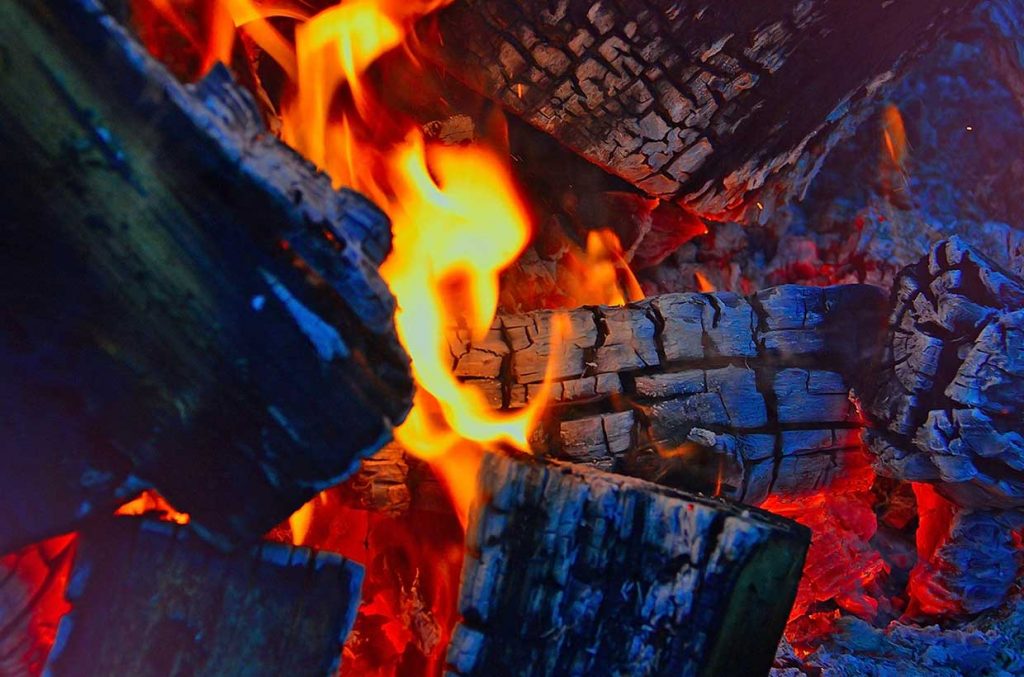
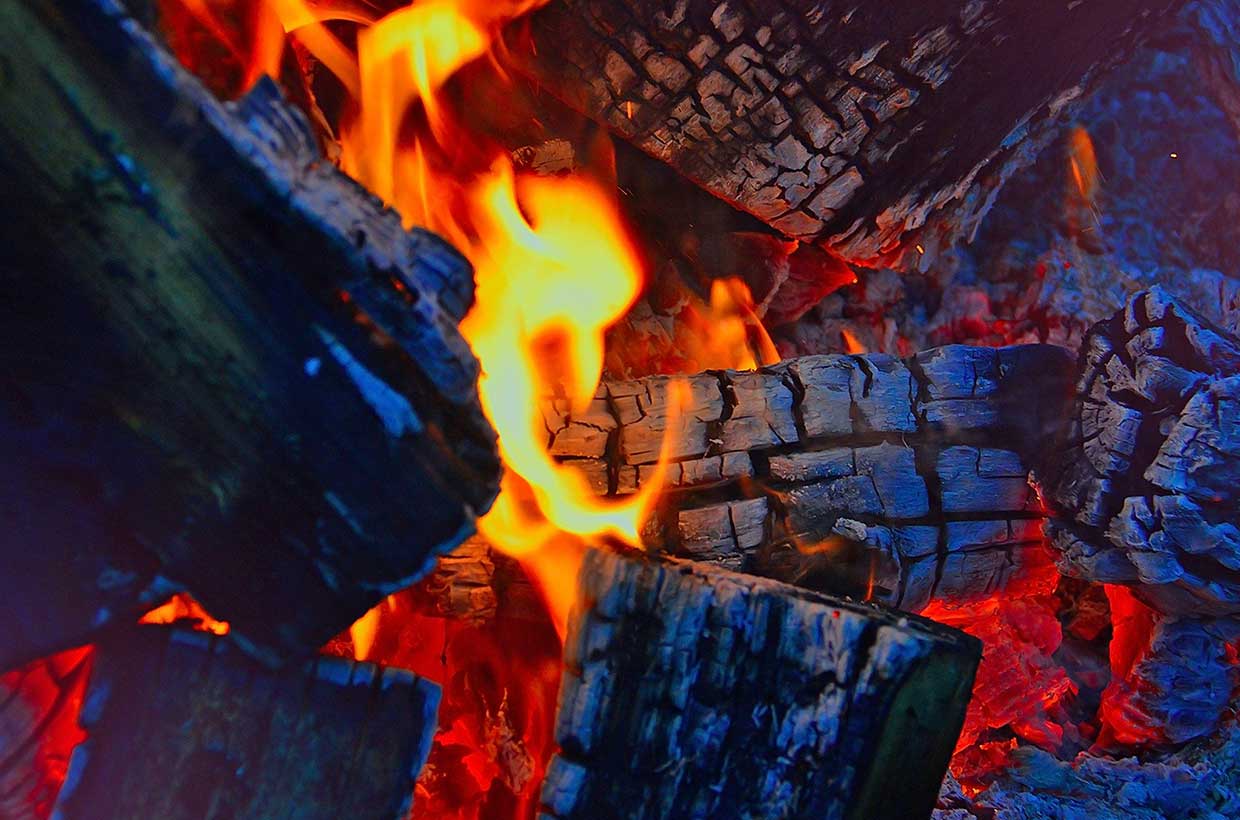
Avoid open fireplaces, campfires, or fireworks.This process produces harmful particles that can impair lung function and cause shortness of breath. If you use an oven, have its emissions checked regularly.
Some Professions Occupations such as painting, baking, confectionery, farming, welding, carpentry, hairdressing, and printing involve high levels of fine dust and sometimes harmful fumes. Therefore, you should avoid such professions if possible. Protect yourself with a respirator if you currently work in such a profession.
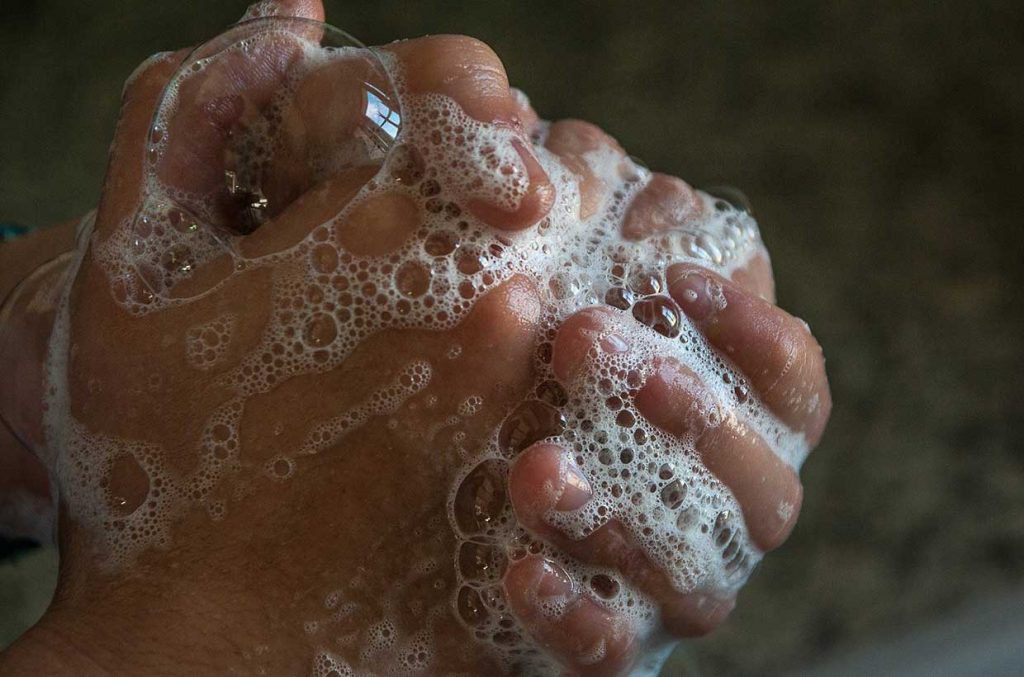
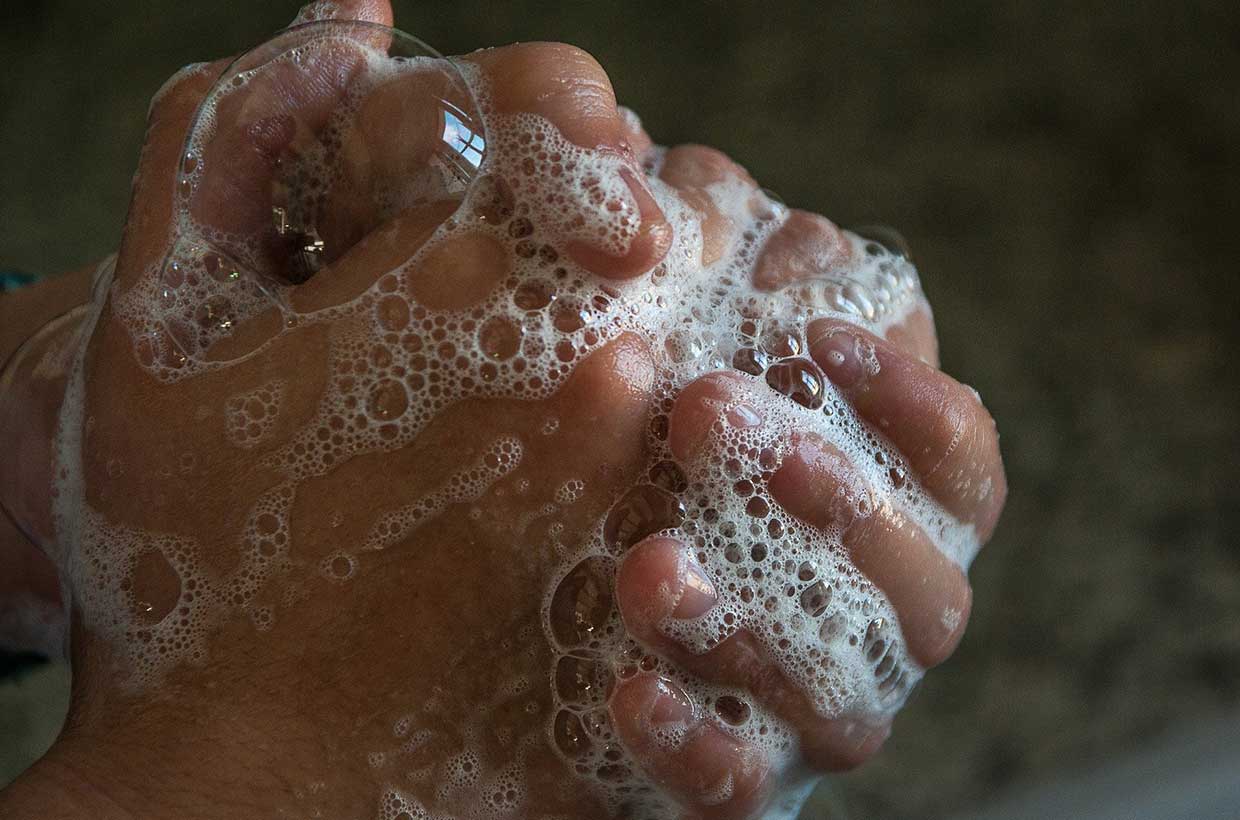
Wash your hands regularly., to protect yourself from infections, as infections can impair your lung function.
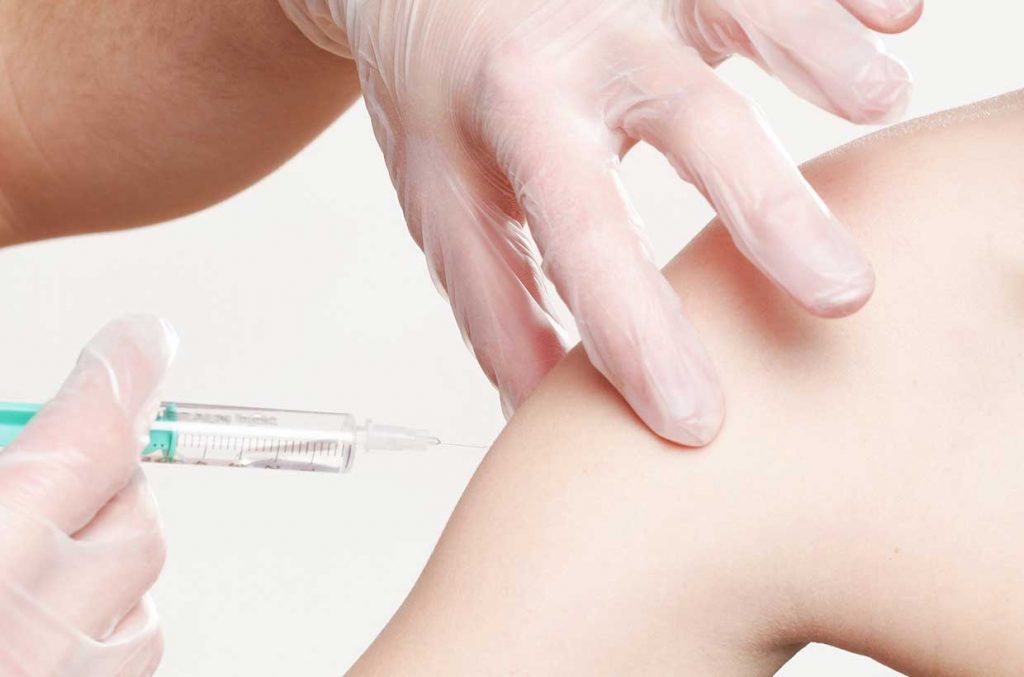
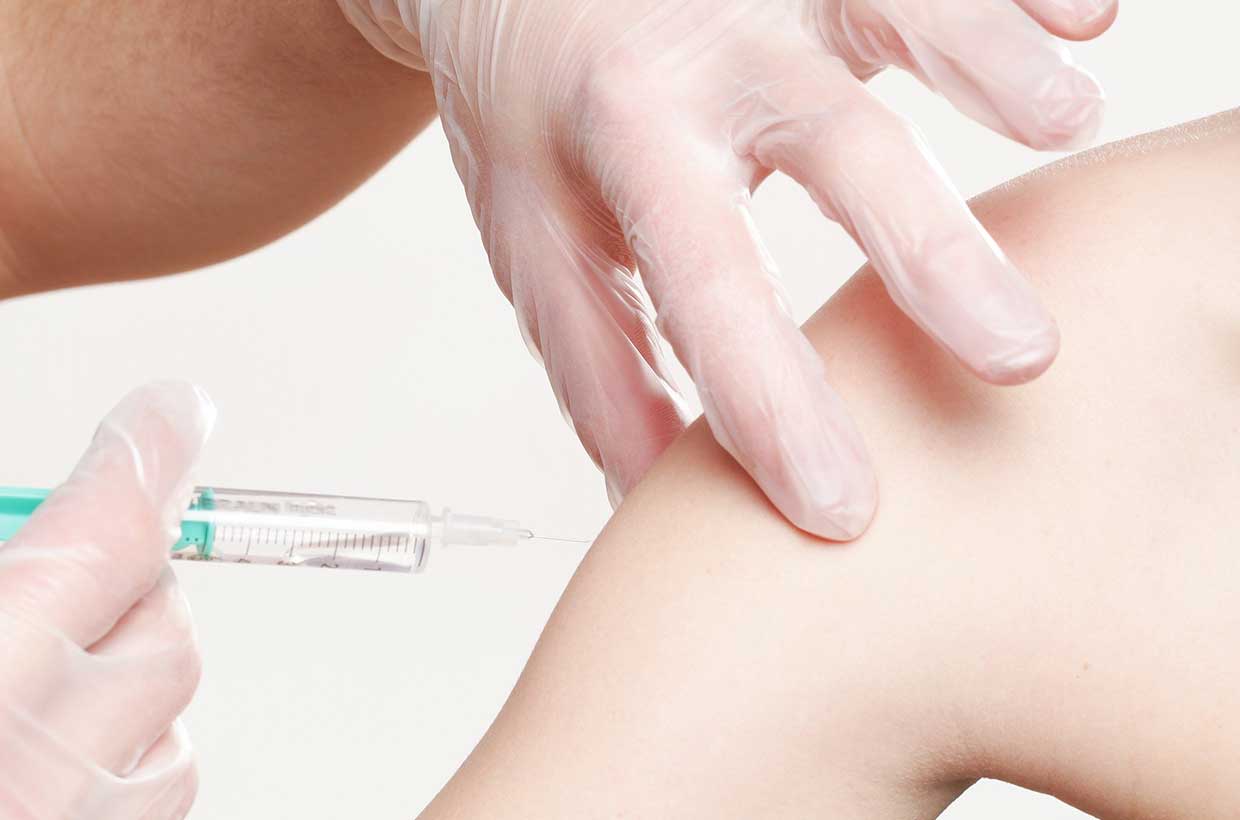
Get regularly vaccinated against influenza and pneumococcal disease.The flu vaccination should be renewed every year, as the new vaccine always protects against the current flu virus strains.
Avoid large crowds in winter, and especially people with colds.. Check with doctors or authorities in advance about times when there are fewer visitors.
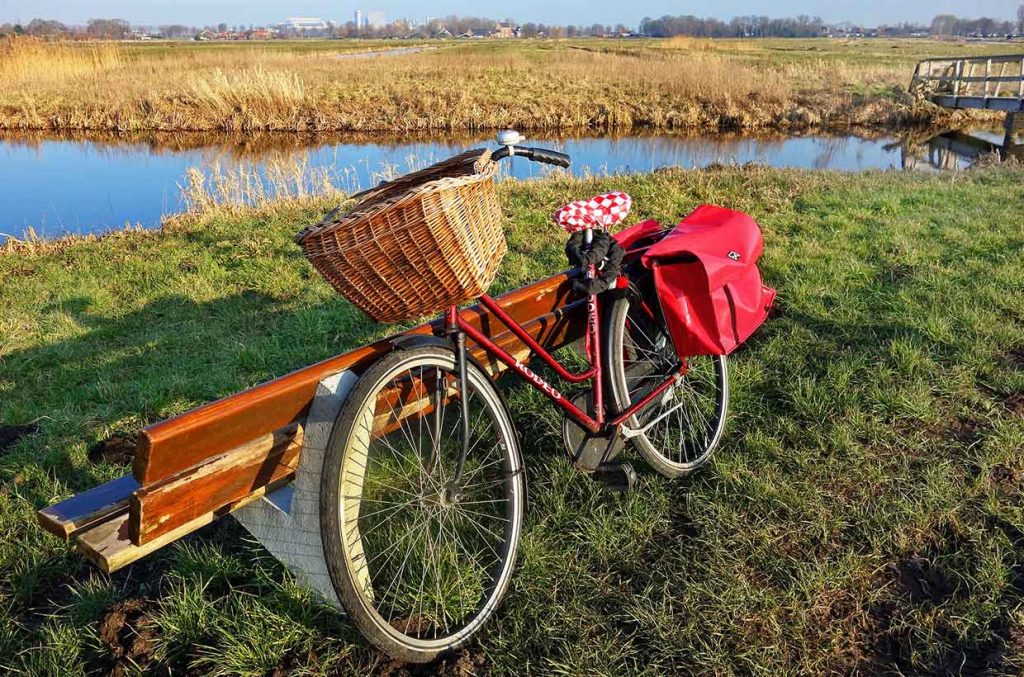
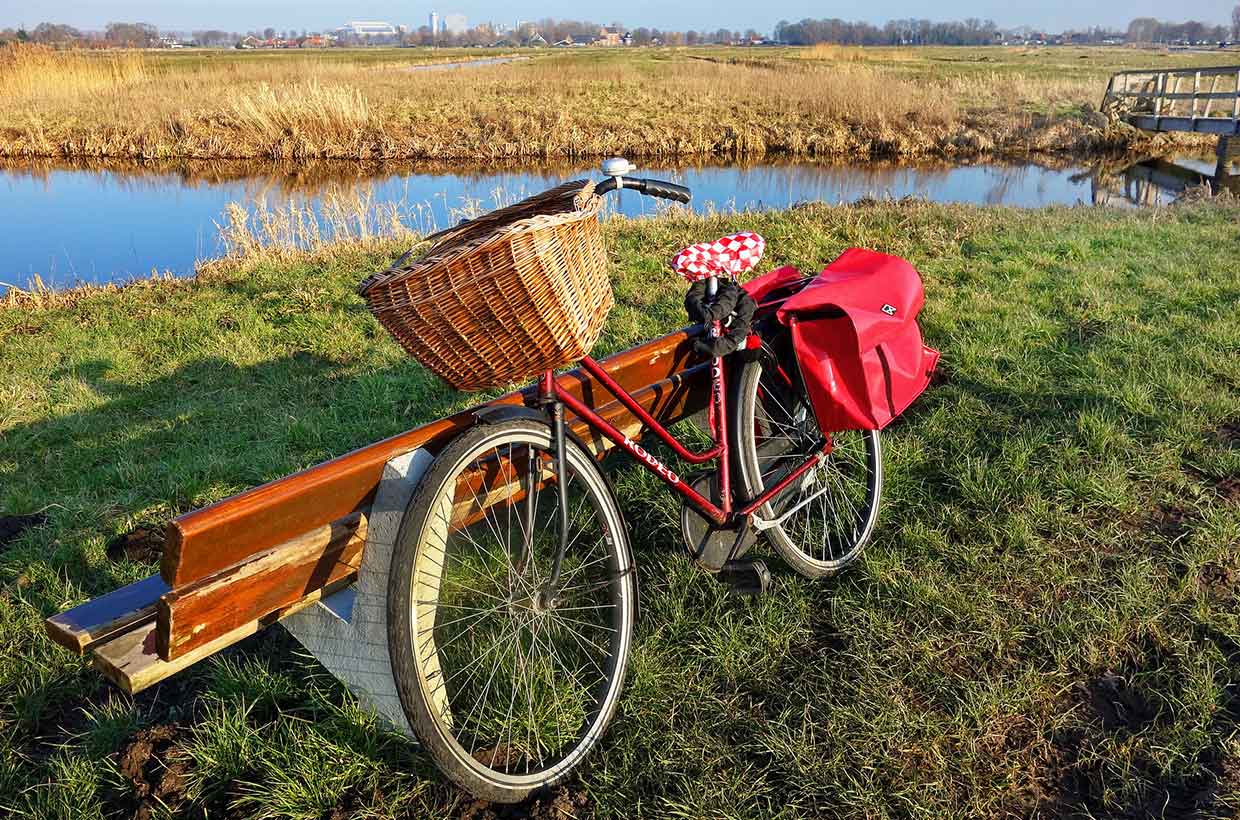
Sport can maintain and even improve your performanceand thus improve your quality of life. Important: Exercise regularly and gently, set realistic goals, and maintain a steady breathing rhythm. Ideal sports: hiking, cycling, or walking.
Inquire about so-called Pulmonary exercise groups in your region: There, targeted movement therapy and training is offered for respiratory and lung patients.
This is how you help your body conserve the energy reserves it needs. Fruits and vegetables are good sources of fiber and vitamins, but you shouldn't neglect protein and fat either.Eat a balanced and healthy diet.
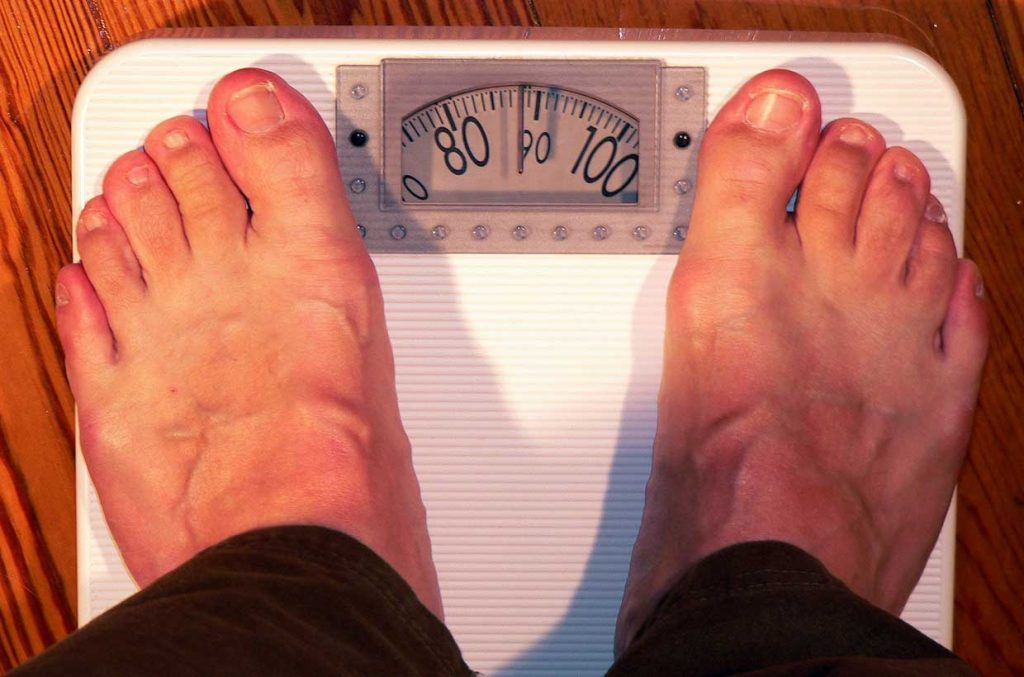
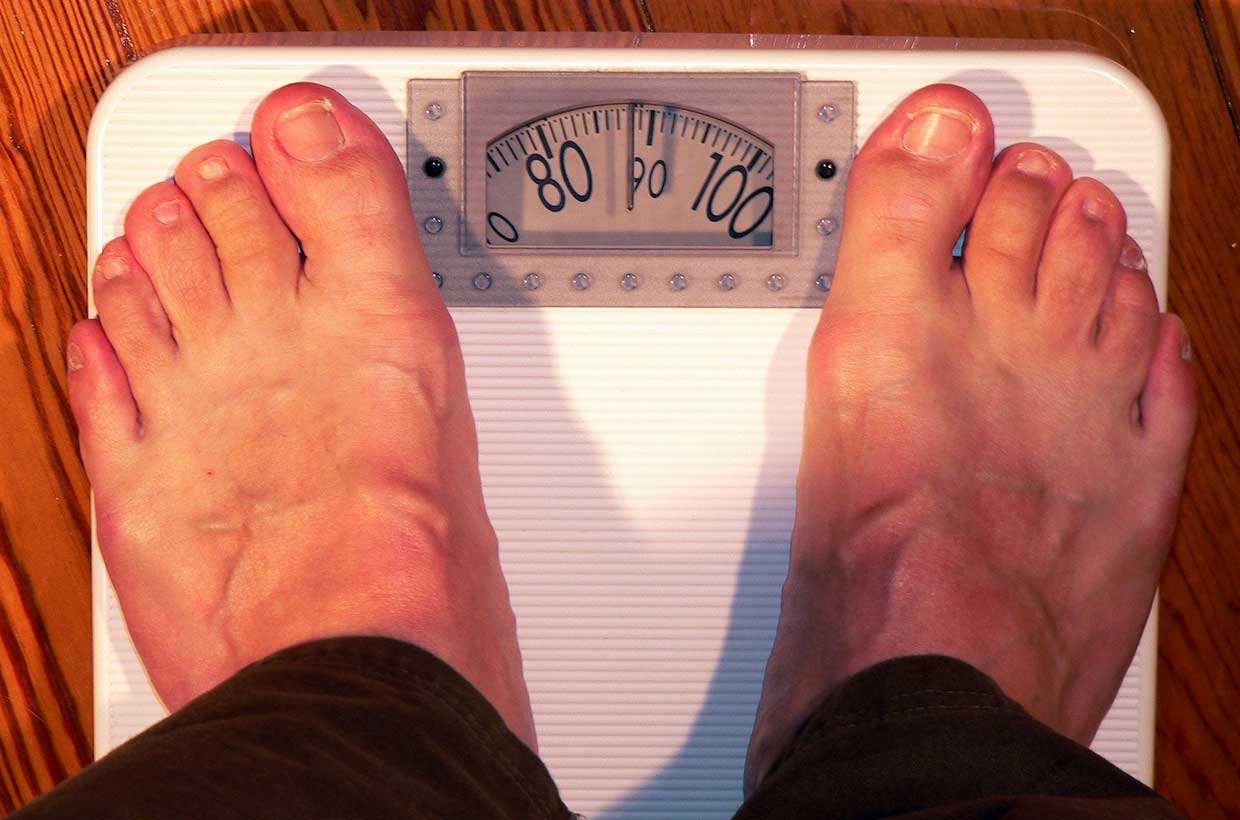
Let your pounds melt away.Among other things, being overweight makes breathing more difficult and puts a strain on the heart because more weight has to be carried. This results in increased oxygen consumption, which further burdens the lungs.
No crash diets: Being severely underweight weakens the body unnecessarily – and makes you more susceptible to respiratory infections and other illnesses.
Don't let yourself get stressed, because stress causes additional shortness of breath. Let your mind unwind during relaxation exercises. Find inner peace through autogenic training, progressive muscle relaxation, or yoga.
Stay mobile! If you want to travel: If you prefer a temperate climate, avoid the oxygen-depleted air at high altitudes. For Alphas traveling by air: Check with your doctor beforehand whether you will need supplemental oxygen during the flight. And if you need to bring your own oxygen, contact the airline in advance, as each airline has its own regulations regarding this.
”Our tips can help you better manage everyday life with alpha-1 antitrypsin deficiency.
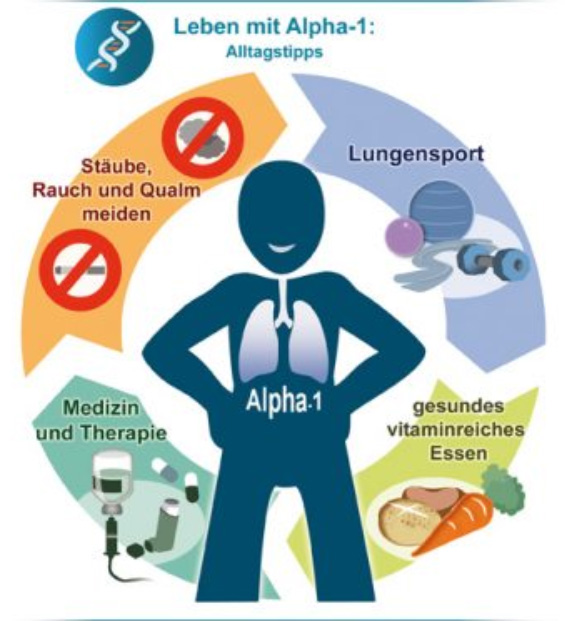
The most important tips for alpha-1 antitrypsin deficiency at a glance