
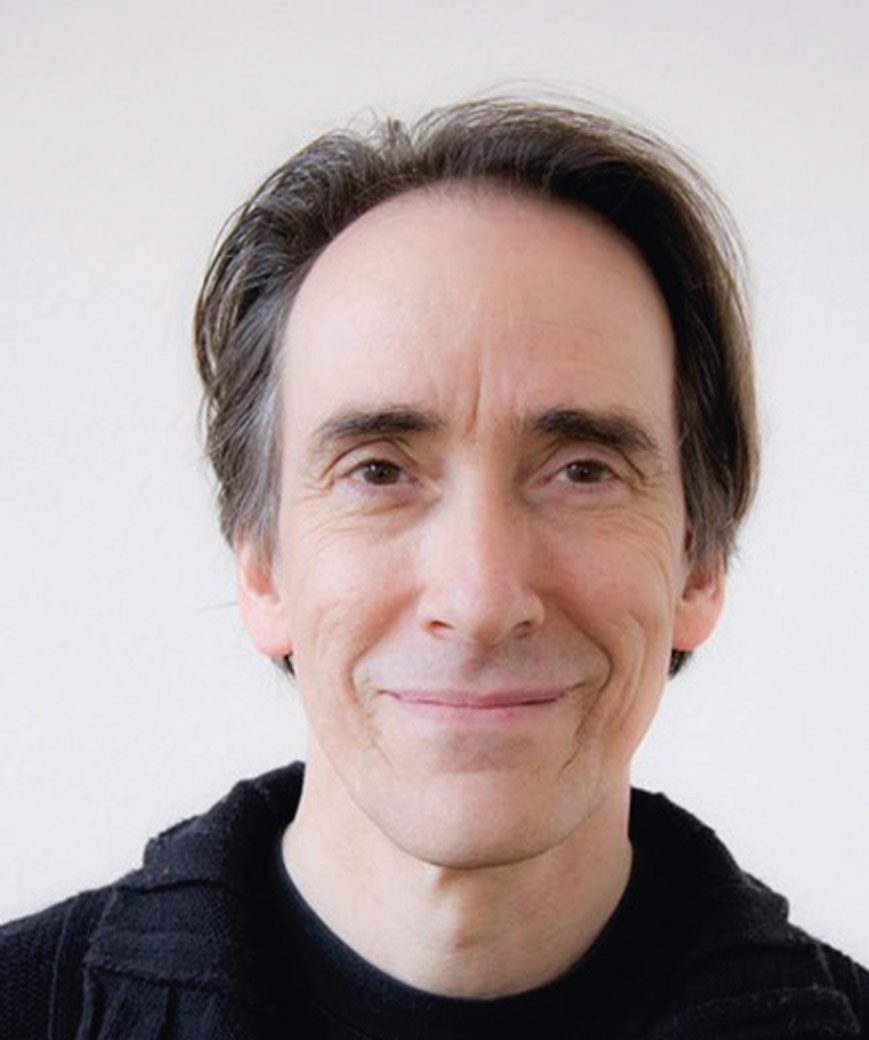
Director: Thomas Winckler
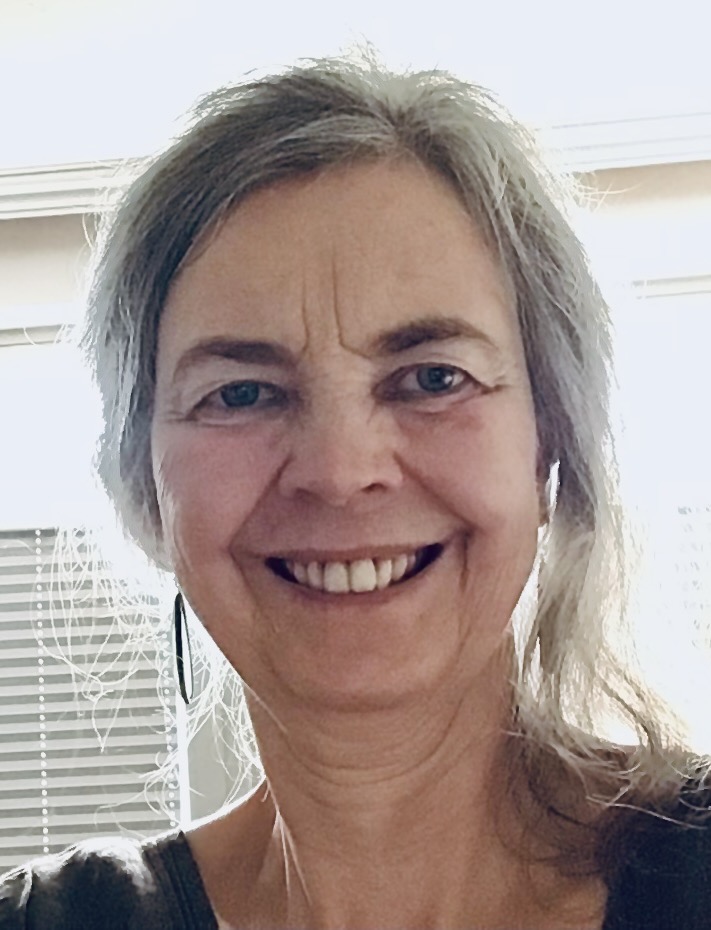
Deputy:
Elke Winckler

contact
E-mail: SHG.Leber@alpha1-deutschland.org
For details on upcoming SHG events, please refer to our [website/document/etc.]. Events calendar.
A new digital approach with the virtual liver support group
You can find out more about the virtual liver self-help group in the following interview with the new group leader of the liver self-help group, Thomas Winckler:
Linda Tietz: Hello Thomas, before I begin with my first questions, I would like to thank you on behalf of the board and the advisory council for your commitment to our patient organization! We are very pleased that you will be joining the Alpha1 Germany team as the new group leader of the Liver Self-Help Group and will be adding a new virtual highlight to our digital Alpha1 world. What exactly is planned? What is the origin of the idea, and how can our members practically envision it?
Thomas Winckler: Hello Linda, that's a lot of questions at once, which I'd be happy to answer one by one. But first, thank you for the trust you've placed in me. To say briefly what actually can't be said briefly:
- Alpha-1 antitrypsin deficiency (AATD) is a very specific form of liver disease. A crucial enzyme is not produced in sufficient quantities to perform its functions due to a genetic defect.
- AATM always originates in the liver, even if symptoms often manifest in the lungs.
- The liver is a highly complex organ with a multitude of functions for the body. The Liver Support Group aims to provide information and shed light on the often-unfamiliar aspects of the liver. We want to highlight therapies and studies and present new therapeutic approaches and practical tips.
Linda Tietz: How often will the virtual self-help group meet, and is a real-life meeting planned for the future?
Thomas Winckler: The challenge was to find a way to reach those affected nationwide. That's why the self-help group meets virtually twice a year. My goal is to make these meetings as engaging as possible, despite the virtual format. This means we gather questions and information, review studies, and speak with experts. This information and these tips are then shared online. Of course, there are also in-person meetings at the annual conferences. Everything else will develop organically.
Linda Tietz: That sounds very exciting! It's good to know that you'll also be a supporter and contact person for liver-related issues in the real Alpha1 world, whether at events, conferences, or in-person support group meetings. May I ask how you came to focus specifically on the liver? Are you also affected by AATM? What is your phenotype?
Thomas Winckler: I was diagnosed with Pi*ZZ in 2018. Before the diagnosis, I only had unusually high liver enzyme levels, which couldn't be explained. With the diagnosis
They were explainable. Before the diagnosis, I had shortness of breath during exertion; after the diagnosis, I had actual pulmonary emphysema. Since I originally came from a medical background...
As my profession developed, and I was trained and educated in matters of "illnesses," my interest grew in gaining more information and a deeper understanding of the issues that arise.
because it's happening in my liver and lungs. Why things happen the way they do, and of course, whether and what can be done to maintain quality of life or
to improve it even further. That, to be honest, is what drew me in. Through my contact with the University Hospital Aachen (UKA), and especially with Prof. Strnad and his team, I have the opportunity to meet with true experts in the field of liver and AATM and to receive sound information.
Linda Tietz: Have you personally had any experience with the studies on liver involvement in Alpha-1 disease patients conducted by the Aachen University Hospital since 2015?
Thomas Winckler: Yes, I have participated in studies at the UKA since 2018 and am currently in a phase II drug study for the treatment of liver fibrosis.
Linda Tietz: How did you first come into contact with our patient organization? And when was that?
Thomas Winckler: My wife advised me to join the Alpha1 Association, which she had found online, immediately after my diagnosis. She wanted to get information and support, meet other sufferers, and see how they cope with AATD. She wanted to learn what AATD does to you and what treatment options are available. And today I can only say that it was a good and right decision.
Linda Tietz: How do you live outside the virtual space and your work at Alpha1? Do you have time for a hobby?
Thomas Winckler: I work as a freelance psychotherapist and coach and give training courses for medical personnel, i.e. in hospitals, institutions
and care services. As a hobby, I have been making music for many years, both solo and in bands.
Linda Tietz: To conclude our conversation, would you tell me which goals and ideas are particularly important to you in your work with associations or self-help groups?
Thomas Winckler: I would be very pleased if we could offer information to AATM sufferers through the self-help group, which they could use to answer their own questions.
We want to support them and help them along the way. If we succeed in creating a vibrant foundation, a trusting environment, and even a bit of fun, then we're on the right track.
Linda Tietz: Thank you so much, dear Thomas, for this interesting interview with you!


