What is the purpose of oxygen therapy?
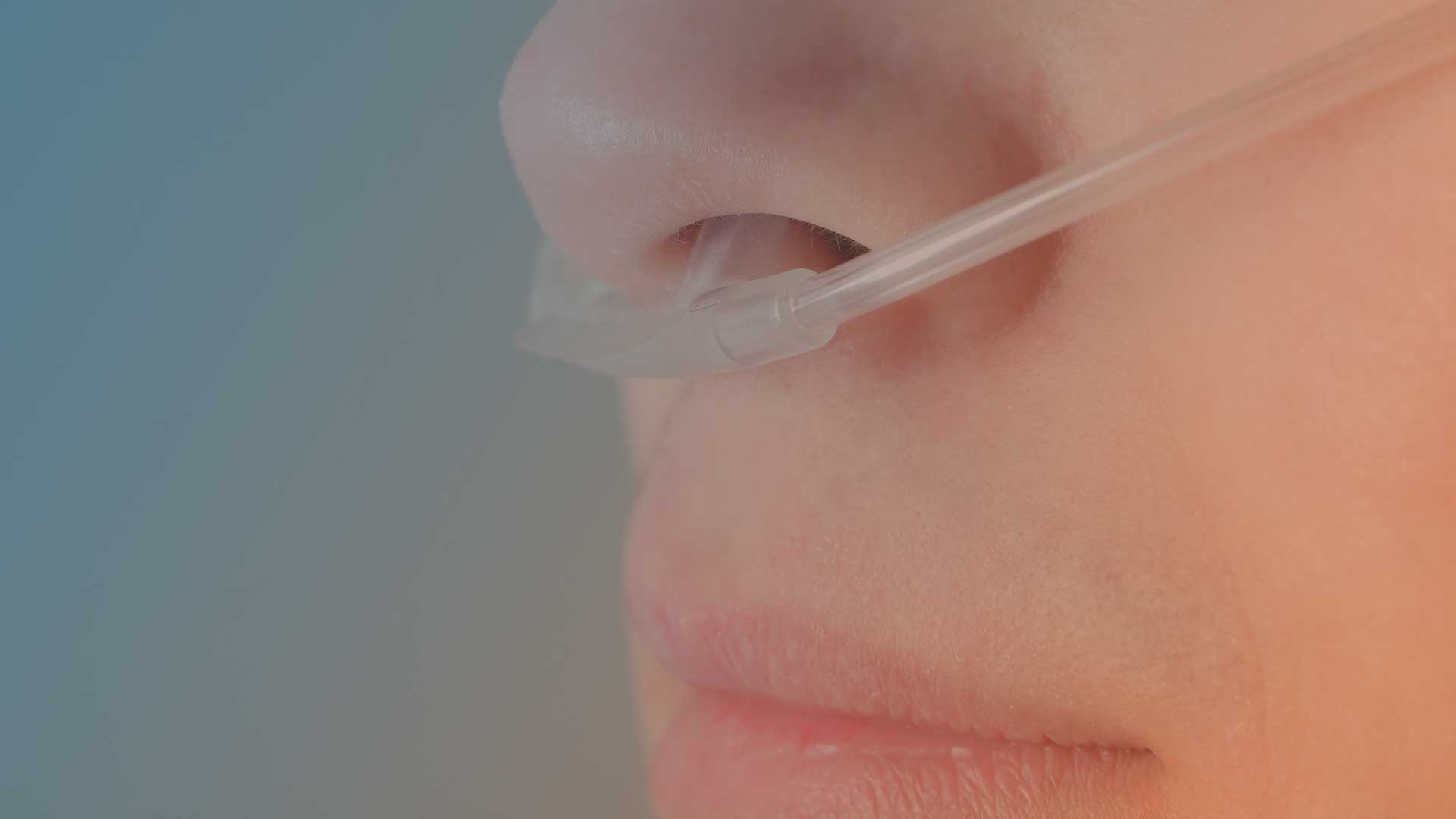
Oxygen therapy is used to increase the oxygen content in the blood when the body cannot absorb enough oxygen through normal breathing. This may be necessary in various health conditions, such as chronic obstructive pulmonary disease (COPD), pneumonia, heart failure, and alpha-1 antitrypsin deficiency.
The inadequate supply can be caused by respiration, the diffusion of oxygen from the lungs into the bloodstream, blood gas transport, or uptake in the consuming cells.
Under certain conditions, long-term oxygen therapy is prescribed to improve quality of life, physical and mental performance, and to reduce disease burden and mortality.
Oxygen therapy – when do I have to think about it?
Oxygen therapy should be considered if certain symptoms or diagnoses indicate insufficient oxygen supply. Typical signs include fatigue, exhaustion, and a decline in physical performance, often manifested by shortness of breath (dyspnea) and a low oxygen saturation level (SpO2).
The German Society for Pneumology and Respiratory Medicine (DGP) Oxygen therapy is recommended for patients with severe oxygen deficiency that does not improve despite optimal drug treatment of the underlying disease. A diagnostic criterion for this is an arterial partial pressure of oxygen (PaO2) that is at least 55 mmHg or below at rest during a stable four-week period. For patients with COPD and comorbidities such as cor pulmonale, the threshold is 60 mmHg. The arterial partial pressure of oxygen is determined by blood gas analysis, in which a blood sample is taken from an artery or the earlobe and analyzed using a machine. The result is available within minutes.
These patients should use oxygen for at least 16 hours a day (ideally 24 hours).
Another patient group comprises individuals whose oxygen levels only drop to low levels during exertion. These patients have the option of using supplemental oxygen only during physical activity.
News from the field of oxygen
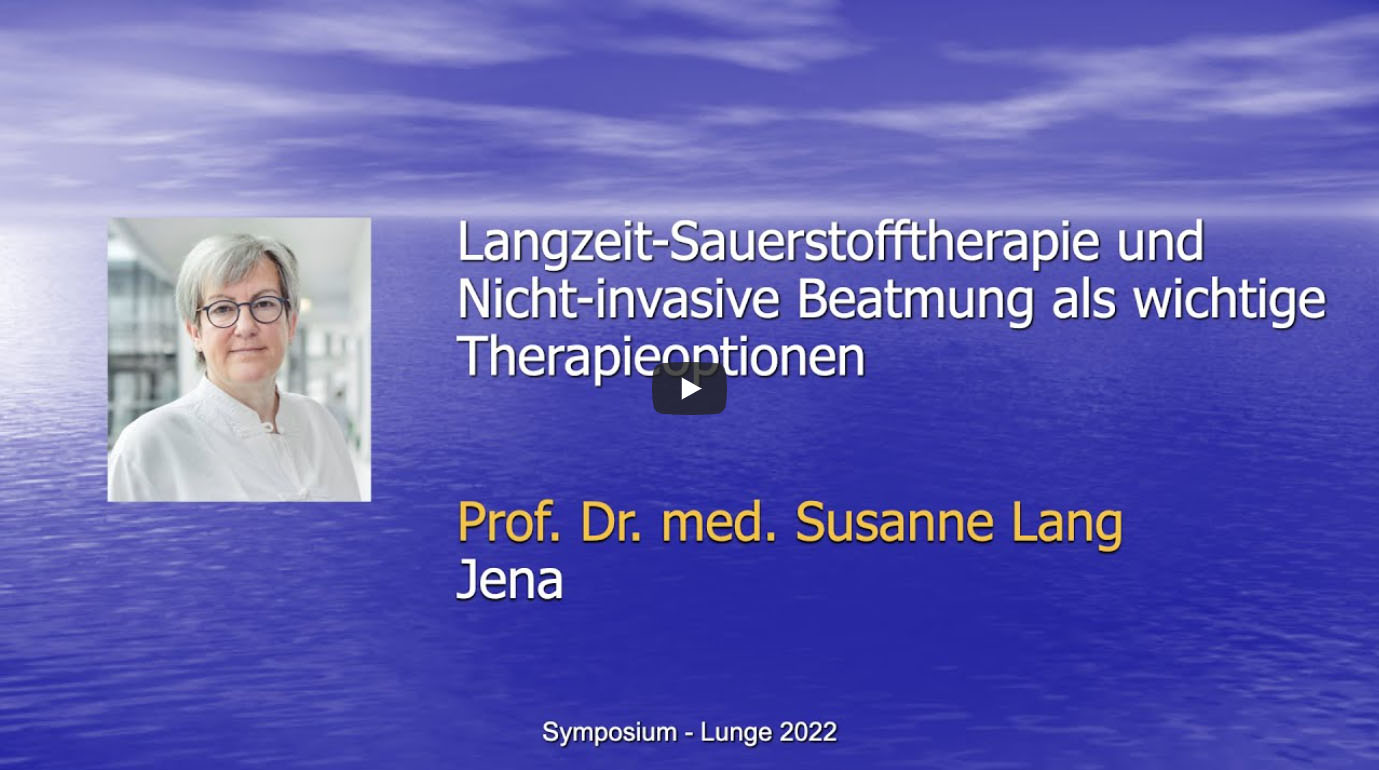
At the 14th Lung Symposium (organized by COPD-Deutschland eV), Prof. Dr. med. Susanne Lang gave a presentation on „Long-term oxygen therapy and non-invasive ventilation as important treatment options“.
The recording is very worthwhile and provides an excellent overview of why oxygen is important and what to pay attention to. Professor Lang also discusses the various devices and accessories. She also makes sure to explain the breathing pump to raise awareness of the potential need for oxygen therapy.
Below you will find the recording from the patient organization Lung Emphysema-COPD Germany: