Latest news on the topic of blood plasma
Below you will find interesting articles on the topic of blood plasma:
Below you will find interesting articles on the topic of blood plasma:


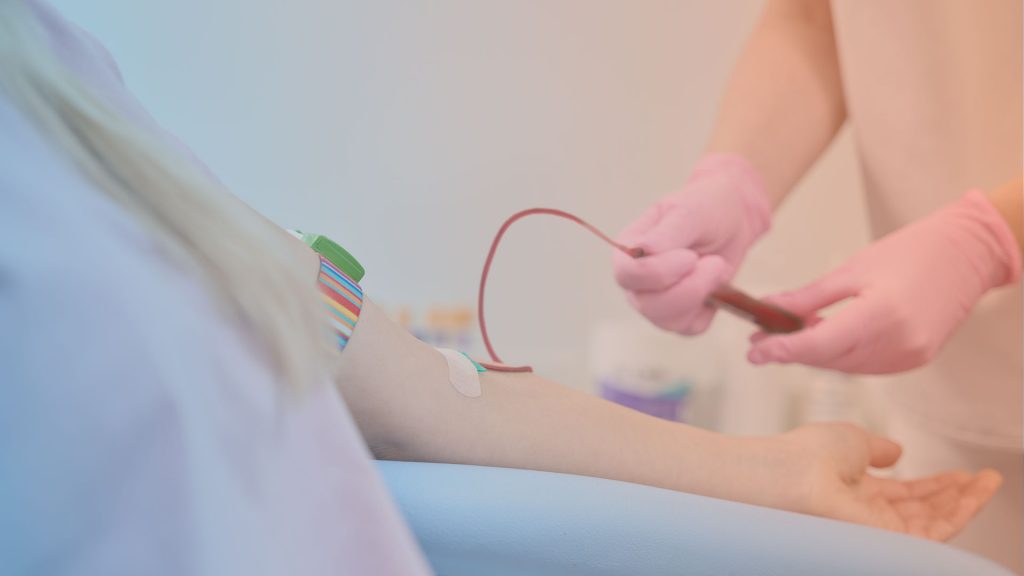
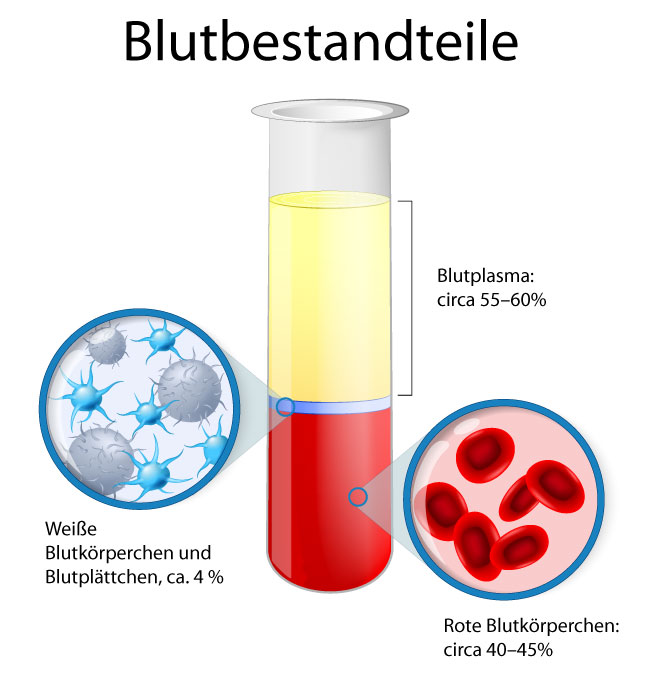
Blood is a mixture of liquid and solid components. The liquid component is blood plasma, which makes up more than half of our blood at around 55 percent. It consists of water, nutrients, hormones, minerals, and proteins, which together form a clear, slightly yellowish fluid.
The solid components form the blood cells. These include the red blood cells (Erythrocytes), the white blood cells (Leukocytes) as well as the platelets (plateletsDepending on height and weight, a person has a blood volume of four to six liters.
There are over 120 different plasma proteins that perform vital functions, such as blood clotting and immune defense. Alpha-1-antitrypsin is one of these proteins, playing an important role in inhibiting protein-digesting enzymes.
Blood proteins are primarily produced in liver cells. They make up approximately 8 percent of the plasma volume and can be divided into albumins and globulins. Albumin is the most abundant protein group and is responsible for transporting metabolic products such as sugars, fats, proteins, and hormones. It also plays a crucial role in regulating the body's fluid balance. Globulins can be further subdivided into four subgroups, which perform important functions in blood clotting, the immune response, and maintaining the blood's pH level.
Blood plasma also helps transport waste products such as pathogens and pollutants out of our body, including from our lungs. This is done by so-called proteases – enzymes that break down other proteins. However, since these enzymes attack both foreign and the body's own tissue, the body has special protective mechanisms. Alpha-1 antitrypsin performs one such protective function in the lungs. If a Alpha-1 antitrypsin deficiency In this case, there is a lack of this specific protein, which leads to long-term damage to the lung tissue by the proteases.
Blood is a valuable and, above all, vital resource that can only be produced by the body itself. Synthetic production of blood – and therefore also of plasma – is currently not possible. The only way to obtain plasma is through plasma donation.
Many patients depend on human blood and plasma donations. These are life-saving for transfusions, among other things, and also form the basis of numerous important medications. Such biological drugs help people with rare, chronic, or genetic diseases, who often depend on these preparations for their entire lives.
Besides people with an alpha-1 antitrypsin deficiency Plasma-derived medications are also vital for patients with immunodeficiency, coagulation disorders, or autoimmune diseases. Only through these medications, obtained from regular blood and plasma donations, can they lead a largely carefree life.
Furthermore, blood donations are needed for a wide range of other uses to save lives, including:
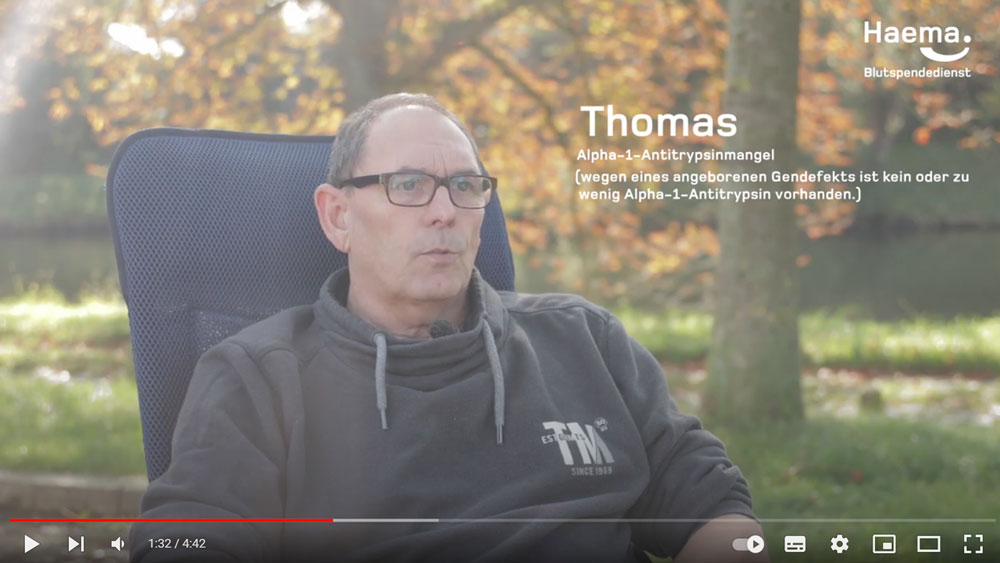
One of the key treatment options for individuals with alpha-1 antitrypsin deficiency is replacement therapy, in which alpha-1 antitrypsin derived from human blood plasma is administered. This requires voluntary plasma donations, which are then purified and processed. Patients receive the medication via infusion, thereby compensating for the deficiency of their own alpha-1 antitrypsin.
Numerous patients with alpha-1 lymphocytosis depend on this substitution therapy, as it can slow the destruction of lung tissue. However, these patients not only rely on the infusions but also on healthy individuals willing to donate blood plasma regularly. Because: To treat one Alpha-1 patient for a year, approximately 900 plasma donations are required..
A total of 8 million liters of donated blood are needed in the EU for the production of vital medicines – and the need continues to rise. Alpha1 Deutschland eV is committed to raising public awareness of this issue and highlighting the urgency of plasma donations.
For the plasma supply in Germany, we are still largely dependent on donations from the USA. For this reason, in 2020 we wrote a letter to the Federal Ministry of Health (BMG) demanding that the supply of plasma products for the entire German population be guaranteed domestically. Donation rates were particularly affected under pandemic conditions. In a reply, we received assurances that the BMG would take all possible measures to continue promoting and supporting the supply. The BMG also confirmed its intention to extend its public awareness campaigns on blood donation to include plasma donation.
Nevertheless, a stable supply situation must be ensured in the future to prevent shortages in crisis situations and to guarantee that the increasing demand is met.
To this end, we had together with the representatives of other plasma product recipientsn and the Federal Association of the Pharmaceutical Industry prepared a further statement and sent it on April 19, 2023 to Health Minister Lauterbach and the responsible department heads in the Federal Ministry of Health, see here.
However, since almost half a year has passed without a response, we no longer expect an answer, let alone the acceptance of our offer for a joint discussion.
Meanwhile, the goal of achieving EU self-sufficiency in blood plasma products faced an unexpected threat: EU bodies were working on a regulation concerning SoHO, or "Substances of Human Origin," which includes blood plasma. While this regulation's undoubtedly welcome aim is to increase the safety of donors and recipients of such substances, the draft version also contained passages that did not serve this goal and would hinder or even prevent the achievement of self-sufficiency. Based on our experience with statements and position papers, to which we often receive no response, we decided to file an EU petition for the first time to object to certain formulations in the SoHO regulation. This petition compelled at least the members of the EU Petitions Committee to address our demands. The SoHO regulation has since been adopted and entered into force, fortunately with wording that largely reflects the content of our petition.
And here is the link to the petition
Overall, the supply of blood plasma products in Europe has unfortunately still not improved, particularly because the gap between plasma product consumption and donations continues to widen. Added to this are political uncertainties regarding the reliability of imports from the USA. An alliance of industry and patient associations is therefore demanding, among other things:
A corresponding position paper, which Alpha1 Germany also helped to create, was published on May 7, 2025; you can download it here.
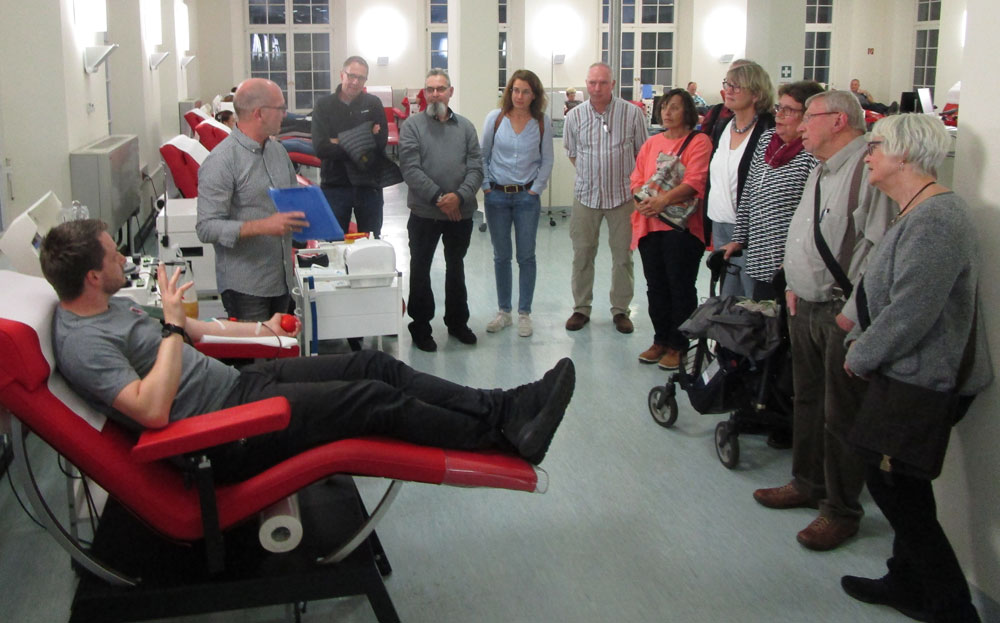
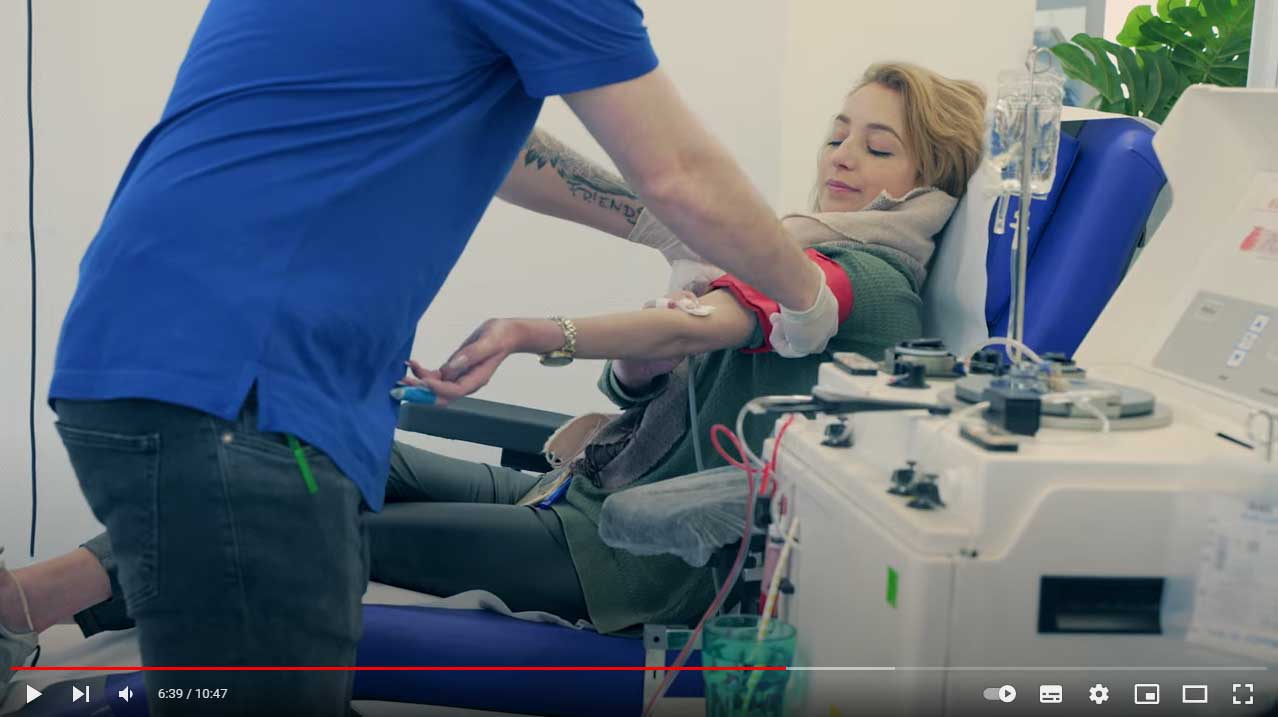
Alpha1 members are given an explanation of how a plasma donation works.
Plasma can be obtained from both whole blood and plasma donations. To be eligible to donate, individuals must be at least 18 years old, weigh over 50 kilograms, and generally be in good health. Additionally, certain criteria regarding pre-existing conditions, drug use, and blood values that could disqualify a donor are checked.
Before you can donate pure plasma, you must have donated whole blood at least once and tolerated that donation well. Unlike whole blood, plasma can be donated much more frequently: both women and men can donate plasma up to 60 times a year. At least three days must pass between each donation.
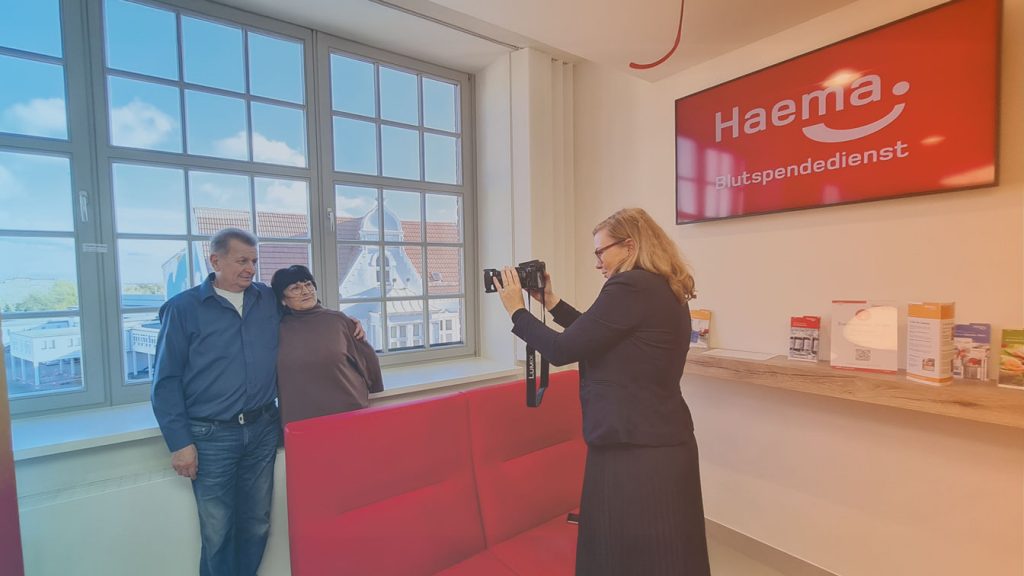
Detailed information is available. on the website of the Federal Centre for Health Education on the topic of blood donation or at our Cooperation partner Haema, with whom we have already carried out several campaigns on this topic.
Detailed information on plasma donation and plasma-based medications is available from the Plasma Protein Therapeutics Association (PPTA) Germany.