
Author
Malin Fromme and Prof. Pavel Strnad, Liver Center of the University Hospital Aachen
Liver disease in alpha-1 antitrypsin deficiency
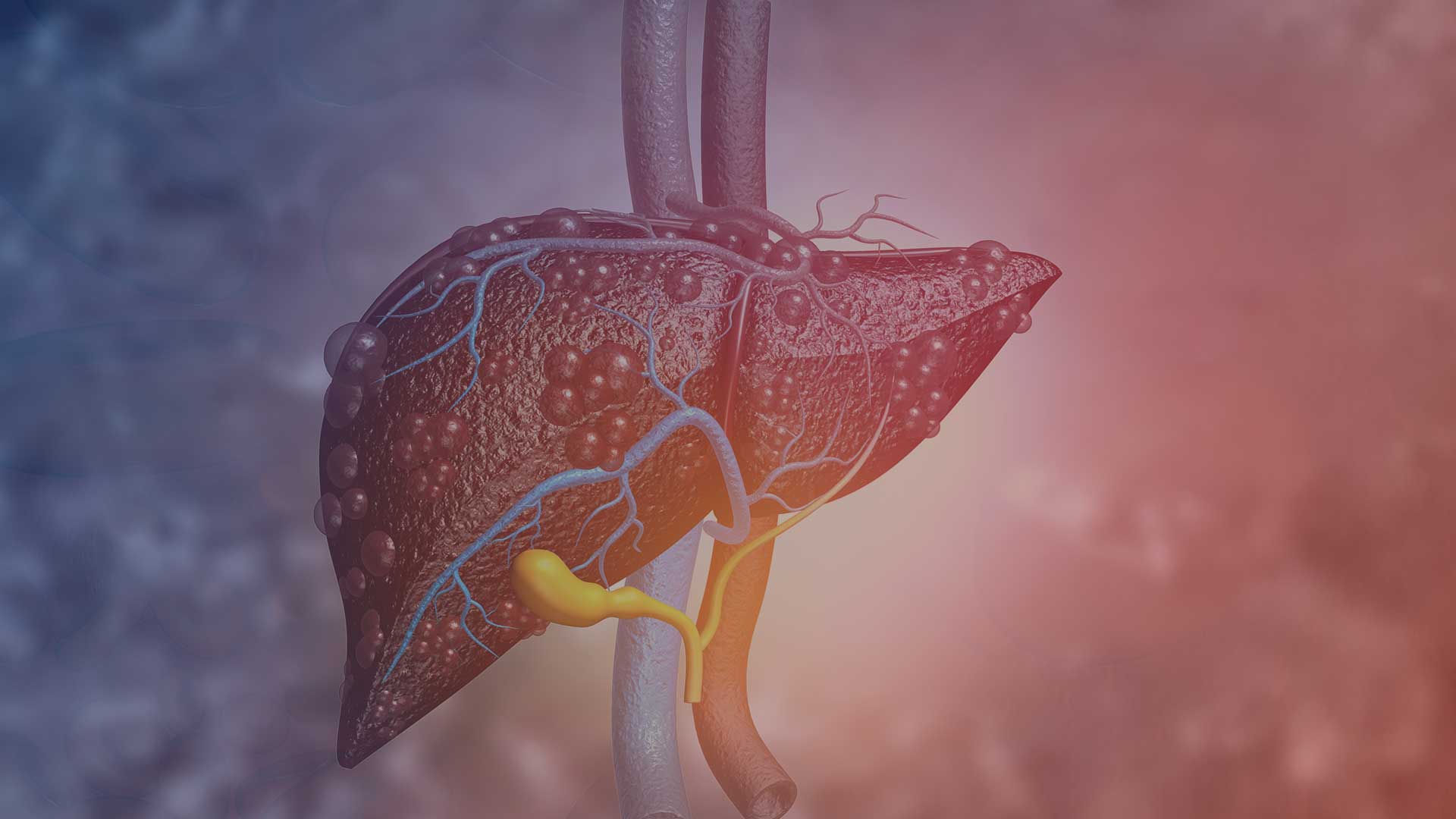
Alpha-1 antitrypsin (AAT) is a protein produced in liver cells (hepatocytes) and released into the bloodstream to combat tissue-digesting enzymes. In alpha-1 antitrypsin deficiency (AATD), the production of this protein is impaired, leading to an accumulation of AAT in the liver cells. This problem is particularly severe in Pi*ZZ individuals, as both copies of the protein are altered in their blood. Because this protein accumulation puts a strain on the liver, Pi*ZZ individuals are especially prone to scarring of the liver, known as liver fibrosis. Their risk of developing advanced liver fibrosis is up to 20 times higher. Those particularly susceptible include overweight individuals, people with diabetes mellitus, and individuals with repeatedly elevated liver enzyme levels or alcoholic or non-alcoholic fatty liver disease.
Now, with an siRNA drug, there is for the first time a real option to intervene in this vicious cycle of protein buildup and liver damage.
siRNA drugs and the liver
Protein production occurs in several steps. First, a working copy, called RNA, is created from the genetic information (DNA). This RNA is used to produce the respective protein. To prevent the reading of individual RNA molecules and the production of the corresponding proteins, so-called siRNA drugs have been developed in recent years. The first siRNA drug was approved in 2018, and there are currently four different drugs on the market. A key feature of the currently available siRNA drugs is that they are selectively absorbed into liver cells and act precisely there. For this reason, they appear to have relatively few side effects.
Phases of drug trials
New drugs undergo various phases of clinical trials before approval to ensure their safety and efficacy. In the preclinical phase, testing is conducted on cell cultures or in animal studies. Phase I of clinical trials involves administering the drug for the first time to a small number of healthy volunteers. This phase is followed by Phase II trials, which examine a small number of patients with specific conditions for whom a therapeutic effect is expected. This phase primarily serves to determine the optimal dose and monitor for side effects and potential toxicity. In Phase III clinical trials, the drug is tested in a larger group of patients to demonstrate efficacy compared to placebo or existing standard therapies. After market approval, drugs undergo further testing and monitoring in Phase IV trials.
siRNA for alpha-1-antitrypsin deficiency
The siRNA approach is also being pursued for the treatment of AAT₂TM₅-associated liver disease. Phase II trials are currently underway, in which the drug is being used for the first time in Pi*ZZ patients. The results from the first study, the ARO-AAT2002 trial, were recently presented at the American Liver Society Congress. A total of 16 Pi*ZZ patients were treated. The drug, called ARO-AAT, was administered by injection at the beginning of the study, at week four, and then every twelve weeks. A significant decrease in serum AAT levels was observed in all patients, averaging more than 80 mg/dL of %. Liver biopsies confirmed a similar reduction in the protein's accumulation in the liver. Correspondingly, liver function tests improved and were within the normal range for all patients at the end of the study. Despite the reduction in AAT levels, no clinically relevant changes in lung function were observed. Since the trials began in 2019, long-term safety data are not yet available.
However, the data led the American regulatory authority FDA to grant the product the coveted "breakthrough therapy designation." With this designation, the FDA demonstrates its willingness to support the clinical trial of the product with its expertise.
In addition to the ARO-AAT product from Arrowhead/Takeda, a second siRNA preparation for AATM, Belcesiran from Dicerna, is poised for launch. Access to this innovative therapeutic approach should therefore be secured in the coming months. We encourage all Pi*ZZ trial participants with known or suspected liver involvement to contact us to inquire about their current liver status and the possibility of participating in these studies.


