
Author
Heinz Stutzenberger, as appeared in Alpha1 Journal 1/2026.
As in the last reporting period, the first half of 2026 was also characterized by diverse activities of the Alpha-1 Europe Alliance (A1EA), of which only a very few can be mentioned here in focus.
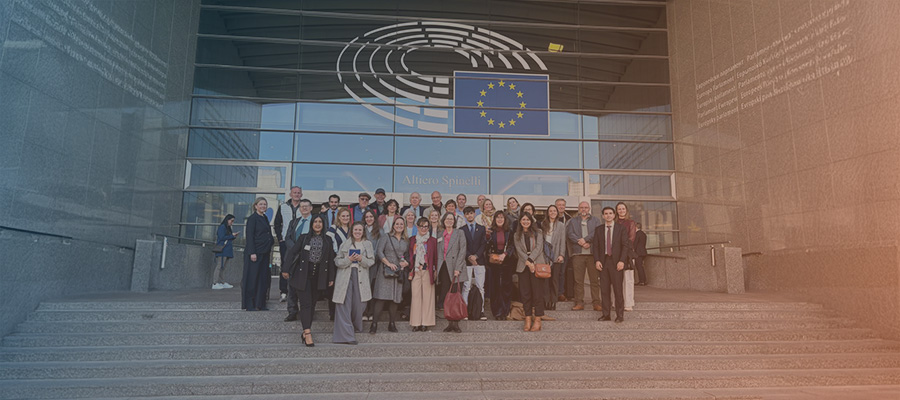
Considerable effort was invested in preparing and conducting the second meeting with Member of the European Parliament Olivier Chastel on April 22, 2026 (see the report in the Alpha1 Journal 02/2025), which this time was organized exclusively by the A1EA. The meeting focused primarily on the inequalities within Europe regarding access to augmentation therapy for Alpha-1 patients, which are particularly evident in Belgium: only patients diagnosed before 2010 receive this therapy. This is especially difficult for Belgian patients to understand, as there is a factory in the host's constituency that produces plasma-derived medications, including Alpha-1 antitrypsin. These inequalities were further highlighted in three agenda items:
- During a discussion round Bernd Dobbert from Alpha1 Germany (who has been receiving augmentation therapy for years) and Knut Skaar from Alfa-1 Norden (from Norway, where augmentation therapy is not available) were able to convincingly explain from a patient perspective what the differences in access to this therapy mean for them personally.
- Prof. Gerry McElvaney, the leading physician on the subject of AATM A highly respected expert in this field in Ireland and internationally, he impressively demonstrated, based on data from everyday healthcare practice, that a comparison of countries with and without augmentation therapy can result in a life expectancy of affected Alphas that is 6.9 years longer.
- Prof. Stephanie Everaerts, who works at the University Hospital in Leuven Caring for patients with Alpha-1 Antitrypsin Deficiency (AATD) made clear the despair that grips doctors by the knowledge that life-extending therapies exist in neighboring countries which they have to withhold from their own patients.
The
Speakers emphasized the need for Europe to
must become independent of plasma imports, also in order to
the long-term availability of plasma-based products
to ensure ...
The event was rounded off with presentations on the specific characteristics of plasma-derived medications and the availability of plasma as a starting material, of which Europe currently still has to import approximately 401 TP3T, primarily from the USA. Presentations were given by Marilena Vrana from PPTA (the association of manufacturers of plasma-derived medications), Alexander Kandt from Takeda, and Claudia Garcia Novellon from Grifols. The speakers emphasized the necessity for Europe to become independent of plasma imports, also to ensure the long-term availability of plasma-derived products, as required by the SoHO (substances of human origin) directive.
While the aforementioned event took place in the political heart of Europe, the Alliance was also active at the central European health institution, the European Medicines Agency (EMA). Its primary task is the approval of new medicines for all European countries. Crucial to this process is the establishment of the general framework for clinical trials, as well as the detailed specifications for conducting the trials for individual medicines. Given the large number of novel medicines under development for the AATM (Advanced Medicines Approval), it is therefore not surprising that the Alliance is striving for the greatest possible influence on behalf of patient organizations. For this reason, it has applied for registration as an "eligible organization" with the EMA. A prerequisite for this is the applicant's complete transparency regarding its sources of income, demonstrated through registration in the European Transparency Register.
This important milestone was reached in mid-March 2026. Following the submission and publication of additional management documents, only the publication of the 2025 financial data remains to complete the application process at the time of publication (Editor's note: Congratulations, as the Alliance has now been accepted as a qualified organization by the EMA).
Even before being recognized as a "qualified organization," there was already a positive collaboration between the EMA and A1EA: In April 2026, the Alliance was asked to nominate a patient who could contribute their perspective as an affected individual to the development of a new drug for AATD as part of a scientific consultation. Since this person must not have had any prior contact with other pharmaceutical companies, board members of the Alliance or national associations were not eligible. Through inquiries with the national associations, a German patient was eventually found who was suitable for this task and agreed to dedicate the necessary time. As the rest of the process is subject to strict confidentiality rules, further details cannot be disclosed.
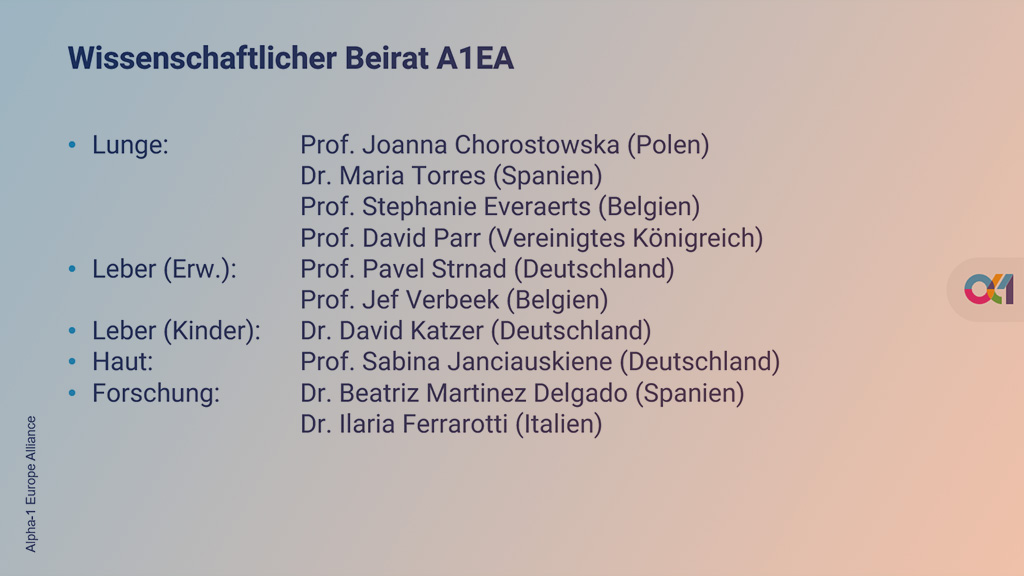
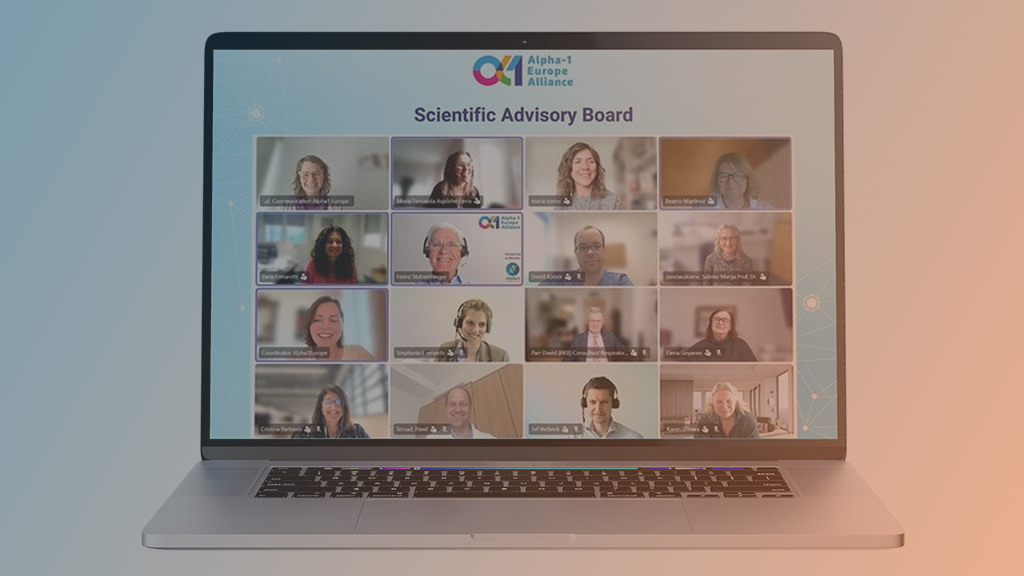
There were also several noteworthy events within the A1EA organization. In April 2026, a scientific advisory board was appointed to advise the alliance on medical and research-related matters. The composition of the advisory board is shown in Figure 2; Germany is prominently represented on this board with three specialists well-known to us (Prof. Sabina Janciauskiene, Prof. Pavel Strnad, and Dr. David Katzer). Figure 3 is a photograph from the virtual launch event for this board.
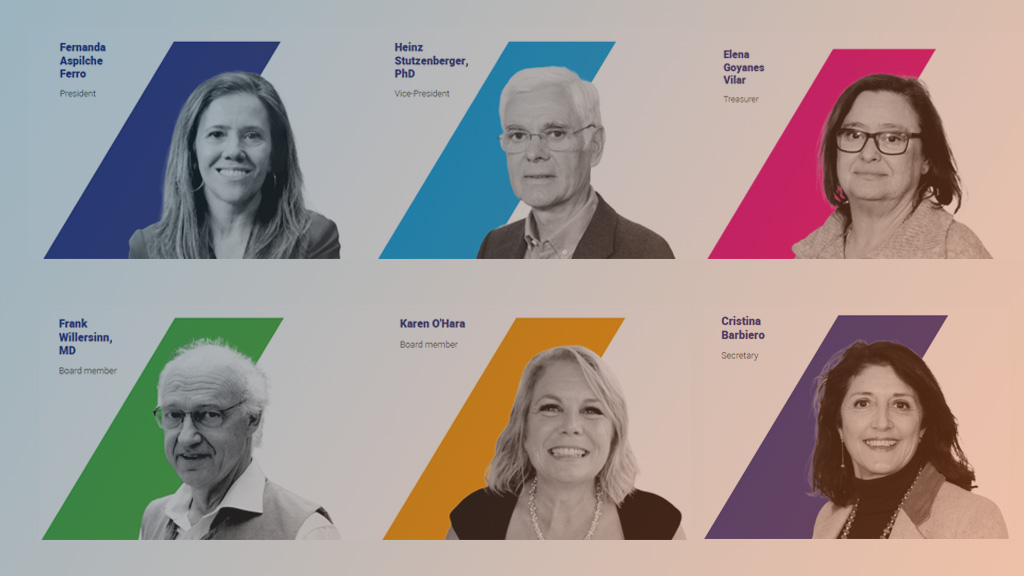
Finally, it should be mentioned that the A1EA board members decided to step down six months earlier than stipulated in the bylaws in order to synchronize future board elections with the annual general meetings. The election took place on April 18, 2026, in Warsaw, and all board members were unanimously re-elected, with a minor change in the position of secretary. The current composition of the board is shown in Figure 4.


