Healthy diet for alpha-1 antitrypsin deficiency

Below you will find the latest articles on the topic of nutrition:
Nutrition … essential substances and their effects

Nutrition … essential substances and their effects

September 8, 2025
Diverses Gemüse
Nutrition for Alpha-1 patients with tips for everyday life

Nutrition for Alpha-1 patients with tips for everyday life

August 23, 2018
Symbolbild: Vorsicht Wechselwirkungen bei Medikamenteneinnahme
Dangerous interactions

Dangerous interactions

December 2, 2017

Balanced diet for alpha-1 antitrypsin deficiency

For people with alpha-1 antitrypsin deficiency, a balanced diet is very important, as it is essential for healthy lung function. A healthy diet can positively influence lung function by improving muscle function and the impulses that activate breathing. It also strengthens the immune system.

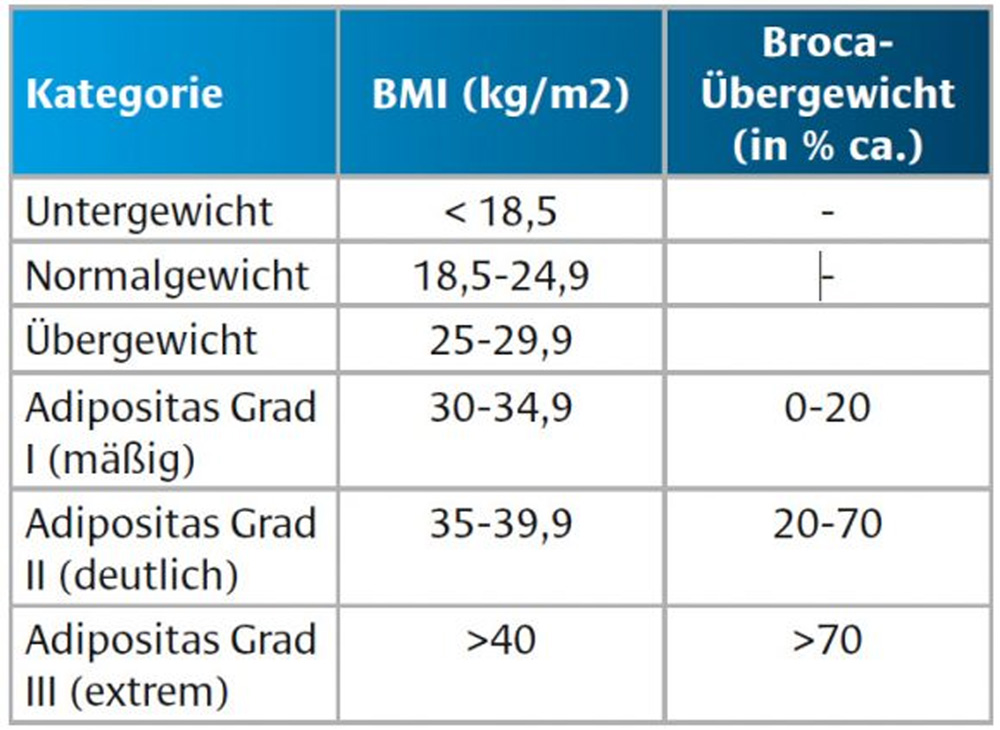
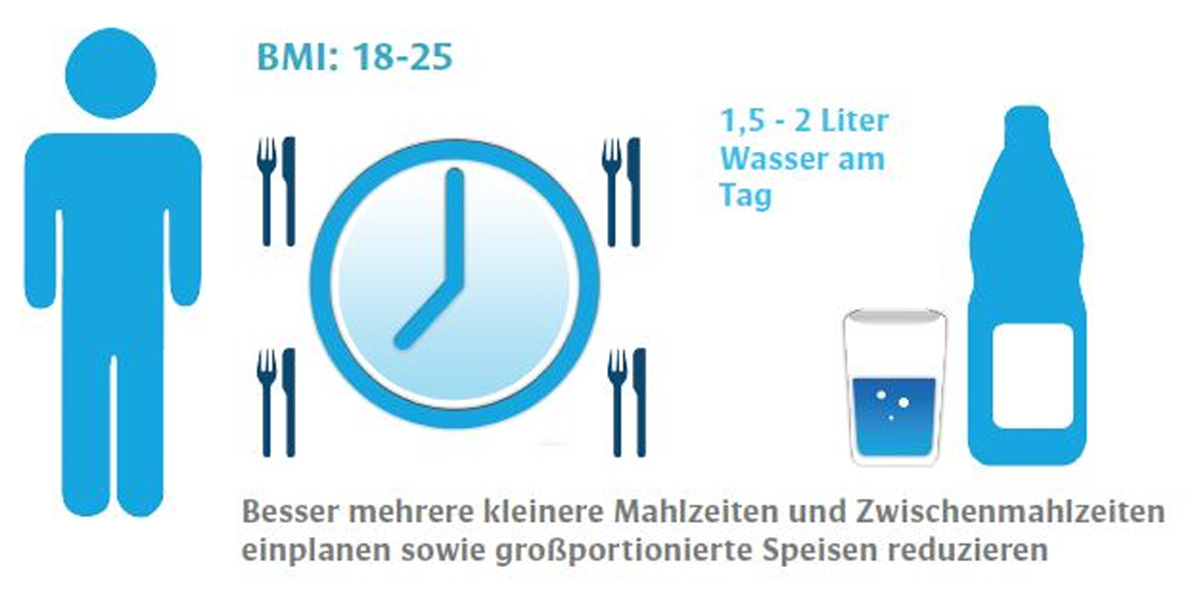
Energy intake, and therefore kilocalorie (kcal) intake, is crucial for alpha-1 antitrypsin deficiency. An alpha-1 antitrypsin deficiency patient should aim for a normal weight. Ideally, their body mass index (BMI) – the ratio between body weight and height – should be between 18 and 25. BMI is calculated as follows: body weight in kilograms divided by height in meters squared.

Patients with alpha-1 antitrypsin deficiency have a higher energy requirement for respiratory function. This requirement is approximately 500 to 600 kcal daily. In addition to meeting their energy needs, it is also important to ensure an adequate intake of nutrients – especially the three main nutrients: protein, fat, and carbohydrates. Protein is a crucial building block for the human body. Alpha-1 antitrypsin deficiency patients have a higher protein requirement (for muscle building). The energy requirement of an alpha-1 antitrypsin deficiency patient is 1.5 g of protein per kg of body weight per day, which is approximately 20 percent of their total energy intake.

Animal and plant protein sources

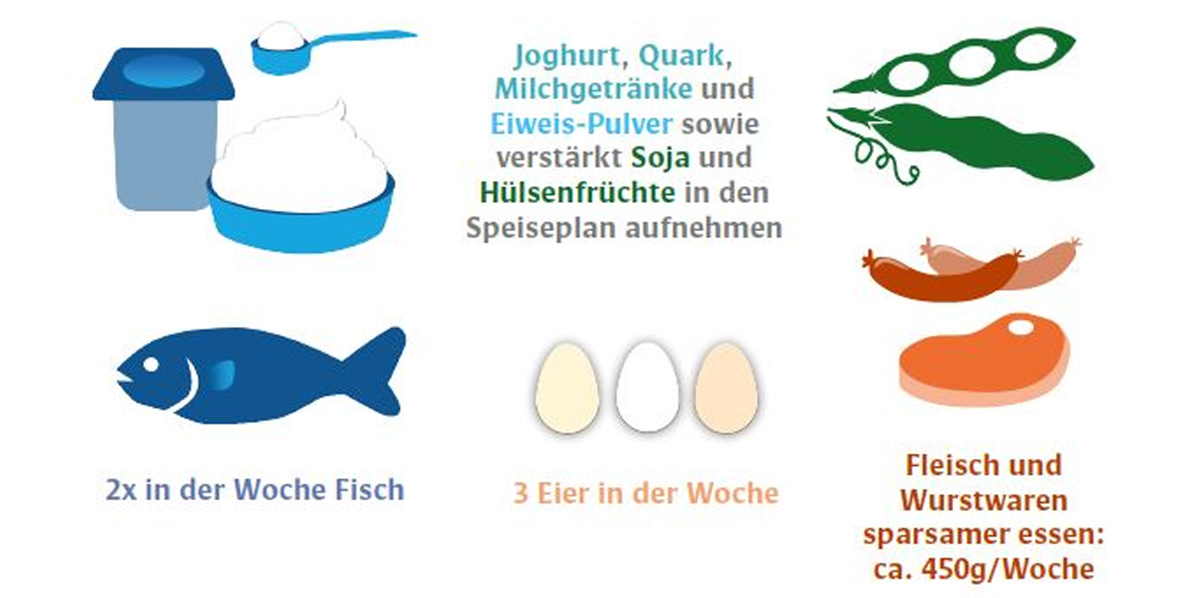
Foods like meat, fish, eggs, and dairy products are animal protein sources. Legumes and soy, on the other hand, provide high-quality plant protein. Food combinations, such as potatoes with eggs or dairy products, or grains combined with eggs or dairy products, increase the protein quality. Since patients with alpha-1 antitrypsin deficiency are often unable to eat large meals, it is advisable to meet their calorie and nutrient needs through several small meals. A quark dish, yogurt, or a milkshake, for example, are healthy snacks. If needed, foods can also be enriched with protein powders. These can be stirred into soups or sauces, for instance.

Patients with alpha-1 antitrypsin deficiency can improve their respiratory function by paying attention to the respiratory quotient. This means consuming fewer carbohydrates and more healthy fats. Alpha-1 antitrypsin deficiency patients should only obtain 40 percent of their total energy from carbohydrates. Suitable sources include finely ground whole-grain products, two portions of fruit, and three portions of vegetables per day. A portion size should roughly fit in the palm of your hand. Sweets such as gummy bears, chocolate, cakes, pastries, or sugary drinks like cola and lemonade are permitted in small quantities.
Healthy fats with plenty of omega-3 fatty acids

The remaining 40 percent of total energy is available from fat, with a preference given to healthy fats rich in omega-3 fatty acids. These include, for example, olive, rapeseed, soybean, flaxseed, and walnut oil. Also recommended are fish such as salmon, herring, mackerel, tuna, and sardines, as well as nuts, such as walnuts, cashews, and macadamia nuts. Meat and sausage should be consumed in amounts no more than 300 to 600 grams per week. Fish should be on the menu twice a week. Three eggs per week are acceptable.

It is recommended to drink 1.5 to 2 liters of fluids per day, as excessive fluid intake can strain the lungs. Low phosphorus levels are harmful to the lungs. However, if the recommendations for meat/sausages, dairy products, whole grains, and nuts are followed, there is no risk.

Alpha-1 patients who are not taking immunosuppressants can strengthen their immune system by consuming fiber-rich and omega-3-rich foods, fermented dairy products, fresh herbs, spices, green tea or ginger tea, and by exercising.

Guest article by Annette Müller, dietician, nutrition specialist in allergology

What effect does an alpha-1 antitrypsin deficiency have on the liver, and what consequences does this have for your diet?

Alpha-1 antitrypsin is a protein produced in the liver that protects the body (especially the lungs) from endogenous enzymes that trigger inflammatory processes. Small changes in the structure of alpha-1 antitrypsin, such as those that occur in alpha-1 antitrypsin deficiency, prevent the release of alpha-1 antitrypsin from the liver into the bloodstream. This leads to an accumulation of the structurally altered alpha-1 antitrypsin in the liver, which can cause severe liver damage, potentially even cirrhosis or the formation of liver tumors. Liver diseases such as cirrhosis, liver failure, or liver cancer are the second leading cause of death in alpha-1 antitrypsin deficiency.

In cases of liver disease with an unclear cause, testing for alpha-1 antitrypsin deficiency should always be considered. This is especially important if the family history includes liver or lung disease, possibly even alpha-1 antitrypsin deficiency, if the patient is younger than 45 years old, is an active smoker, or is exposed to pollutants.

Individuals with alpha-1 antitrypsin deficiency are advised to participate in regular check-ups that can detect liver changes. Abnormal liver function tests, such as ALT, AST, Gamma GT, ALP, jaundice, and liver enlargement, require further investigation.

One healthy eating, A diet that strengthens the immune system and is rich in vitamins (vitamin A, vitamin D, vitamin C), avoiding being overweight or underweight, and consuming little or no alcohol are factors that should be implemented from a nutritional therapy perspective. Attention should be paid to the intake of magnesium (grains, nuts, and legumes), the trace elements zinc (fish, cheese, grains), selenium (fish, barley), and folic acid (liver, kidneys, peanuts, sunflower seeds). The German Nutrition Society (DGE) defines a healthy diet using 10 rules. The nutritional recommendations for patients with alpha-1 antitrypsin deficiency are also based on these 10 rules. However, compared to healthy individuals, patients with alpha-1 antitrypsin deficiency should consume more protein (specifically 20%), more healthy fats (40%), and fewer carbohydrates (30%) as part of their total energy needs.

10 rules

1

Enjoy the variety of food

Use regional and seasonal foods, as natural as possible. Opt primarily for plant-based foods.
2

Plenty of grain products and potatoes

Whole grains, such as pasta, bread, flakes, groats, and semolina, provide many vitamins, minerals, fiber (required daily intake: 30-40g), and phytochemicals. A high fiber intake reduces the risk of many diet-related diseases, such as obesity, diabetes, and high cholesterol. They strengthen the immune system and, when combined with milk/dairy products or eggs, are excellent sources of protein.
3

Vegetables and fruit - eat 5 a day

Enjoy five portions of fruit and vegetables a day. One portion is the amount that fits in your hand. Fruit contains a lot of fructose, a carbohydrate that not only provides many calories but also increases CO2 production in the liver, making breathing more difficult. Therefore, only two portions of fruit and three portions of vegetables, fresh or frozen, are recommended. Fruit and vegetables provide you with plenty of vitamins, minerals, fiber, and phytochemicals. They can enrich your diet in a healthy, colorful, and varied way – as raw vegetables, in salads, as warm, lightly cooked side dishes, and in many other ways. Legumes such as lentils, beans, corn, and soy are ideal plant-based sources of protein and magnesium.
4

Milk and dairy products daily, fish once or twice a week, meat, sausages and eggs in moderation.

The recommended intake of meat and sausage products is 300-600g per week, with white meat being considered more beneficial than red meat. Meat is a good source of vitamins B1, B6, and B12 (which are essential for oxygen transport). Fish, especially saltwater fish, are good sources of iodine, selenium, and omega-3 fatty acids. Omega-3 fatty acids strengthen the cardiovascular and immune systems. Salmon, herring, mackerel, tuna, and sardines are particularly beneficial. Milk and dairy products are especially rich in calcium and vitamin D (which is also produced in the skin when exposed to sunlight). Milk and dairy products can be an excellent source of protein in the form of desserts or snacks.
5

Less fat and fewer high-fat foods

This recommendation applies to healthy individuals. For patients with alpha-1 antitrypsin deficiency, a higher intake of fat, and specifically more healthy fats, is recommended. Healthy fats include plant-based fats, which contain many fat-soluble vitamins (A, D, E, K), essential fatty acids such as omega-3 fatty acids, and are rich in calories. Rapeseed, soybean, flaxseed, hemp, and walnut oils are rich in omega-3 fatty acids. Nuts such as walnuts, macadamia nuts, and cashews also provide ample omega-3 fatty acids. Saturated fatty acids, found primarily in animal fats, increase the risk of lipid metabolism disorders and, consequently, the risk of cardiovascular disease. Therefore, use animal fats sparingly and limit your consumption of fast food and processed foods. Pay attention to your daily meat and sausage intake and your consumption of sweets and pastries.
6

Sugar and salt in moderation

Consume sugar and foods, including beverages, made with various types of sugar only occasionally. Reduce your carbohydrate intake, as their breakdown produces a significant amount of carbon dioxide. Carbon dioxide must be exhaled through the lungs. If there are structural changes in the lungs, gas exchange can be impaired. Increased carbon dioxide production from a carbohydrate-rich diet exacerbates this problem. Instead of using a lot of salt, it is recommended to use fresh or frozen herbs. They provide abundant vitamins, minerals, and phytochemicals that boost metabolism and strengthen the immune system. Salt can be used in small amounts when cooking, ideally fortified with iodine and fluoride.
7

Plenty of liquid

Opt for lightly carbonated water, unsweetened herbal and fruit teas, vegetable juices, diluted fruit juice (1:3 ratio), coffee, black tea, and green tea (no more than 5 cups per day). Avoid sodas, cola drinks, fruit juice drinks, fruit nectars, and even pure fruit juices. They contain a high amount of fructose, which is metabolized into CO2 in the liver, making it harder to exhale. Small amounts of alcohol are permitted as a recreational indulgence after consulting a doctor, provided the liver is not damaged.
8

Prepare gently

This rule serves to preserve nutrients and means: cook in little water and fat, use gentle cooking methods such as steaming, braising, cooking in a clay pot, in roasting foil, grilling, etc., and prefer fresh or frozen foods.
9

Take your time and enjoy

Eating should be enjoyable and provide the body with the necessary nutrients it needs for its metabolic processes. Eating too quickly can lead to weight gain because the body doesn't recognize when it's full. Chew thoroughly, take your time eating, and give your body the 15 minutes it needs to signal that it's full. For patients with alpha-1 antitrypsin deficiency, however, eating often means significant effort and a feeling of fullness that sets in quickly. These patients should consume at least 6-8 small meals a day to meet their nutritional needs. Depending on the individual, drinking a nutritional supplement, which contains between 300 and 400 kcal and all essential nutrients in 200 ml, can also be helpful. Supplementing food with protein powder can support muscle growth.
10

Watch your weight and stay active

Exercise strengthens and builds muscle, improving fitness. It also supports your breathing. Always aim for a healthy weight. Guidelines such as the Body Mass Index (BMI) and waist circumference can help you achieve this. A BMI between 18.5 and 24.9 is considered ideal. Waist circumference should also be considered, as body fat distribution influences the development of cardiovascular disease. Men should aim for a waist circumference of less than 93 cm, and women less than 80 cm.

Nutrition in COPD

NDR has compiled clear information on nutrition for people with COPD. You can access the article via the following links:

Another highly recommended contribution from NDR:

Recognizing and treating COPD

As well as other exciting articles:

YouTube Download list Newsletter contact