
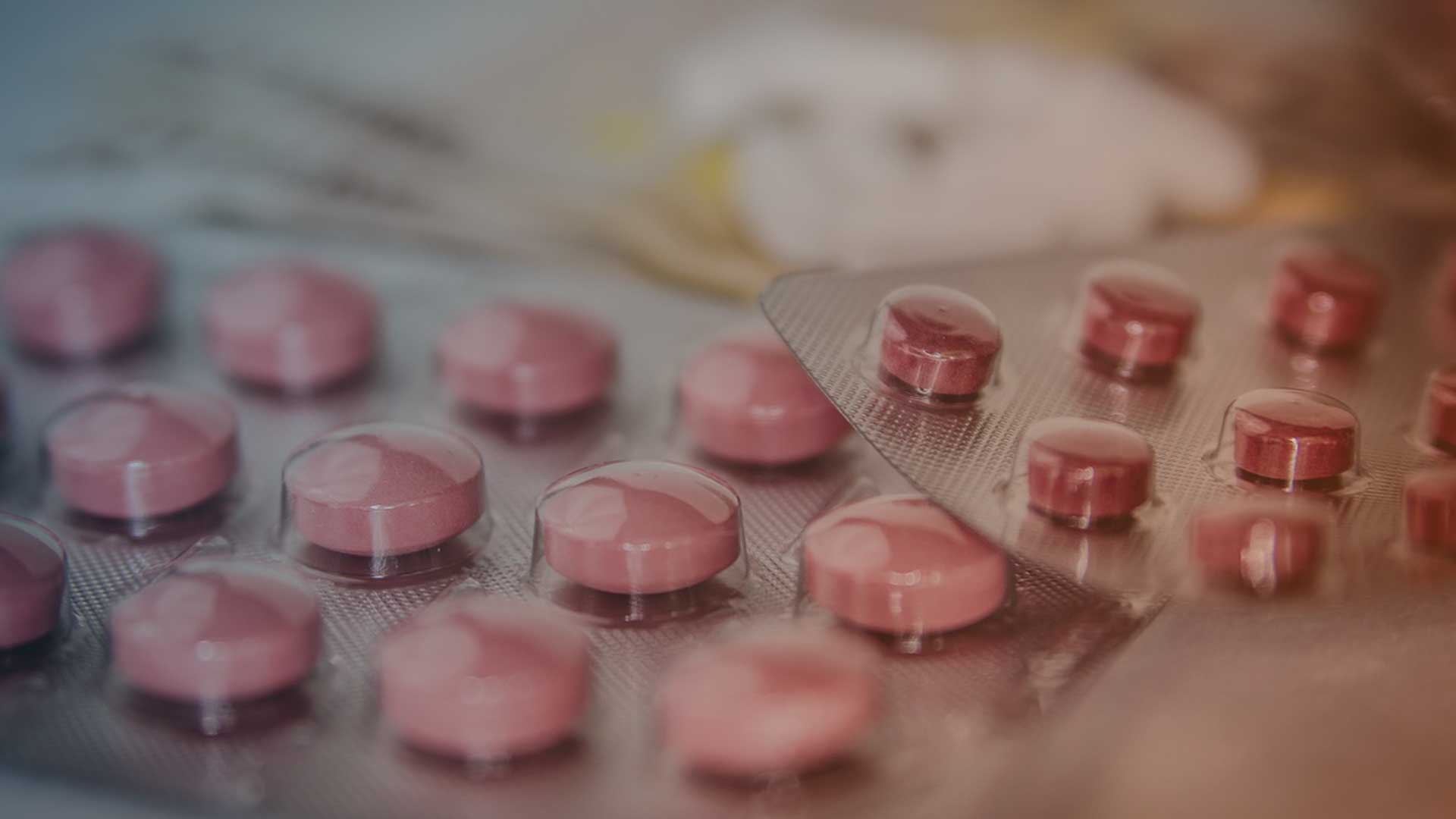
Dangerous interactions: How medications and foods can affect each other
It's common knowledge that medications can interact with each other. Many people are familiar with their doctors' recommendations to avoid taking certain medications together and follow a strict schedule for when to take each medication. However, serious interactions can also occur between medications and food. These interactions can range from reduced or complete loss of effectiveness to life-threatening overdoses. Professor Martin Smollich and Dr. Julia Podlogar, authors of the book "Interactions Between Medications and Food," address this topic, explaining the connections and how to avoid risks.
Water
Taking your medication with a large glass of tap water and while maintaining an upright posture is a good start. This prevents the tablet from sticking in the esophagus, which could delay its effectiveness or, in the worst case, damage the esophageal lining. However, not all water is created equal, and many people take their medication with mineral water. Since both tap and mineral water can be very high in calcium, it's recommended to ensure the calcium content is below 40 milligrams per liter when taking medication. This information is usually found on mineral water bottles. For tap water, you can contact your local water supplier for the calcium levels.
Milk
Milk and dairy products contain calcium and casein. "The calcium in milk strengthens bones" – this isn't entirely wrong, but for people suffering from osteoporosis, for example, this combination can prevent the body from absorbing the active ingredients in their medications. The combination of antibiotics and dairy products, as well as iron supplements and dairy products, is equally problematic.
Coffee / black tea
The tannins in coffee or black tea can negatively affect antidepressants or neuroleptics. The authors explain that there are nitrogen-containing medications in this drug category that, when taken with coffee, can almost completely negate their effectiveness. A warning about nitrogen content is not mandatory for the aforementioned medications, so people with mental health conditions are advised never to take their medication with coffee or black tea. Iron supplements also exhibit reduced absorption when taken with coffee or black tea.
alcohol
Alcohol, as well as antidepressants, tranquilizers, and sleeping pills, inhibit nerve impulse transmission in the central nervous system. When taken together, the effects are amplified, and this combination can lead to sleep apnea. Alternatively, the effects of a sleeping pill may be delayed, meaning it could remain active throughout the morning. Aspirin and other medications containing acetylsalicylic acid (ASA) have a blood-thinning effect and, when combined with alcohol, can create an extremely dangerous mix. Paracetamol (acetaminophen) taken with alcohol can also damage the liver.
grapefruit
Did you know that grapefruit, often considered so healthy, can lead to serious kidney damage or even death when combined with certain medications? Grapefruit juice contains substances that can cause medications to be present in higher concentrations in the body, potentially leading to unwanted side effects. Therefore, if you are taking, for example, sleeping pills, cholesterol-lowering drugs, blood pressure medication, or antihistamines, you should completely avoid consuming grapefruit. Furthermore, according to Smollich and Podlogar, consuming grapefruit or pomelo can intensify the effects of Viagra and lead to "dangerous cardiac arrhythmias.".
Goji berries
Goji berries are considered a trendy "superfood" and are unfortunately advertised with some dubious health claims. People taking anticoagulant medication should be careful. Goji berry components may intensify the anticoagulant effect and thus lead to dangerous bleeding complications.
high-fiber food
People with Parkinson's disease who are treated with levodopa should not avoid a protein-rich diet, despite the possibility of a protein-related reduction in its effectiveness. It is simply recommended that levodopa never be taken with dairy products and generally 30-60 minutes before a meal. Furthermore, protein-rich meals should ideally be eaten in the evening.
Conclusion
Smollich and Podlogar's book is "heavy reading" for the layperson due to its technical language. However, the topic is highly interesting and reveals many connections that one might not be aware of. This article could only provide a few examples. Hence the standard disclaimer:
These interactions are just a few examples. Therefore, ask your doctor or pharmacist whether your specific medication can interact with food. They can also tell you whether it's sufficient to maintain a time interval, or whether you should completely avoid certain foods for the duration of your treatment.
During my research to make the text understandable for all non-medical professionals, I came across another very interesting connection:
Asthma medication and pepper
This interaction only affects asthma medications containing theophylline, which is present in only 6% of the prescribed asthma medications. Consuming black pepper increases the absorption of theophylline, and the combined effect can lead to nausea, vomiting, and other symptoms.,
It can lead to headaches or even heart rhythm disturbances.
Summary: Miriam Butke, as published in Alpha1 Journal 2/2017.


