transplantation

In the final stage of alpha-1 antitrypsin deficiency, a lung or liver transplant may be necessary.

Lung transplantation

In the Video from the Lung Information Service In the series „Lung Diseases – Brief and Understandable“, Prof. Nikolaus Kneidinger (LMU University Hospital, CPC-M/DZL) gives an introduction to the topic of „Lung Transplantation“

Liver transplant

Here Click here for more information about Alpha-1 and the liver

News from the field of transplantation:

New guideline for follow-up care after lung transplantation

New guideline for follow-up care after lung transplantation

January 4, 2026
4th Day on Organ Donation and Transplantation, November 18, 2023 in Essen

4th Day on Organ Donation and Transplantation, November 18, 2023 in Essen

November 22, 2023
Frau schreibt an einem Laptop
Lung transplant experience report: Ten years full of suffering, fear and hope

Lung transplant experience report: Ten years full of suffering, fear and hope

January 11, 2021
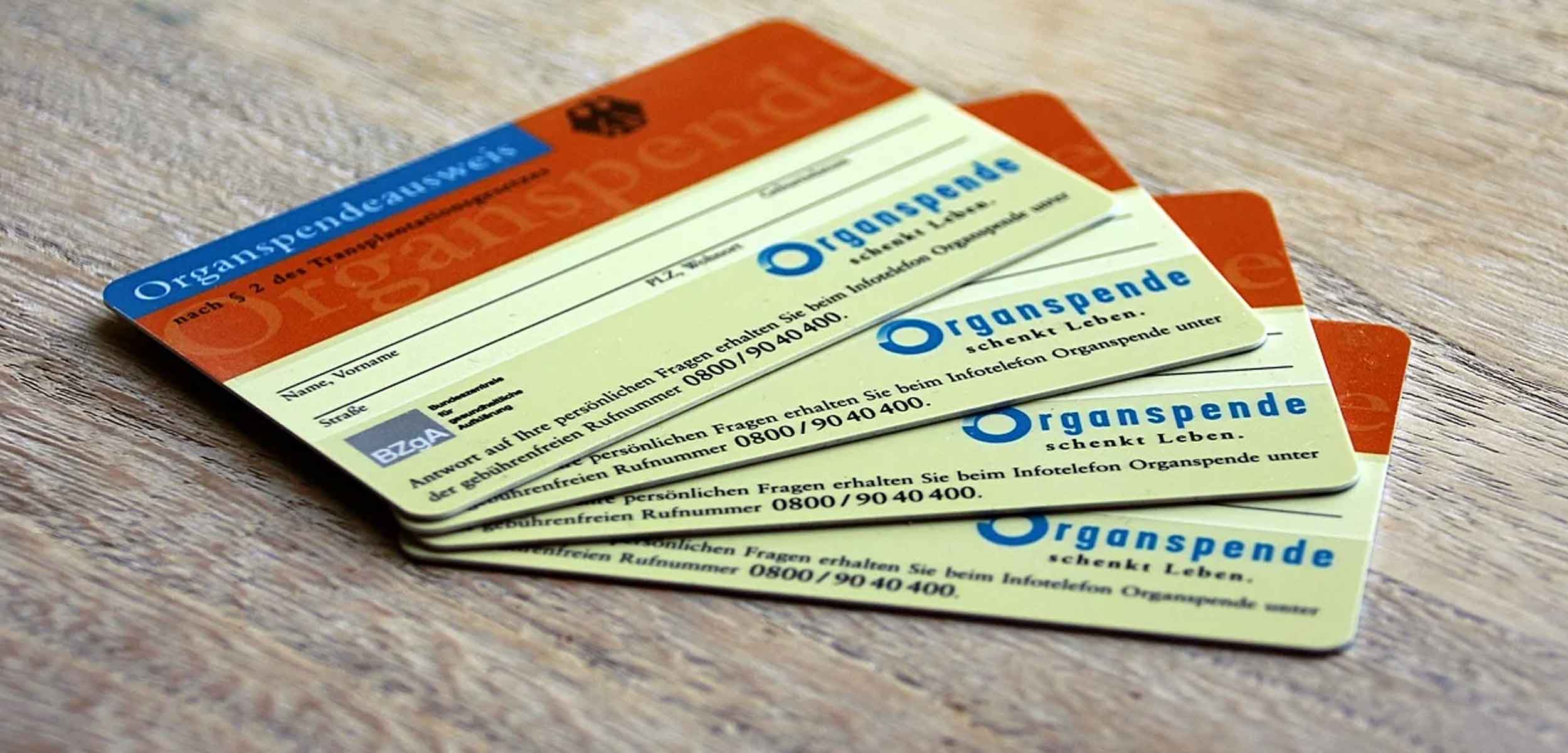
Organspendeausweise
The Lower Saxony regional group of the Federal Association of Organ Transplant Recipients (bdo eV) introduces itself

The Lower Saxony regional group of the Federal Association of Organ Transplant Recipients (bdo eV) introduces itself

September 27, 2019
Symbolbild Krankenhaus Arzt
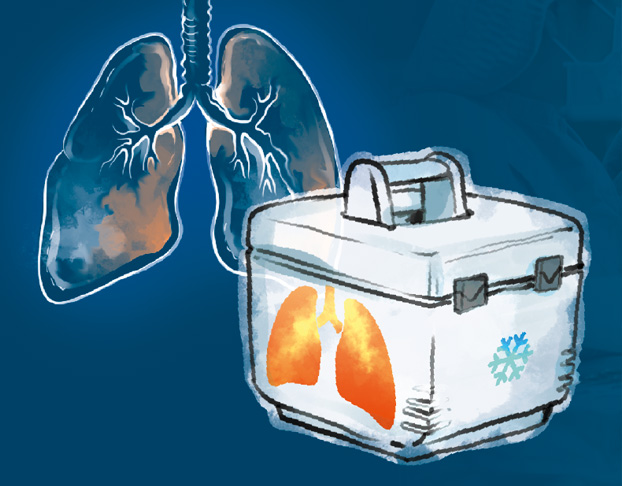
MHH Press Release: Transport system for donor lungs approved in the USA following MHH study

MHH Press Release: Transport system for donor lungs approved in the USA following MHH study

July 13, 2018

Lung transplantation has become a routine treatment procedure for patients with end-stage lung diseases.

The complexity of lung transplantation—from the preparation phase and the transplant itself to lifelong follow-up care—confronts affected patients and their families with a multitude of problems and anxieties. Only through comprehensive information will they be able to cope with these problems and alleviate their fears.

The German Foundation for Organ Transplantation (DSO) provides a wealth of important information, including specialist information, general information, statistics and reports, as well as news and events. Where are most lung transplants performed in Germany? Where are the competent centers near me? What should I be aware of? These are some of the questions addressed on the DSO website.he DSO website beanwill be answered.

Read more at: https://www.lutx.de/patienten/

The [name of the person] also has a good guide. German Heart Center Berlin Published for heart and lung transplant recipients.

The website of [website name] is also recommended for information on this topic. Federal Association of Organ Transplant Recipients. (BDO).

The University Hospital Essen To mark Transplant Day on November 21, 2020, the University Hospital Essen posted numerous videos online on the topics of transplantation and organ donation. The hospital also hosted Transplant Day again in 2021. You can find excellent videos and information here.

Alpha-1 antitrypsin deficiency and transplantation –User reviews:

Imagine being able to do everything you want without any tools or help…

After two years of unsuccessful attempts to get a transplant at the University of Leipzig, Dr. Wald, a senior physician, recommended that I transfer to the Hannover Medical School (MHH) because my health had deteriorated drastically and the University of Leipzig had become my second home. It wasn't always shortness of breath; my CO2 levels always rose very high during exertion, which was/is not good for my body. On June 21, 2017, I received approval for the transfer to Hannover. On my way home after another hospital stay on June 23, 2017, I received a call from the MHH informing me that a lung transplant had arrived for me. I knew: it wouldn't work the first time anyway, and I remained completely calm. My husband, however, was certain it would work. He was right!

From then on, a (my) dream began:

  • 8:15 p.m.: Pick-up and transport by ambulance to Hanover
  • 10:30 p.m.: Arrival in Hanover, blood test, examination, shower
  • 3:00 a.m.: Prof. Dr. med. Gottlieb accompanies me into the operating room.
  • 4:00 a.m. – 10:30 a.m.: Double lung transplant

Transfer to the intensive care unit

When I was transferred to the IST (Ward 12) on Monday, June 26, 2017, I was already expected by the nurses and caregivers.

PS: No matter which ward you're on – the nursing staff is also competent, friendly and always helpful.

On June 28, 2017, I already had to use a walker, and the nurses began instructing me on my medication. With tears in my eyes, on July 4, 2017, I was able to take my first steps outside my room without any aids. Then began the period of muscle building: walking, exercise bike, massage. Imagine, on July 8, 2017, I was allowed to take my first walk alone in the hospital park.

And again and again, therapy, medication adjustments, lung training, walking, walking, walking. Life is fun, but it also hurts to see familiar "fellow sufferers" at Hannover Medical School (MHH) who haven't yet had the incredible good fortune of receiving a transplant, as I have. After exactly three weeks on Ward 12, I was transported by the Südheide patient transport service to Bad Fallingbostel for follow-up rehabilitation on July 17, 2017. Upon arrival, I was informed that I would have to complete my rehabilitation in isolation due to an infection. Naturally, a small world collapsed for me, as I had been looking forward to exchanging experiences with other transplant recipients.

But it was no use: I just had to grit my teeth and get through it. I wanted to give up on rehab, but my family and friends told me to persevere. It's very difficult to feel comfortable when you can only ever be in your room. I really enjoyed my runs in the park, but unfortunately, I was always alone.

Three weeks of daily checkups, lung exercises, physiotherapy, eating on my own, all in my room – it wasn't exactly pleasant. Thanks to the support of my family and friends, I got through these stressful three weeks.

Last but not least: Südheide drove me home on August 7, 2017, where my family welcomed me with great joy. I was and still am very proud of my family. Now I can finally race around with my grandson and do many things with him that weren't possible before the transplant.

I thank my donor and will cherish and care for my new lung. Thanks again to everyone who gave my husband and me so much strength and support during this time.

Andrea Kleinert, SHG Saxony/Saxony-Anhalt, as published in Alpha1 Journal 2/2017.

Transplantation with a happy ending

Dear members of Alpha1 Germany, dear interested parties,
I would like to tell you about my experience as a relative of a patient with alpha-1 antitrypsin deficiency and pulmonary emphysema, both before and after a transplant, including the entire course of the illness.

In search of a better quality of life

My husband, born in 1960, began experiencing shortness of breath in 1999. Initially diagnosed as pulmonary emphysema, it was then recognized in 2004 as alpha-1 antitrypsin deficiency. From 2008 onward, he received weekly infusions of Prolastin. Oxygen therapy was added in January 2009. Since mid-2008, we had also been regularly attending the Hannover Medical School (MHH). Initially, these appointments were scheduled every six months. We had jointly decided that a lung transplant was ultimately the only way to improve his quality of life. We anticipated numerous benefits from the transplant, as his shortness of breath had worsened steadily over the years, triggered by even the slightest exertion. We constantly had to ensure he had oxygen and answer the question: How long could we be away from home with two portable oxygen cylinders of liquid oxygen? Or, if we wanted to travel, would a large tank need to be shipped to our vacation destination? Spontaneously going somewhere and staying overnight was impossible. My husband was also fully employed until the transplant. This was only possible because the company had moved an office for him to the ground floor. He was also supplied with a large oxygen tank there.

From bicycle to wheelchair

In our free time, we used to always go cycling with friends. Once a year, we'd even go for several days. But that hasn't been possible since 2004. We then followed them by car to spend the evenings with our friends. Since 2010, we've also had to use the wheelchair, as longer distances of 300 meters or more were too strenuous. But just sitting at home wasn't an option either! So, with the wheelchair and oxygen, we went to the zoo or to concerts. Over the years, I haven't liked going anywhere alone, especially not overnight. Because without help, my husband couldn't shower or dry himself. Or there was the fear that he wouldn't be able to breathe and that no one would be there to help. Because in such a situation, he couldn't call the doctor and open the door on his own – so all hope rested on the transplant…

We knew that a transplant is a major procedure. And that there would be many restrictions afterward regarding food and drink, and especially hygiene. The numerous medications meant to prevent organ rejection also have side effects. We were initially afraid of that, too; you just don't know what to expect! How are you allowed to cook, and what can you eat?

In October 2014, my husband's condition worsened after he developed pleurisy. His vital signs deteriorated further. In December 2014, he was taken to the hospital twice by ambulance. We then decided, together with the doctors at Hannover Medical School (MHH), that it was time to put him on the waiting list. On January 5, 2015, he had to undergo a cardiac catheterization, which is a prerequisite for being placed on the waiting list.

After the transplant: Finally, riding a bicycle again!

On January 14, 2015, we received a call informing us that my husband was now on the Eurotrans waiting list. Just a few days later, on January 17, 2015, we received a call from Hanover informing us that an organ was available for him. My husband was overjoyed, and I was incredibly excited! The transplant went well: after just one week, he was already climbing two flights of stairs! After three weeks in the hospital and three weeks of rehabilitation, he was back home at the beginning of March. In May 2015, his greatest wish came true: riding a bicycle! Our friends picked us up for a bike ride. Since then, he has cycled 8,000 kilometers! I can't keep up with him…! And when we go for walks, I have to slow him down; he goes too fast for me! I never would have dared to hope for that before the transplant. Exactly one year later, he went back to work. I was so glad to finally have some peace and quiet at home again. We also took two flights, and everything went smoothly. You have to be very careful about what you eat; everything has to be cooked thoroughly, nothing raw is allowed. No salad or fresh herbs. But that's manageable on vacation. If necessary, there's always pizza… and in Mallorca, we were self-catering.

I've almost forgotten my fears for my husband; we're leading a nearly normal life now! Well, hygiene, medication, and doctor's appointments are just part of normal life now. It's been worth it every single day so far! We also know that things can change every day – but they don't have to!

Very best regards
CD.

My path to being listed – the interview
led by Linda Tietz with Uwe Deter

Today we'd like to talk to you, dear Uwe, about your path to being listed. But first, our readers would like to know how long you've been with Alpha1 Germany and what your role is there.

I have been a member of Alpha1 Germany since 2008. Since 2013 I have been in the advisory board for technical advice I am responsible for patients requiring oxygen therapy. I have been an oxygen patient since 2010 and in 2013 was deputy group leader of the LOT long-term oxygen therapy program in Uelzen. Since our last members' meeting in April 2015, the topic of "transplantation" has been added to my agenda. For some time now, I have also been personally exploring the topic of transplantation and would like to share my initial experiences with our members.

When and how were you diagnosed with Alpha-1?

Since 2000, I've been under the care of a pulmonologist for shortness of breath and wheezing in my lungs during exertion. He suspected asthma and treated me accordingly. In the spring of 2003, I had an infection. At that time, a doctor in his practical year was working at my family doctor's office. During his consultation, he took a closer look at my medical records and noticed that I had recurring infections. After taking a blood sample and finding my serum alpha-1 antitrypsin level much too low, this young doctor immediately referred me to a pulmonologist. The pulmonologist then started me on Prolastin. My family doctor then took over the regular administration of the Prolastin. One day, I found a flyer from Alpha1 Germany in a Prolastin shipment with information about registering in Marburg. Through this, I became a participant in a study and received comprehensive information about Alpha-1 from Prof. Dr. Dr. Bals.

Since when have you required oxygen and who informed you about the possibility of a transplant?

During a rehabilitation stay in Schönau am Königssee at the end of 2009, I was prescribed oxygen. As part of this rehabilitation, I was also advised to consider being put on the lung transplant waiting list. It would be necessary at some point. I then gathered information at various events organized by Alpha1 and at clinical seminars at the Ruhrland Clinic in Essen. In December 2013, I presented myself in Essen. There, I spoke with transplant recipients and received further information. The Federal Association of
The organ transplant recipient was also very helpful. Essen even gave me "tasks" about which doctors I need to see to check that I don't have any other illnesses that would disqualify me from a transplant.

What diseases are these, for example?

The main goal is to rule out any malignant changes or diseases. Even "slow" inflammations must be excluded. This includes, for example, a thorough examination of the teeth and intestines.

The foundation for the transplant was laid at the Ruhrland Clinic in Essen. Will you also receive your transplant there?

Since the Ruhrland Clinic is too far away, I was told that Hanover would be the most suitable option for me. I contacted the Hanover Medical School (MHH) and sent them my documents. The MHH scheduled an appointment for me in the pulmonology department. There, I learned which examinations are necessary before being placed on the donor list. Follow-up appointments were scheduled. The final appointment for the listing is with the surgeon, once all the documents are complete. The transplant hospital, in my case the MHH, handles the listing process. It takes approximately 15 days for the listing to be completed, starting from when blood was drawn at the final appointment. Successful listing is initially communicated by phone. And then everything can happen very quickly if a suitable organ becomes available. Therefore, you need to be reachable 24 hours a day.

Being available around the clock seems very difficult to me. Doesn't that put you under pressure? What happens if you forget your phone, for example, or can't be reached?

It doesn't put me under direct pressure. I always have my mobile phone with me when I leave the house. It's an adjustment to carry the landline phone in my bag, even if I'm just going down to the basement to do the washing machine. My wife always takes her mobile phone with her too. She usually knows where I am (physiotherapy, pulmonary rehabilitation, doctor's appointment). She gets a call if I can't be reached. Unfortunately, this can sometimes happen due to poor network coverage, as we live in the countryside and have no reception in wooded areas. We were told that if no one can be reached, I'll be removed from the list. If I catch a cold, I have to contact the Hannover Medical School (MHH) immediately. Then I'll be put on the list "on hold." I also have the option of going on vacation. I would then call the MHH and explain where I'll be and when. The MHH would then arrange for me to be picked up from there if I needed a transplant.

Do you receive psychological support as part of all the preparations for the listing?

Not exactly. Psychological counseling was available during rehabilitation. At home, you have to find a therapist yourself. The waiting time for an appointment is very long, often up to six months. I found the exchange with other transplant recipients psychologically important.

Were you told approximately how long it would take until the clinic called to say the organ was ready?

No specific timeframe was given. I'm considered to have a good chance because I have a very common blood type and, as a former athlete, a good build. Therefore, things could move very quickly once I'm listed.

Recently, there have been media reports about fake lists. Are you concerned by these reports?

No, because I hope these are only isolated cases.

Low-germ diet after transplantation

After a successful transplant, patients and their families have a lot to consider and process. This includes uncertainties and anxieties regarding "proper" cooking. What can I eat? What is good for me? What is forbidden?

Dr. Heribert Keweloh (microbiologist) and Uta Reinecke (dipl. ecotrophologist) have written the practical textbook „Keimarme Ernährung“, ISBN 978-3-8047-3687-0, available in bookstores.


Substitution therapy during a lung transplant 

The Lung Information Service informs: Initial studies show that administering alpha-1 antitrypsin during lung transplantation can reduce organ damage.

In Germany, there are approximately 3,000 potential organ donors each year who are even eligible. In contrast, around 12,000 people are waiting for an organ transplant!

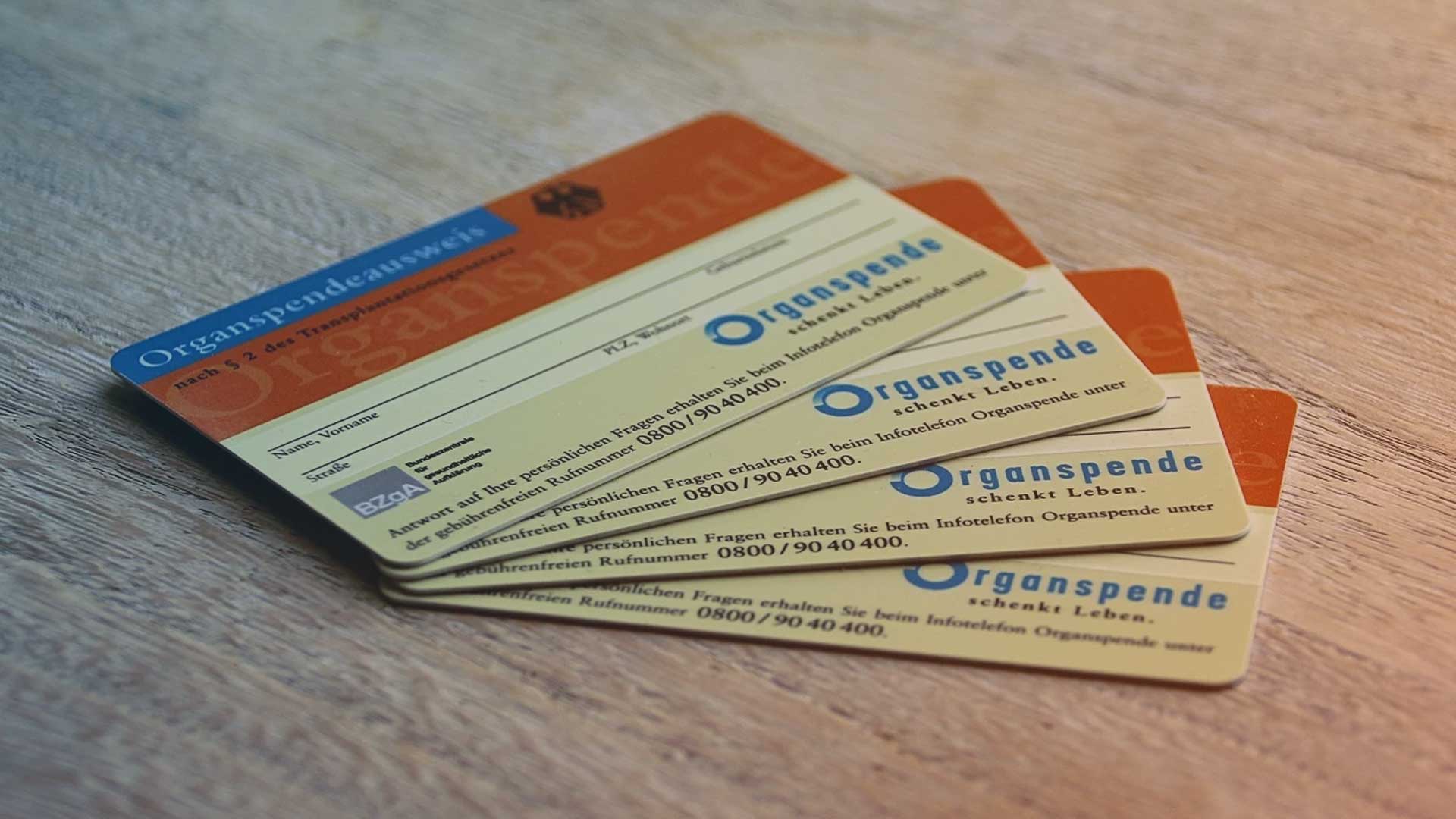
Organspendeausweise auf einem Tisch

Organ donation is not the same as transplantation.

by Marion Wilkens, as published in Alpha1 Journal 02/2013

Naturally, the topic of transplantation is of much greater concern to us as people affected by Alpha-1 diabetes. However, we should not delegate the decision about potential organ donation; we should make it ourselves.

I recently attended a lecture on organ donation at the Paritätische Wohlfahrtsverband (KISS), a social welfare organization in Hamburg. After the presentation by Bettina Eggers, transplant coordinator at the DSO (German Foundation for Organ Transplantation), I realized that we actually give this topic far too little attention. For understandable reasons, we talk a lot about transplantation, but organ donation also affects us chronically ill people.

Do I want to become a donor?

We Alphas think we don't need to worry about organ donor cards: Who would want our heart, let alone our lungs? Is the question really that easy for us to answer? Many people say they are too sick to be organ donors. But the decision as to whether some parts might be usable should be left to the doctors. No one will get a lung from us Alphas, but other organs might still help someone. We shouldn't be asking ourselves what else can be used – that's what specialists are for. But: Everyone should ask themselves and decide for themselves whether they want to become a donor.

A "no" is just as acceptable as a "yes" on an organ donor card, but it's important to consider the matter beforehand. You should also know what your partner/family wants, or what should happen if a child dies – that's certainly something you'd rather not think about!

Of course we have questions: How exactly are the donors screened? Does it make sense to become a donor if you are knowingly ill?

It's always a risk assessment.

But let's be honest: Doesn't everyone have some kind of illness? Of course, not everything can be ruled out. No one wants to receive a diseased organ, but sometimes receiving an organ at all is more important. So it's always a matter of weighing the risks. The most important information about the donor comes from the deceased's treating physicians. If someone has no relatives and didn't have regular medical checkups, the data is too limited to consider them as a donor. But even here, there are specialists for that. They decide who can become a donor; what's written on the donor card is up to us!

It was very clear at the meeting in Hamburg that there are many fears surrounding organ donation. Many myths and stories circulate about this topic. For example, the question arose whether one is left with a collapsed chest, or even stuffed with cotton wool. Of course, this isn't the case; one is stitched back together and looks the same as before (well, just with a scar). There are also persistent rumors and stories about people who aren't dead but from whom organs are already being removed. These stories originate from a time before intensive care medicine existed. Brain death has only been possible to determine since the 1960s, and it is the most reliable diagnosis in medicine.

Incidentally, the probability of becoming an organ donor (despite registering as a donor card) is low. A person becomes a donor only if they are brain dead and on life support. It's important to understand that someone who died at home is not eligible to donate, as their organs were not receiving oxygen.

Too few donors!

In Germany, there are only about 3,000 potential organ donors each year who would be medically eligible. That's not many, especially considering that there are approximately 12,000 people in Germany waiting for organ transplants (some of whom are Alphas). Nevertheless, we would have enough donors and could even choose among them if at least these medically eligible patients were willing to donate. Unfortunately, the willingness to become an organ donor has declined sharply, particularly after the scandals in Germany last year. This is not good for us Alphas and for everyone waiting for an organ. Everyone should decide for themselves whether they want to become a donor or not.

On the pages of the Federal Ministry of Health and the German Foundation for Organ Transplantation You will find further interesting information here.



YouTube Download list Newsletter contact