Alpha-1 antitrypsin deficiency: Treatment options

The genetic disorder alpha-1 antitrypsin deficiency is currently incurable, although numerous researchers are intensively studying gene therapy. Similarly, damaged lung tissue cannot regenerate. Nevertheless, appropriate therapy can improve your condition in several ways:

  • slow the progression of the disease and thereby improve the prognosis.
  • to enable an improvement in quality of life through symptom relief

The specific treatment is carried out

  • by taking bronchodilating medications (anticholinergics, beta-II agonists) to relieve shortness of breath
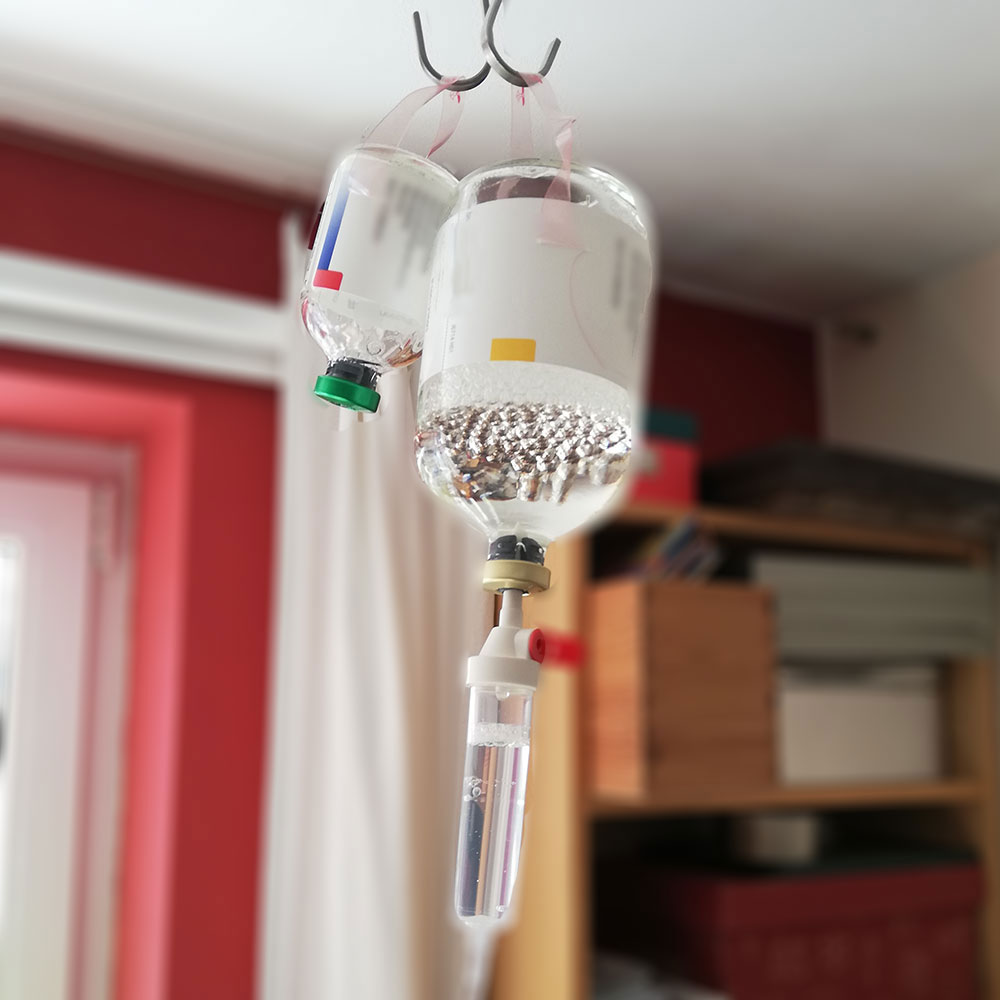
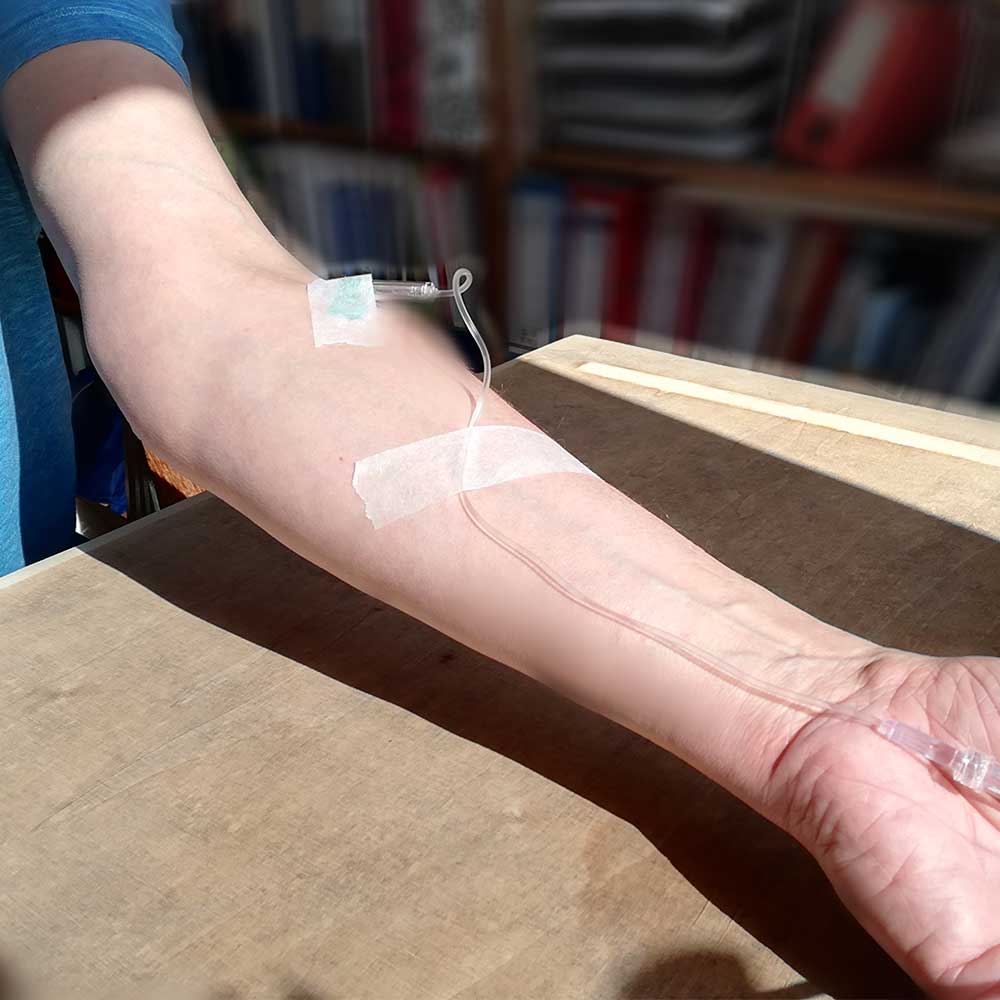
  • Under certain conditions, the missing protective protein alpha-1-antitrypsin can be administered via infusion. This so-called replacement or substitution therapy can slow the destruction of lung tissue. The alpha-1-antitrypsin is derived from the blood of healthy donors.

You will learn how the protein alpha-1-antitrypsin is normally produced in the body. here

Every treatment is based on two important pillars:

  • their willingness to cooperate (Compliance)
  • competent medical care, so that you feel well looked after and taken seriously

Are you lacking medical support in your region? You can find a search function for pulmonary specialists in Germany here. here  Or feel free to contact us directly.

Alpha-1 antitrypsin deficiency: Treatment using replacement therapy

Substitution therapy for alpha-1 antitrypsin deficiency:

  • It is paid for by the health insurance company and is therefore free of charge for the patient.
  • is usually administered once a week
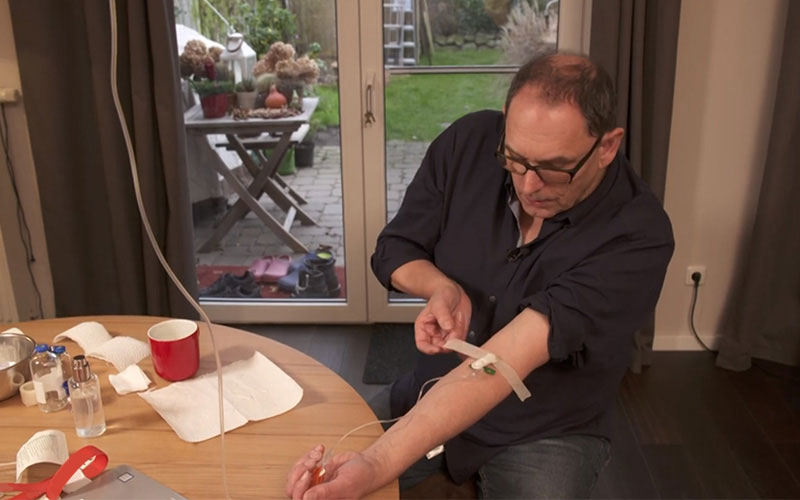
  • Treatment takes place at the general practitioner's office, lung specialist, or in home (self-)therapy.
  • It is generally well tolerated. In rare cases, side effects such as fever, chills, or malaise may occur.

For substitution therapy, the following are available: Prolastin® and Respreeza® Two proven methods are available.

Both products are derived from human plasma. With plasma products, we have a unconditional Dependence on blood donors. Up to 900 plasma donations are needed to treat one Alpha-1 patient for a year. There is also currently a large shortage of plasma donations. Dependence on the USA, where the largest proportion of the blood plasma needed in Europe is donated. On this occasion, we have a Letter to the then Minister of Health, Jens Spahn written.

Currently, there is no recombinant (human) alpha-1 antitrypsin on the market. Recombinant proteins for therapy are produced biotechnologically, meaning they are mostly created using genetically modified cell cultures. Many recombinant products have been used successfully for decades in the treatment of hemophilia and cancer. We, as a patient organization, hope that... urgent intensified research regarding the possibility of providing and potentially using recombinant alpha-1 antitrypsin as an alternative or additional option to plasma products.

Such a product could be manufactured much more safely and purer, eliminating potential contamination by pathogens, since absolutely no human or animal-derived substances are used in the manufacturing process. It is also hoped that a recombinant alpha-1 antitrypsin based on modern biotechnology would possess higher activity and be produced in virtually unlimited quantities. This could reduce the shortage of this valuable product and lower costs for society.

This urgently requires studies that can demonstrate this.

Infusion of alpha-1 antitrypsin in a home setting

The topic of substitution therapy represents a profound change in the lives of people with alpha-1 antitrypsin deficiency. Dependent on weekly doctor's appointments, they must reorganize their daily routines and learn to cope with the fact that, at this point, they have transitioned from being affected to being patients.

Just as people are diverse, so too should their substitution therapy be individualized. When, how, and who administers it should be discussed in detail with the doctor. Above all, it is important that the life-prolonging therapy is administered regularly.

Many affected individuals use their weekly doctor's appointment for social contacts, a short exercise session, and the important regular exchange with their treating physician.

But what about people with physical limitations or those prone to infection who find it difficult to visit a doctor's office? How are busy professionals and patients who travel frequently supported?

Here, home-based substitution therapy allows for the greatest possible self-determination with – or despite – the illness. Whether the weekly substitution therapy with alpha-1 antitrypsin is administered at home by medical professionals or a doctor provides comprehensive instruction for self-infusion – Alpha1 Germany welcomes the diversity and freedom of choice available to integrate substitution therapy into one's already restricted life in a way that suits individual needs.

Giving every patient a choice – as is already possible in hemophilia – is what we want for our Alphas.

Other treatment options:

  • Long-term oxygen therapy to improve performance and protect the cardiovascular system: The oxygen is usually administered via the nose. Portable systems offer an alternative to inpatient care, as they allow the user mobility.
  • Surgical procedures (lung volume reduction surgery, implantation of valves in the lungs, lung or liver transplantation)

Lung volume reduction in alpha-1 antitrypsin deficiency

What are the benefits of lung valves, coils, and similar devices? Find the answers here.

Learn more

How does lung volume reduction work? Find the answers here.

Learn more

Which lung volume reduction procedure is best? Find the answers here.

Learn more
YouTube Download list Newsletter contact