A spa treatment on Borkum
Author
Thomas Heimann, as published in Alpha1 Journal 01/2015
Alpha-1 patient Thomas Heimann (54) from Bad Oldesloe (Schleswig-Holstein) participated in a rehabilitation program at the North Sea Clinic on the island of Borkum in February. He reports on his stay in his diary.
In February of this year, I – a PiZZ from the north – went to the North Sea Clinic on Borkum. What is commonly referred to as a "spa treatment" is actually a "rehabilitation measure for participation in working life," or in short: rehab. This is already my second rehab stay. I work full-time and don't yet need oxygen.
The North Sea Clinic on Borkum is one of many rehabilitation facilities on the island. It belongs to the German Pension Insurance (Rhineland) and is located directly on the beach promenade. Borkum has very little car traffic and an island railway connecting the harbor and the town. The clinic is about a five-minute walk from the town center and less than a minute from the beach. Around 180 patients with lung or psychosomatic problems recover here.
On my first day on Borkum, the weather was hazy and cool. Nevertheless, I enjoyed the ferry crossing: two and a half hours out on the Ems River – between the Netherlands and the German mainland. There's plenty to see on the water. After checking in, I joined other newcomers in buying a water bottle for the dispenser in the on-site kiosk. The first surprise: the kiosk is practically a full-fledged pub. They even served the occasional after-work beer.
The second day at the North Sea Clinic began with a blood test and an initial check-up with the senior physician. Being a patient with AAT deficiency and emphysema is not unusual here. Patients on AAT replacement therapy are also frequently seen. I felt I was thoroughly assessed and was eager to learn about the upcoming treatments. I was prescribed several treatments specifically tailored to my emphysema. The clinic and the doctors made a very competent impression.
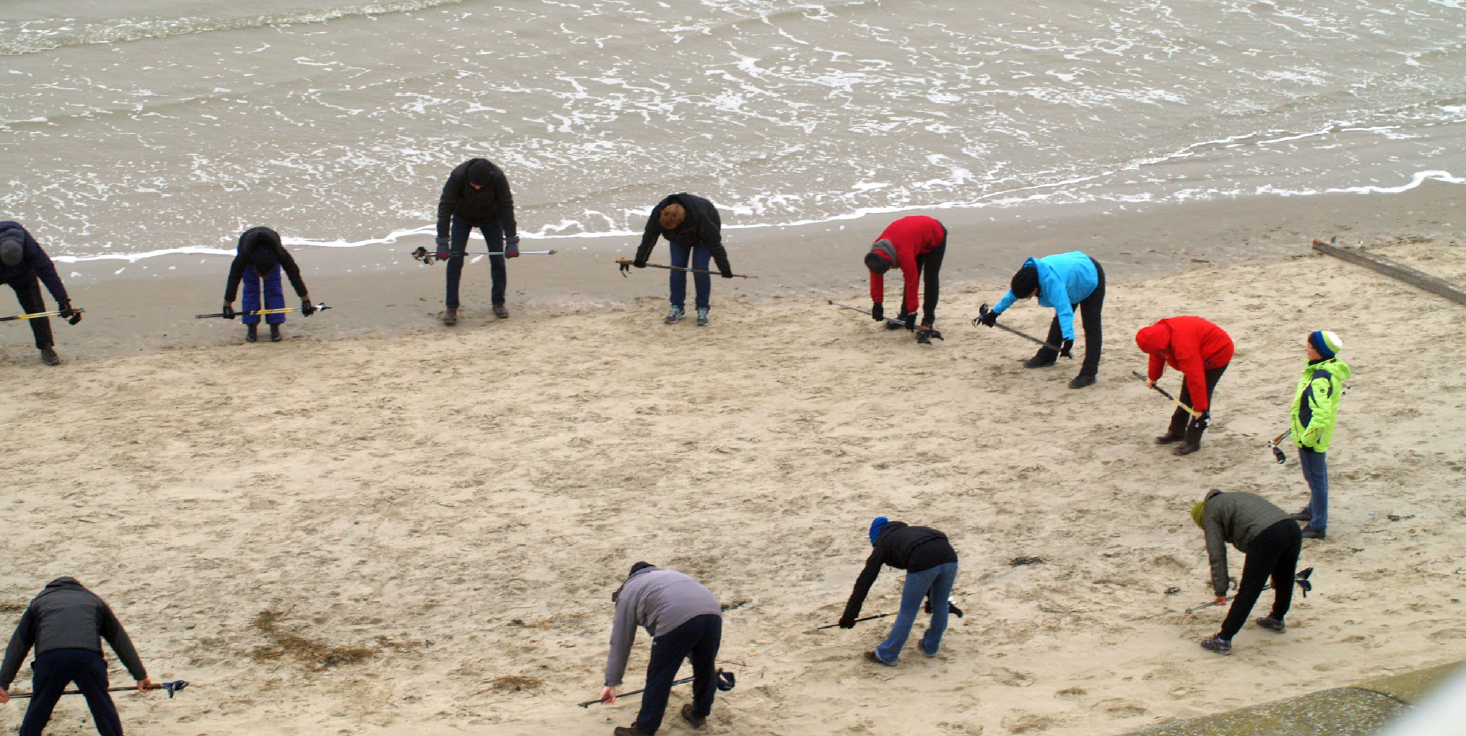
At the North Sea Clinic, I received various treatments focused on training, relaxation, and stretching. These included seawater inhalations, baths, mud packs, and gymnastics tailored to individual abilities. The clinic had a lovely swimming pool and a new sauna. I was also impressed by the well-equipped fitness room with its sea view. Weather permitting, we did the exercises on the beach.
Between all the exercises, there were regular medical check-ups and appointments with my doctor. There were no problems with the Prolastin supply at the North Sea Clinic. I had ordered a four-week prescription from my family doctor beforehand and had it sent to the clinic. That worked perfectly.
During my stay, I saw very few oxygen patients. This was certainly due in part to the time of year. Nevertheless, there were plenty of oxygen refill tanks in the clinic. I got the impression that oxygen patients are also well cared for here and can train as best they can.
Compared to my first rehabilitation stay in the mountains, I felt much more comfortable at the North Sea Clinic. As a sailor, I'm sure that was due to the proximity to the water. Unfortunately, after two weeks I caught a severe infection that required antibiotics. That was a real shame, as it meant my rehabilitation had to be stopped. Perhaps rehabilitation in winter wasn't the best option for someone with a lung condition like mine. The risk of catching a cold is high at that time of year anyway, and the concentration of so many potentially ill people increases that risk even further.
My conclusion: Due to my infection, my rehabilitation was only partially successful. But that's not the clinic's fault. If possible, I want to return to the North Sea Clinic between May and October. I found it interesting that they don't just focus on lung problems here, but also on the psychological aspects that a chronic illness can trigger. At the North Sea Clinic, patients can address psychosomatic issues. Furthermore, Borkum, as an island, offers much more than just rehabilitation. The view of the large lighthouse and the sea was particularly beautiful.
Thomas Heimann, as appeared in Alpha1 Journal 01/2015.