Emergency – Help from the refrigerator
Author
Mechthild and Christian Spreckels, as published in Alpha1 Journal 1-2018
We hope the headline has piqued your interest in reading this article.
Help from the refrigerator? Rescue from the emergency capsule?
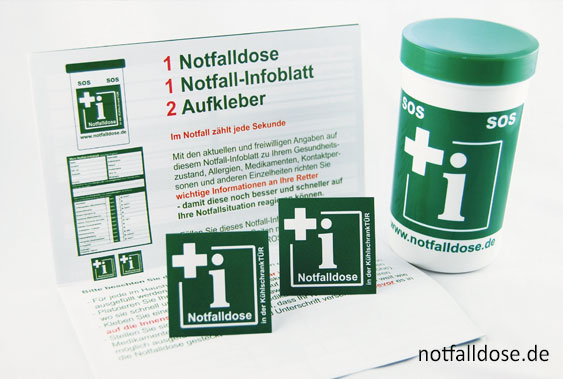
When we first heard the terms, we were taken aback. But after a brief informational chat while buying the emergency information capsule at the pharmacy, the idea convinced us.
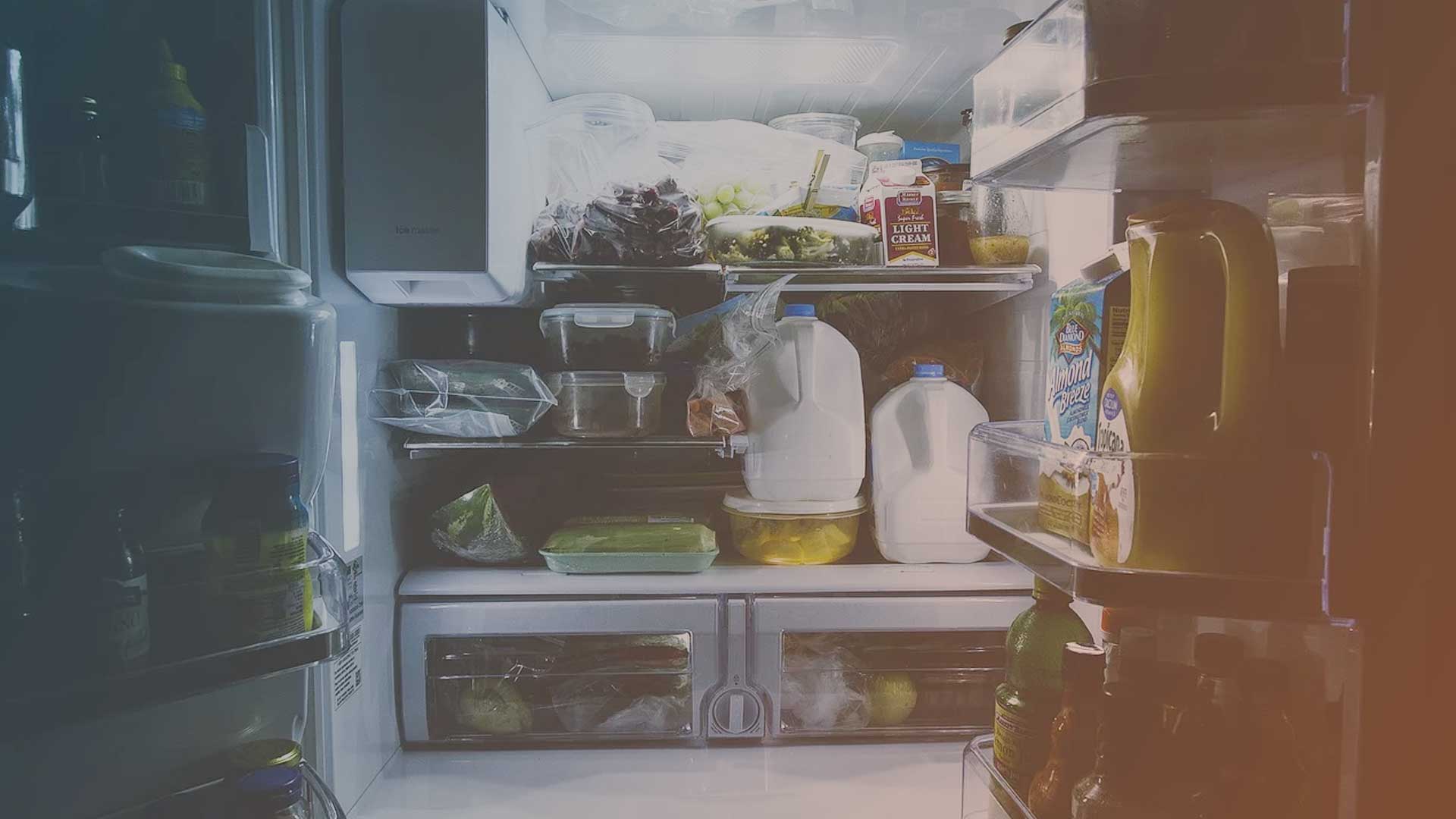
How does the system work? It starts with the purchase of a small green and white plastic container. Inside the container are two stickers and a folded slip of paper. One sticker is placed on the inside of the front door and the other on the refrigerator door in the kitchen, so that in an emergency, the first responder immediately knows that an emergency container, which has been placed in a clearly visible spot in the refrigerator door, is present.
The first responder can now take out the slip of paper and any other documents (vaccination record, medication list). The information sheet should be carefully filled out with the most up-to-date information (contact persons, illnesses, medication therapies, general practitioner's office, surgical procedures, etc.).
What is the purpose of the emergency information capsule? In the event of an accident or sudden illness, the most important information about a patient makes rescue operations easier for the emergency physician or paramedics. Furthermore, patients living alone or their relatives are often overwhelmed by the stress and forget important details. The emergency information capsule is kept in the refrigerator because it is particularly easy to find there, faster than, for example, in the bathroom.
We like the idea. Emergency-relevant information can be found without wasting valuable time. It's a cost-effective and readily available tool in an emergency. We don't agree with the counter-argument that a health insurance card and an emergency pass are sufficient, as these are often difficult to find in drawers or handbags.
Mechthild and Christian Spreckels, as published in Alpha1 Journal 1-2018.