
From rare to unfortunately no longer so rare
Author
Marion Wilkens, Chairwoman Alpha1 Germany eV.
The CoronavirusWhat does this mean for us Alphas? The new coronavirus continues to spread in Europe, and with it, the fear among us Alphas is growing. But let's state one thing upfront: Whether or not you have an Alpha-1 antitrypsin deficiency is not crucial for the course of the disease; rather, it's the state of your immune system and whether your lungs have already suffered damage.
Coronaviruses were first identified in the mid-1960s. They can infect both humans and various animals, including birds and mammals. In humans, coronaviruses cause a range of illnesses, from the common cold to dangerous or even potentially fatal diseases such as Middle East Respiratory Syndrome (MERS) or Severe Acute Respiratory Syndrome (SARS).
In the past, severe diseases caused by coronaviruses, such as SARS or MERS, were less easily transmitted than influenza, but they still led to large outbreaks, sometimes in hospitals. (Source: Robert Koch Institute).
Some experts suspect that there are already many undetected cases in Europe, as the course of the disease is often very mild. Here you can track where cases have already been discovered.
The map is being created by researchers at Johns Hopkins University in the US. Supplementary statistics show not only the number of detected cases but also the number of recovered patients.
The website of the European Centre for Disease Prevention and Control (a European Union agency) also has information. a map showing the spread.
There is plenty of information about the coronavirus; good sources in our view are:
- the homepage of the Robert Koch Institute, where you can find, among other things, the current risk assessment for Germany
- the ERS pages
- the WHO website
- Internists on the Net
- Wash and, if necessary, disinfect your hands. especially after using public transport and touching door handles in public buildings
- Avoid shaking hands and kissing as a greeting.
- Avoid crowds, stop traveling
- Practice proper cough and sneeze hygiene (sneeze and cough into your elbow – not your hand)
- Avoid people who are coughing.
- Strengthen the immune system, ensure you get enough vitamins.
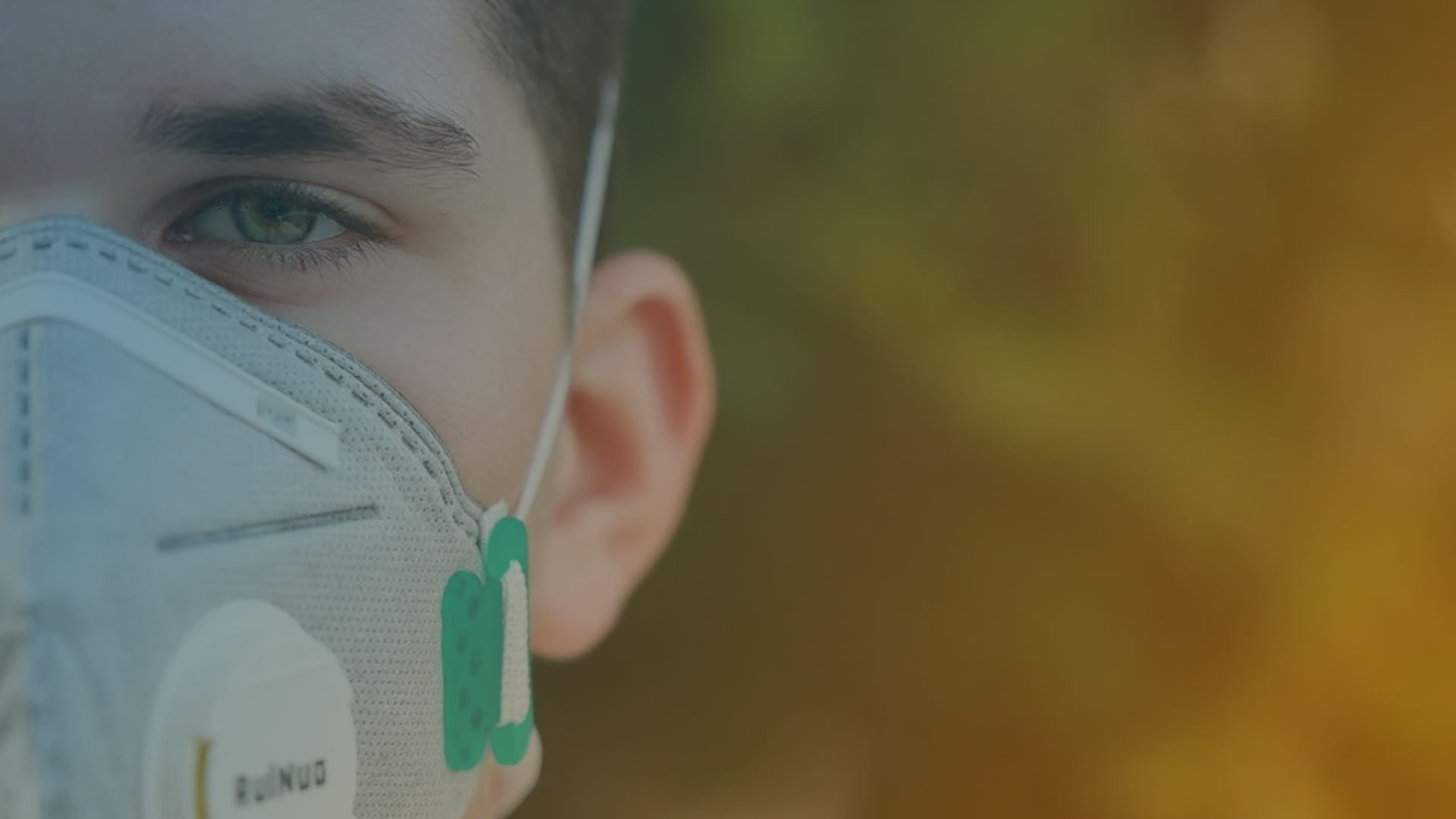
But this also means banishing cloth handkerchiefs, at least for the duration of an infection. A used handkerchief in a warm trouser pocket is a breeding ground for germs, and when you take it out, the germs can potentially be released into the air and infect other people. As a general rule: please use a paper tissue only once. A face mask is advisable if you are infected yourself, to protect others, or when caring for infected patients. Simple paper face masks do not reliably block viruses.
Did you know that a distance of 7-10 meters is needed to be safe from droplets caused by coughing and sneezing?
According to our experts, the best defense against coronaviruses is family, good food (not too much), physical activity, a good mood and a positive outlook on life.
Take care!


