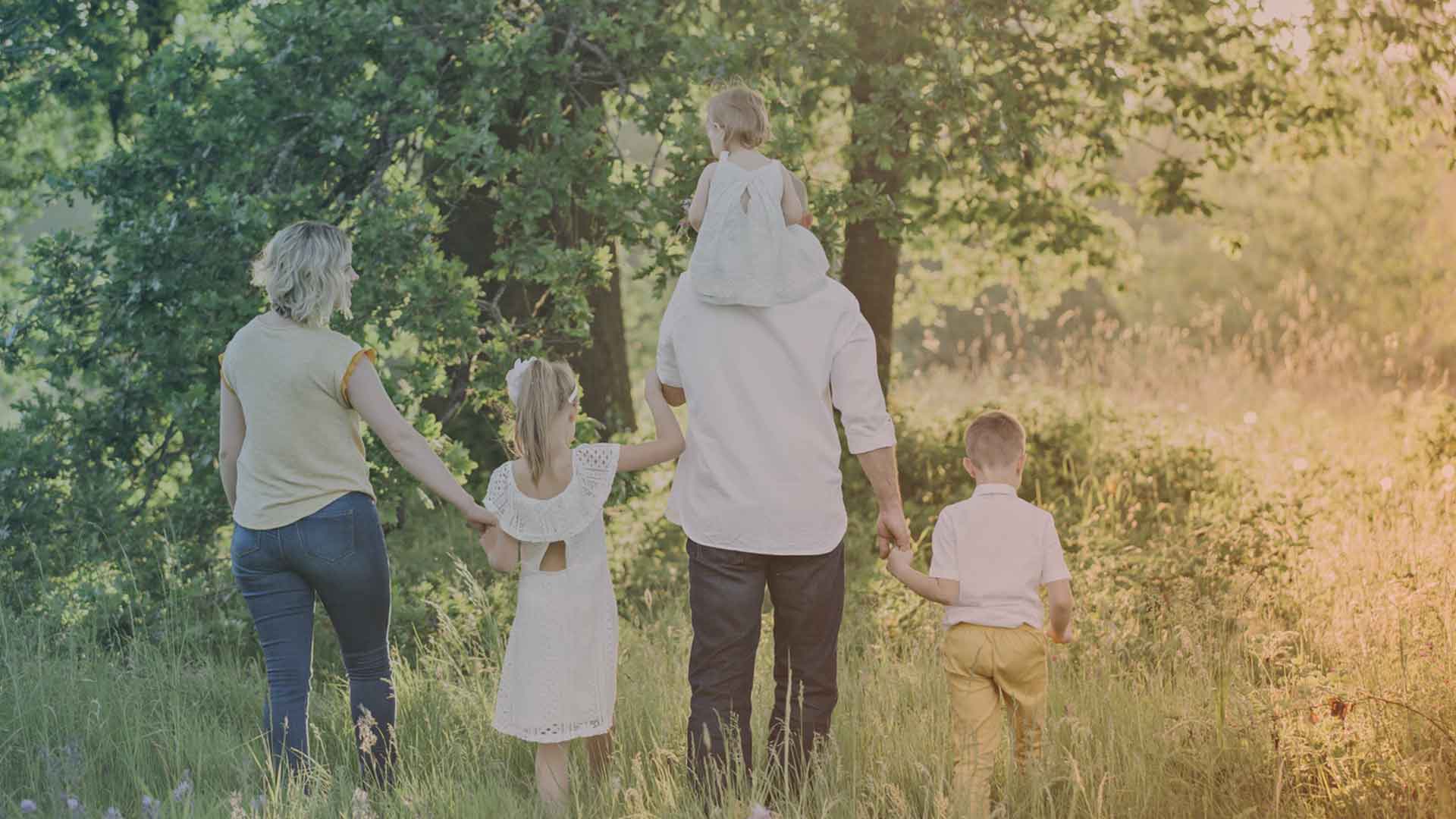
What makes our Alpha1 family strong
Author
Summary of the presentation by Andrea Meiners, Diplom-Psychologin, as published in Alpha1-Journal 2/2016
The term "family" derives from the Latin word "familia," meaning household. Dictionary definitions describe social groups or communities whose services and rules of conduct are geared towards ensuring the ability of their members to act and survive. Every family, even those facing particular challenges such as a chronic illness, must manage the demands of everyday life. Family also signifies a bond that holds everyone together, a rock in the storm, a haven of peace, a place where people are there for one another.
Communication – „The recipient deciphers the message!“
Good communication among family members strengthens the family. It's not just what you say that matters, but also how the recipient understands the message. If the passenger in the car says, "The light's green up ahead," it can be a neutral statement on a factual level, but it can just as easily mean that the driver should finally accelerate so they can make it through the intersection. Communication also happens without speaking. And experts even say that you can't not communicate.
Appreciation and praise
People who love each other should regularly express their mutual appreciation. This sometimes gets neglected in everyday family life. When children are praised, it's often in connection with specific achievements at school or in sports. Parents should also express praise and appreciation to their child regardless of performance, for example, when the child has played creatively or is good at entertaining themselves.
Let's start a conversation
A weekly family meeting can be beneficial for fostering conversation. Parents and children can share, for example, what they enjoyed last week or what they hope for in the coming week. Participation should be voluntary; those who don't want to attend don't have to. Many parents are particularly caring and try to remove all obstacles for their children. While this is understandable, children thrive best when things aren't easy and they face challenges. Especially with teenagers, it can be wise for parents not to always offer ready-made solutions.
Family rules and values
Rules and values strengthen a family. These days, every family has to find its own rules and values, as there are hardly any general social conventions left. For example, it used to be common for children to go to bed after the Sandman on television. That's no longer the case. Rules need to be communicated, and every family member needs to know them. A rule is only a rule if following or breaking it has a positive or predetermined negative consequence. Rules aren't set in stone; they change over time. The renowned family therapist Virginia Satir put it this way: "Family rules are like city maps; they quickly become outdated and need to be changed regularly if you want to still be able to find your way around after a few years." A family can have very different values. Examples include: education, humanity, courtesy, punctuality, health, money, freedom, modesty, or achievement. Family members can orient themselves by such shared values.
Parents as role models
„"No matter how well you raise your children, they'll still copy everything you do." This quote makes it clear that parents are the most important role models for their children. Young children imitate what their parents do. In this way, children also become a reflection of their parents.
of what happens within the family. For example, if siblings are constantly arguing, there are often conflicts between the parents as well. Children also adopt their parents' lifestyle, such as being physically active, maintaining friendships, or not smoking. Children also observe the behavior of other people who are important to them. These can be teachers, siblings, or grandparents.
Coping with stress
Many children today hardly have any quiet time. School lasts long hours, then they go to after-school care, constantly interacting with different people, each of whom they have to adapt to. And then there's music lessons or sports on top of that.
Furthermore, the schedule becomes even tighter and the pressures increase. When all these demands can no longer be adequately met, stress arises. Self-help books on stress management are stacked high in bookstores. Exercise helps against stress, mindfulness helps against stress – this can work for many people, but not for everyone. Every individual is unique. Therefore, it's important to find out what works for you personally and where you find your own sanctuary and safe haven.
Resilience
Resilience refers to the ability to recover after life crises or setbacks. In a sense, resilience represents the immune system of the psyche. It's about having the potential to successfully overcome challenges. Some people are better at this than others. It's helpful if the individual can and is allowed to develop their own strategies for solving the problem. Resilient people remain realistic about their capabilities and goals. A child's environment can foster resilience. The child should have at least one primary caregiver with whom they have a stable emotional relationship. Having competent and caring adults outside the family, and good relationships with peers, also strengthens resilience. At school, a climate that recognizes and promotes the child's strengths and cultivates an appreciative (as opposed to hurtful) parenting style is beneficial.
network
Families are strengthened by a network of other people. This applies to the family itself as much as to the networking practiced, for example, in the Alpha1 community. Within this network, you can be yourself; you can and should let your guard down and be supported. And you have the opportunity to share information and exchange ideas.
Summary of the lecture by Andrea Meiners, certified psychologist, as published in Alpha1 Journal 2/2016.