

Author
Dr. Heike Isensee, Alpha1 Germany eV, as published in Alpha1 Journal 1/2022.
On April 26, 2022, lawyer Nadine Stark gave a lecture and discussion on the topic of assistive devices for an online event of ACHSE (the Alliance for Chronic Rare Diseases, essentially the umbrella organization for rare diseases).
Assistive devices such as walkers, oxygen concentrators, etc., are listed in the so-called assistive device directory. Currently, there are approximately 36,000 different assistive devices for all conceivable uses, the indications for which are only very vaguely defined there. In theory, every patient with statutory health insurance is entitled to all of these listed assistive devices if they need one – but only in theory. More on that later.
Insurance status determines access to assistive devices: A look at statutory and private options
First and foremost, it's essential – as is so often the case – to distinguish between patients with statutory and private health insurance. Even for privately insured patients, the list of approved medical aids forms the basis for coverage; however, the specific terms of the chosen insurance plan must be carefully considered. Many privately insured individuals opt for treatment by a senior physician in their insurance plans but choose the most cost-effective medical aid plan. In such cases, the subsequent care may be significantly inferior to that provided to patients with statutory health insurance. However, the contractual intricacies of the private insurance system are beyond the scope of this article, so let's return to the conditions for those with statutory health insurance.
The legal basis for the provision of assistive devices is regulated, among other things, in the German Social Code, Book V (SGB V). Key concepts include the list of assistive devices, the requirement for approval by health insurance funds, the service providers (e.g., oxygen suppliers, medical supply stores, etc.), and the issue of co-payments (for items not covered exclusively by health insurance).
The path to assistive devices: diagnosis, assistive device directory and the challenges of prescribing them
The first step to obtaining an assistive device is to visit a doctor to establish a diagnosis. The assistive device directory contains ten subgroups for various areas of application. The individual categories are then further subdivided into specific product types. It's important to know that those with statutory health insurance are only entitled to adequate, appropriate, and economical care; that is, the health insurance company will always strive to provide the most cost-effective product from the given category. The prescription for assistive devices is issued on a (small!) form, Form 16. On this form, the doctor may prescribe a maximum of three assistive devices – or, for each, the product type. The doctor's prescription must include the diagnosis and, ideally, also justifications/detailed explanations/clarifications of the condition. However, there is no space for this on the form, which is why it is advisable to attach any necessary additional information to the prescription separately. Especially in the case of rare conditions, which the insurance company staff are generally unfamiliar with, rejection of the application is often inevitable otherwise.
The problem with prescribing assistive devices is also the fact that filling out the form is very complicated. The diagnosis must be coded correctly, doctors typically receive no training on which assistive devices are even available on the market, and there's no useful directory where they can quickly look things up. Finding the right device among tens of thousands of options, one that matches the diagnosis, and coding it correctly isn't always easy, especially since guidelines for rare diseases are often missing from the catalog. The doctor needs to be very familiar with the condition to issue the correct prescription. Nevertheless, nothing works without a doctor. However, we patients can make things easier for doctors through our cooperation. We should answer the following questions beforehand: What do I need the assistive device for? In what situations will I use it?
Making life easier through assistive devices: exchange of experiences and sources of information
What aspects of my life will this make easier or possible? It also makes sense to talk to other patients in a similar situation beforehand (e.g., through a support group or during rehabilitation) about what devices/assistive devices they have or have had, and how they manage with them. An informational meeting with one or more service providers (e.g., oxygen suppliers) is also advisable to learn about the systems available on the market and their advantages and disadvantages. It's also important to consider whether the service provider operates locally, for example, in case something needs repairing or refilling.
With clear expectations from the patient, it's easier for the doctor to write the correct code on the prescription. Using this code, the doctor can then specify the type of product. In any case, they should indicate what level of support or independence the assistive device will enable the patient to achieve. Good cooperation between the doctor and the service provider is also essential.
„"The more detailed the doctor's explanation, the more likely the application will be approved."“
This prescription, which is only valid for 28 days, is sent to the service provider, for example, the oxygen supplier. They then specify the requirements. Service providers are generally specialists for the various assistive devices and forward the application for the provision of assistive devices to the health insurance company. The chosen service provider must be a contracted partner of the respective health insurance company. And: There are huge differences between service providers. If you, as a patient, are not satisfied with the service, you can switch. It's important to know that you have a right to choose and are not forced to accept exorbitant prices or poor service. Many service providers simply don't have the capacity due to staff shortages. This should be clarified beforehand.
Approval hurdles: How to influence the process for your assistive device approval
The health insurance company now has a so-called approval requirement. This means that approval may not be granted immediately (often, approval is waived for small amounts up to €250). The decision as to whether the assistive device is approved is made solely based on the medical records or the prescription. In other words, the more detailed the doctor's explanation, the more likely the application will be approved. The health insurance company usually pays for the least expensive model within the product group. Unfortunately, even the staff of statutory health insurance companies are often unfamiliar with rare diseases. Therefore, it can be helpful for insured individuals to contact their health insurance company directly and explain their illness and situation. This makes the caseworker's job easier.
MDK assessment: How to influence the process for your assistive device approval
If the prescription is not approved immediately, the health insurance company consults the Medical Service of the Health Insurance Funds (MDK). The MDK only does the bare minimum and does not advocate for the patient, but rather is tasked with achieving optimal cost-effectiveness for the health insurance company. During the MDK's review, the primary focus is on examining the patient's medical records, without actually examining the patient. This is also due to the fact that the MDK suffers from an extreme staff shortage, especially among physicians. These physicians are also typically not familiar with rare diseases. Therefore, to reiterate: the most crucial factor is a detailed and accurate prescription from the physician! Only in the rarest of cases will an MDK employee examine or speak with the patient.
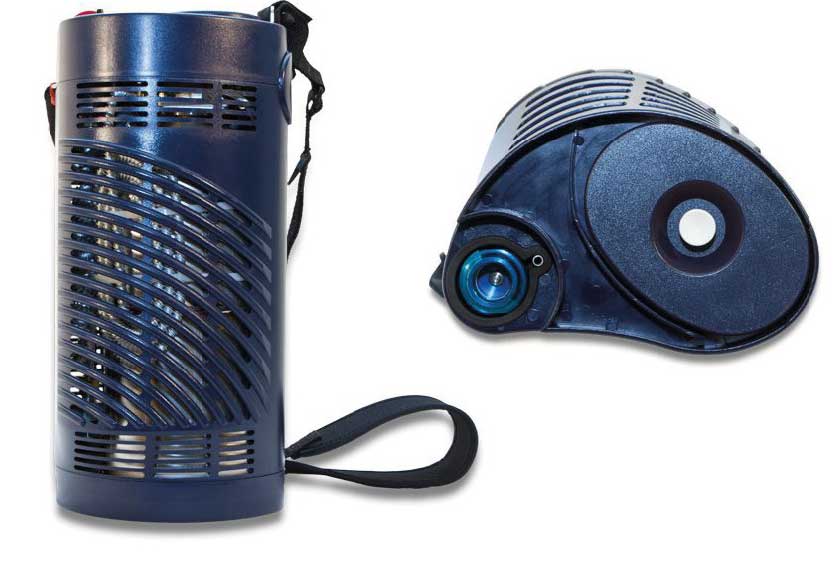
For some Alphas, an indispensable tool: portable oxygen equipment.
Caution: What you should absolutely not do is purchase the assistive device at your own expense without prior authorization from your health insurance company. Doing so will render you considered "already provided for" and you will lose your entitlement to benefits. Subsequent reimbursement will also not be possible.
The different types of health insurance companies handle their approval processes very differently – therefore, approval rates vary greatly.
What should you do if your application is rejected? It's crucial to know that you must file an appeal with your health insurance company within one month of the rejection.
Complaint to the health insurance company: Your voice for the provision of assistive devices
It can be worthwhile to also write a letter of complaint, including a justification, directly to the board of directors of the health insurance company. This letter can also be sent to the supervisory authority for statutory health insurance companies (Federal Insurance Office). In any case, you should describe your illness clearly and understandably. These letters of complaint do not have to be submitted within one month. Studies have shown that some health insurance companies do not act correctly according to legal regulations, thereby depriving patients of the aids to which they are legally entitled. A letter of complaint may lead to a review of the procedure and a subsequent approval. Of course, you can also seek professional help from a lawyer or a patient advocacy group.
Since you are not entitled to a specific product, but only to the most economical, i.e., cheapest, choosing a more expensive product will incur additional costs, which you will then have to pay yourself. You should inquire about the amount of your co-payment beforehand. Sometimes, however, it is helpful to request a specific product with a detailed explanation from your doctor (e.g., a particularly lightweight rollator if someone is extremely frail). With a good justification, some health insurance companies will then cover the more expensive model.
Once approval has been granted, the service provider can finally deliver the assistive device to the patient. Sometimes the process leading up to that point is quite nerve-wracking and time-consuming.
Proactive planning: The path to the necessary resources through smart preparation
In summary, it makes more sense to invest time and effort beforehand, writing a good and comprehensive justification/explanation for the necessity of the assistive device, than to waste a lot of energy later on an appeal or, in the worst case, even a lawsuit in social court. The more information the health insurance company and the Medical Service of the Health Insurance Funds (MDK) have, the more certain the path to obtaining the necessary assistive device.


