
Author
Authors: Dr. Heinz Stutzenberger and PD Dr. Timm Greulich
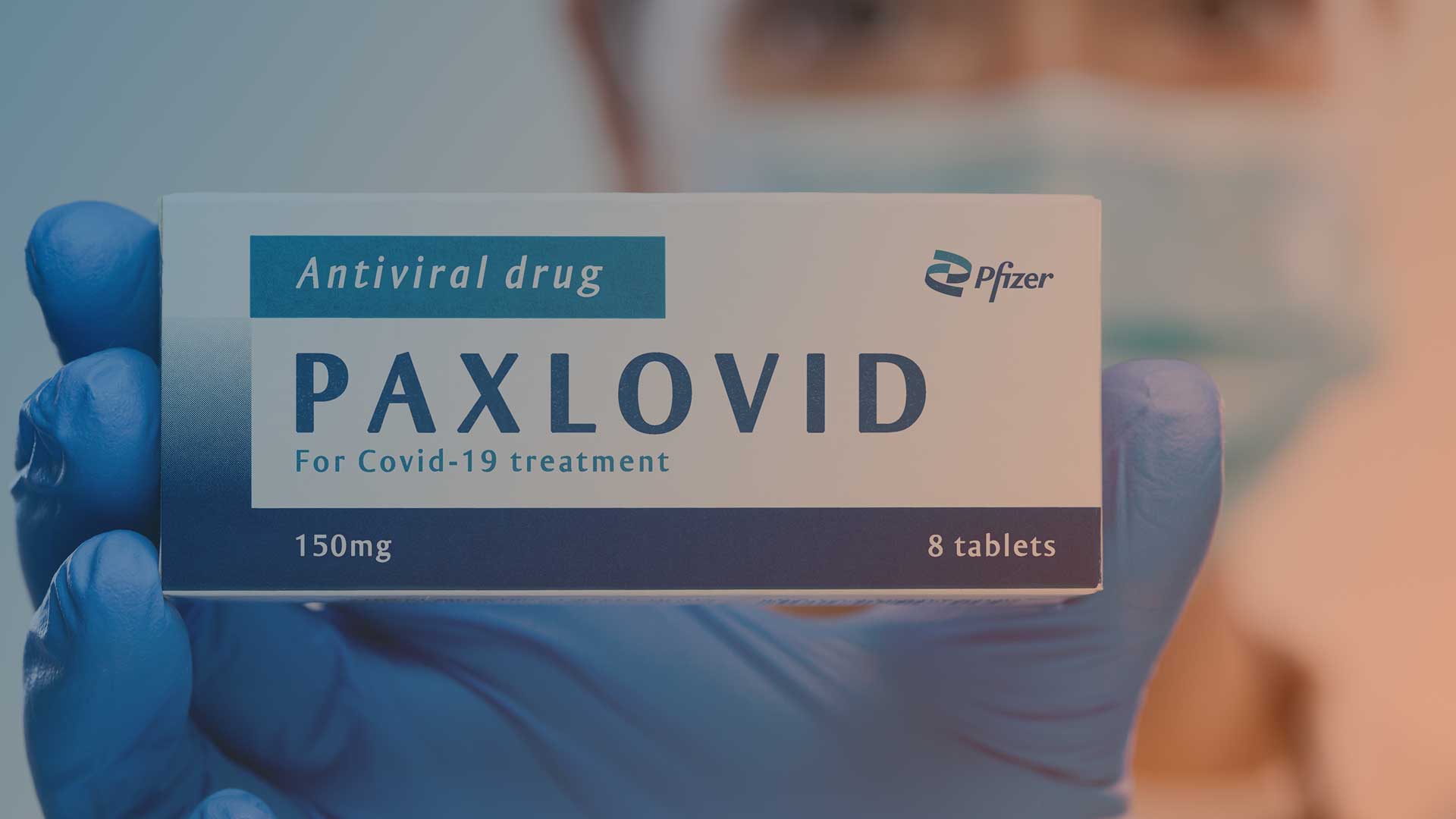
For several weeks now, the drug Paxlovid from the US pharmaceutical company Pfizer has been available in Germany for high-risk patients with COVID-19, and it can significantly reduce severe cases and deaths in this patient group.1. In this context, high-risk patients include, among others, those with lung diseases, and thus also Alphas whose Alpha1 antitrypsin deficiency has already manifested itself in clinically significant lung abnormalities.
In phase 2 and 3 clinical trials with paxlovide at unvaccinated people It has been shown that the risk of a severe course with hospitalization, intensive care treatment or death is reduced by almost 90% compared to the placebo group if treatment is started sufficiently early (at the latest on the fifth day after the onset of the first symptoms, preferably on the third day).2. On day 5 of treatment, the decrease in viral load was 10 times greater than in the placebo group. Observed side effects (loss of taste, diarrhea, vomiting, and headache) were mild and temporary. In another study, which also included vaccinated individuals, the results were only marginally worse; however, since the study results have not yet been published in detail, the influence of vaccination status on the treatment outcome cannot yet be determined. Due to the overwhelmingly positive results, the drug received provisional emergency use authorization in the USA. Such authorization is granted when the results in clinical trials are so compelling, even before the formal completion of all pre-defined evaluation steps, that it would be ethically unacceptable to withhold treatment from patients because the already identified benefits far outweigh any potentially remaining hidden risks.
According to the Association of Statutory Health Insurance Physicians, the drug has been approved in the EU since the end of January.1, Initially, 40,000 treatment units were ordered for Germany. According to the German Medical Journal (Ärzteblatt) of August 2, 2022, physicians will now be able to prescribe the COVID-19 medication Paxlovid without complications.3. The medication will be provided through pharmacies.
However, not all high-risk patients can benefit from the positive effects of this medication: while the Next toWhile the effects (as mentioned above) may appear less critical, they can lead to massive problems. ChangeInteractions with certain other medications may occur. These arise because a component of paxlovid can affect the absorption and/or breakdown of the active ingredients of these medications, resulting in an inappropriate drug concentration in the patient's blood. The paxlovid package insert therefore lists a longer compilation of ingredients and medications that are incompatible with paxlovid, which are discussed below. in excerpts is reproduced4:
- Alfuzosin (for the treatment of the symptoms of an enlarged prostate)
- Pethidin, Piroxicam, Propoxyphen (for pain relief)
- Ranolazin (for the treatment of chronic chest pain [angina pectoris])
- Neratinib, Venetoclax (for the treatment of cancer)
- Amiodarone, Bepridil, Dronedarone, Encainide, Flecainide, Propafenone, Quinidine (for the treatment of heart disease and for the correction of cardiac arrhythmias)
- Fusidic acid, rifampicin (for the treatment of bacterial infections)
- Carbamazepine, phenobarbital, phenytoin (for the prevention and control of seizures)
- Colchicine (for the treatment of gout)
- Astemizole, Terfenadine (for the treatment of allergies)
- Luradison (for the treatment of schizophrenia)
- Pimozide, Clozapine, Quetiapine (for the treatment of schizophrenia, bipolar disorder, severe depression and abnormal thoughts or feelings)
- Dihydroergotamine and ergotamine (for the treatment of migraine headaches)
- Ergometrine and methylergometrine (to stop excessive bleeding that may occur after childbirth or abortion)
- Cisapride (for the relief of certain stomach problems)
- St. John's wort (Hypericum perforatum) (a herbal remedy for the treatment of depression and anxiety)
- Lovastatin, simvastatin, lomitapide (to lower cholesterol levels in the blood)
- Avanafil, Vardenafil (for the treatment of erectile dysfunction [also known as impotence])
- Sildenafil for the treatment of pulmonary arterial hypertension (high blood pressure in the pulmonary artery)
- Clorazepate, diazepam, estazolam, flurazepam, triazolam, midazolam Taken orally (to relieve anxiety and/or sleep disorders)
In the aforementioned and more For medications not listed here, the attending physician must decide on a case-by-case basis whether these can be discontinued in favor of taking Paxlovid or whether another medication against COVID-19 can be used.
In this context, the following is of particular interest to many Alphas: An overview by the specialist group for intensive care medicine, infectiology and emergency medicine COVRIIN at the Robert Koch Institute points out that also the treatment with Inhaled corticosteroids, e.g., fluticasone, budesonide, triamcinolone, may need to be paused after consultation with the treating physician.5.
Even in transplant recipients, the drug cannot be used without further consideration: the effectiveness of medications to prevent organ rejection (e.g., cyclosporine, tacrolimus, everolimus) is also affected by taking paxlovid, which is why these medications may also need to be paused or continued only with a strictly controlled, adjusted dosage.5,6,7. Transplant recipients must therefore never take Paxlovid on an outpatient basis., but – if anything – only in individual cases as part of a clinical stay and in close consultation with the transplant center8.
Therefore, here's what we advise all our (non-transplanted) Alphas regarding COVID-19:

- Continue to wear an FFP2 mask, especially in crowded indoor spaces.
- Discuss with your pulmonologist whether another booster shot against SARS-CoV-2 would be beneficial for you.
- Get vaccinated against the flu as soon as the vaccines for the 2022/2023 season are available (typically from October); for those over 60, there will be two vaccines this year with differences in dosage.9; Consult your doctor if necessary; generally, flu and COVID-19 vaccinations can now be administered simultaneously.10, even when using the high-dose flu vaccine recommended for older people11
- Pay attention to the typical COVID-19 symptoms (cough, fever, runny nose, sore throat, and disturbances of the sense of smell and/or taste, but also shortness of breath, headache and body aches, general weakness or gastrointestinal problems such as nausea, loss of appetite, vomiting, abdominal pain and diarrhea).12; if these symptoms occur, consult a doctor immediately Get tested or test yourself; if the test result is negative but symptoms persist, you should also test yourself on the following days and contact your doctor if in doubt.
- in the event of a positive test result
- sit down immediately contact your doctor
- In the now very unlikely event that he does not bring up the topic himself, mention your Alpha1 antitrypsin deficiency and ask him about the possibilities of treatment with Paxlovide.
- Inform your doctor about this all Medications you are currently taking, especially those prescribed by other doctors.
- If you have been prescribed Paxlovid, please strictly follow your doctor's instructions regarding taking or pausing your usual medications during Paxlovid treatment.
Editor's Note
The EMA has published a list of vaccines and therapeutics authorized in the European Union (EU) for the prevention or treatment of COVID-19 (Notice dated August 6, 2022). Also the vfa has a good summary about the current status of medications approved for Covid-19.
We would like to emphasize that this is the current state of affairs and that patients should always ask their doctor about any new developments regarding treatment.
- https://www.pfizer.com/news/press-release/press-release-detail/pfizer-announces-additional-phase-23-study-results
- https://www.aerzteblatt.de/nachrichten/136392/Hausaerzte-sollen-15-Euro-fuer-Abgabe-von-Paxlovid-erhalten
- https://www.kbv.de/media/sp/2022-02-22_Paxlovid_Gebrauchsinformation_Patienten.pdf
- https://www.rki.de/DE/Content/InfAZ/N/Neuartiges_Coronavirus/COVRIIN_Dok/Arzneimittelwechselwirkungen_Paxlovid.pdf?__blob=publicationFile
- https://www.ajkd.org/article/S0272-6386(22)00029-4/fulltext
- https://www.medpagetoday.com/transplantation/transplantation/98708
- http://www.klinikum.uni-muenchen.de/Transplantationszentrum/de/index.html
- https://www.rki.de/SharedDocs/FAQ/Impfen/Influenza/Hochdosis-Impfstoffe/FAQ_Uebersicht.html
- https://www.pharmazeutische-zeitung.de/grippe-und-corona-impfung-gleichzeitig-moeglich-128351/
- https://www.infektionsschutz.de/coronavirus/basisinformationen/symptome-und-krankheitsverlauf/#:~:text=H%C3%A4ufige%20Symptome%20bei%20Infektionen%20mit,Magen%2DDarm%2DSymptome%20auftreten
All internet sources accessed at the beginning of August 2022
Photo credits: Paxlovid: Cryptographer / Shutterstock.com; Rapid test: nitpicker / Shutterstock.com; Vaccination: diy13 / Shutterstock.com; FFP in supermarket: Kzenon / Shutterstock.com.


