
COPD and Alpha-1: "Don't lump patients together"„
Author
Alpha1 Germany eV.
Inga Jarosch is a research associate at the Pulmonology Center of the Schön Clinic Berchtesgadener Land. In a recent article published in the specialist journal respiration In a published study, the researcher investigated the effects of physical training during a three-week rehabilitation program on COPD patients with and without alpha-1 antitrypsin deficiency. Alpha1 Germany spoke with Ms. Jarosch about her surprising findings.
In lung diseases such as COPD and Alpha-1, skeletal muscles are affected. Why is this?
Several factors are responsible for this. Chronic oxygen deficiency alters the muscle fibers and the blood vessels that supply the muscles with oxygen. The muscles tire more easily. Shortness of breath is another contributing factor. As a result, many patients tend to avoid physical exertion, further reducing their physical performance. This creates a risk of a downward spiral of inactivity, which can ultimately lead to immobility.
To what extent can physical training counteract this?
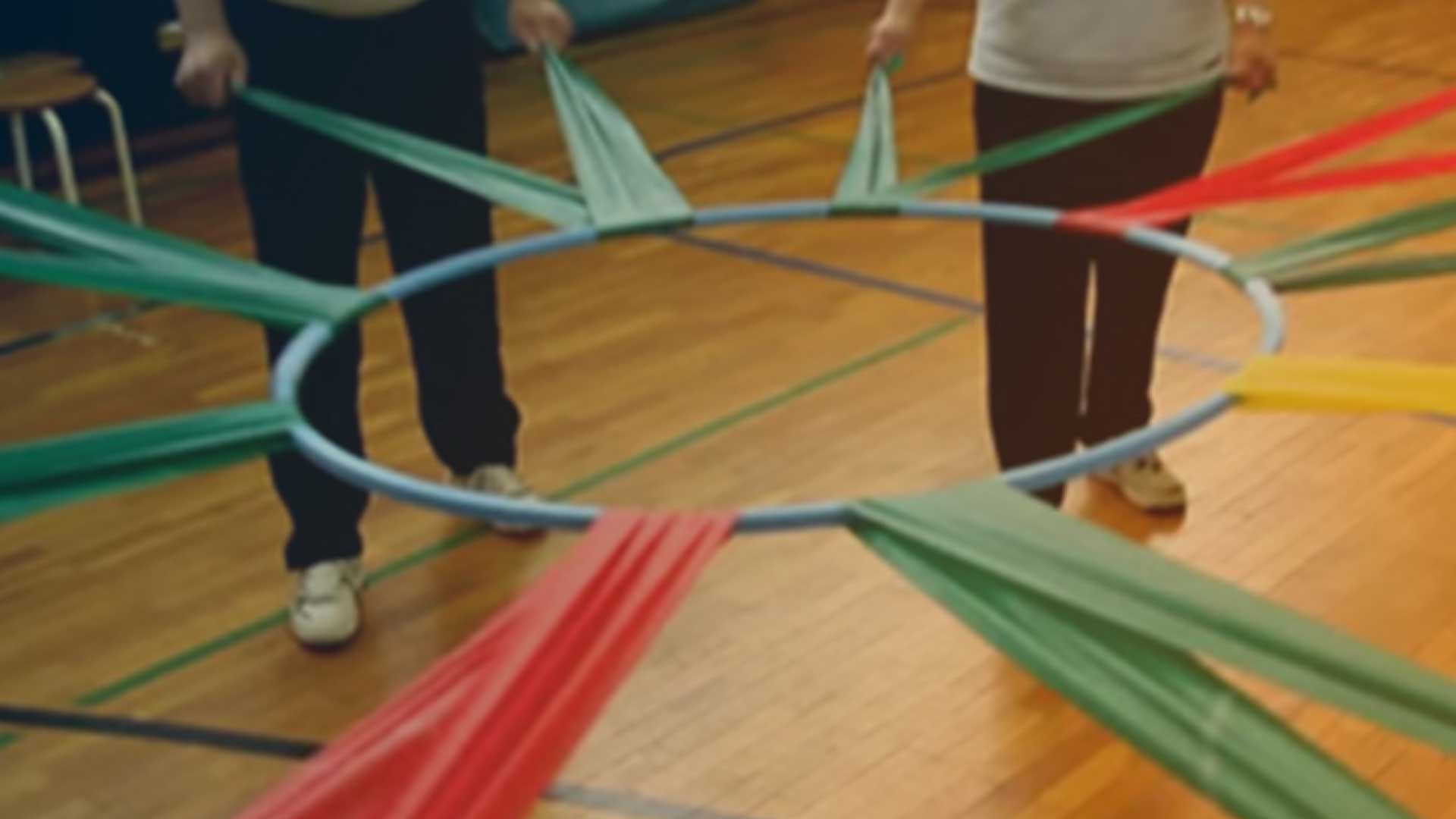
Staying physically active is incredibly important. It doesn't always have to be an intensive training program. Even everyday activities like gardening or walking the dog have positive effects. Good results can also be achieved at home with an exercise bike or a simple resistance band. As an Alpha-1 lung disease patient, I can hardly, if at all, influence the lung disease itself. But I can control my physical activity and fitness level. Staying physically active reduces symptoms and improves quality of life.
They studied patients with Alpha-1 (PiZZ) and those with non-inherited COPD (PiMM) regarding their training outcomes. What surprised you most?
The Alpha-1 patients in our study were younger than the COPD patients, smoked less frequently, and were highly motivated. Nevertheless, their improvement in performance was comparatively smaller: they showed less improvement during our three-week training program than the patients with COPD.
What exactly did you measure?
We performed the classic 6-minute walk test and determined the peak performance on a bicycle ergometer. We also examined the muscle directly to determine the effects of the training. For this purpose, we took a small sample from the thigh muscle and analyzed the muscle fibers.
What differences did you notice?
Put simply, there are two types of muscle fibers. Type I is responsible for endurance: these fibers work very efficiently and require oxygen to function. Type II is more strength-oriented and fatigues more quickly. Endurance is crucial for everyday activities.
As expected, COPD patients in our study primarily built up type I muscle fibers – as we also observe in healthy individuals after a corresponding training phase. However, there was a surprise with the Alpha-1 patients: their type I muscle fiber count remained stable, while they primarily built up type II fibers. This likely explains why they were not able to improve their performance as significantly.
What could be the reason for this?
We don't know for sure yet. We have indications that the replacement therapy plays a role. It may act like a "protein diet," thus promoting strength gains rather than endurance. However, this is currently only a hypothesis – the patient group studied was too small for definitive conclusions. We hope to gain more clarity from another study that we have just begun.
What do their findings mean for Alpha-1 patients and their training program?
First of all, our study has shown that Alpha-1 patients and COPD patients should not simply be lumped together. The clinical presentation of the two diseases differs in many respects.
Both patient groups benefit considerably from physical training. The differences we observed in the muscles are not so noticeable in practice. For example, both groups performed equally well in the 6-minute walk test. Nevertheless, our findings could contribute to the development of a specific training program for Alpha-1 patients in the future, one that is precisely tailored to the needs of this patient group.
What happens next?
We want to find out how patients react to different training intensities and which training offers the greatest benefit for which patient. We also want to better understand which parameters are responsible for the differences we have observed. For this study, we are still looking for patients who would like to participate and support us in our basic research.


