
Updates on the status of our EU petition regarding the SoHO regulation, March and April 2024
Author: Dr. Heinz Stutzenberger, 2nd Chairman of Alpha1-Deutschland eV.
At the end of February, the EU Commission responded to our petition in a letter to the Petitions Committee. Regarding our points of criticism, the responses essentially stated:
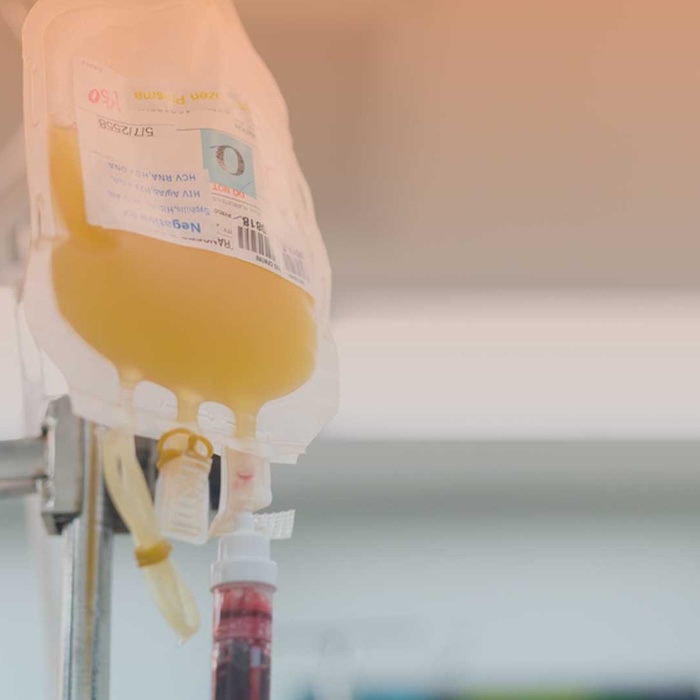
- It is not the blood plasma donation itself that is considered a risk, but rather repeated, frequent donations that pose a potential risk to the donor.
- The regulation will allow for compensation for expenses, but will adhere to the principle of voluntary, unpaid donations; the determination of the amount of compensation is at the discretion of the individual member states.
- The Commission believes that the SoHO scheme will encourage donations and supports the European Parliament and Council's efforts to ensure a safe supply of plasma.
It can therefore be stated that the proposed wording has been significantly improved in our favor compared to the wording in effect at the time of the petition, even if it does not correspond to what we consider desirable with regard to increasing the willingness to donate plasma. However, the German regulation on compensation for plasma donors should be retained in the future.
The European Parliament is expected to vote on the adoption of the current version of the SoHO regulation in April 2024.
Addendum dated April 11, 2024:
At its meeting on April 9, 2024, the EU Petitions Committee closed our petition with reference to the aforementioned opinion of the EU Commission, which was to be expected after the text of the regulation had been finalized in the meantime.
What lessons can we learn from this process?
- An EU petition is clearly an approach that makes it possible, with manageable effort, to draw attention to a matter at EU level and to introduce one's own argument into the political debate in a publicly perceptible manner.
- A petition process is quite lengthy, therefore submitting it as early as possible is advisable.
That concludes our coverage of this topic.
The original statement from the EU Commission can be found here:

It is written in English. We recommend DeepL for translation. https://www.deepl.com/de/translator


