Fine dust – the invisible danger
Author
Alpha1 Germany eV.
It's on everyone's lips: particulate matter, associated with the diesel scandal and driving bans in major cities. We would like to approach the topic from the perspective of lung damage and offer you a tool to determine the amount of particulate matter in the air:
The German Federal Environment Agency has launched an app on air quality for Android and iPhone devices. Current measurement data on particulate matter, nitrogen dioxide, and ozone from 400 monitoring stations are now available.
This app shouldn't simply lead to avoiding places with high levels of particulate matter, but rather encourage everyone to take small steps to combat pollution. Therefore, it's important to understand the terms particulate matter, ozone, and nitrogen dioxide more precisely and to consider what each individual can do to reduce air pollution.
The German National Academy of Sciences Leopoldina is Germany's highest-ranking research organization. Its extensive studies have shown that particulate matter poses a greater global health risk than nitrogen oxides. A nationwide air pollution control strategy is urgently needed. Stuttgart, for example, prohibits the use of fireplaces on days with particulate matter alerts. The general discussion includes not only diesel driving bans and the use of electric cars, but also raises the question of whether tire abrasion contributes significantly to particulate matter pollution.
In Germany, 2.25 million tons of annual particulate matter emissions are emitted on New Year's Eve alone! Depending on weather conditions, peak values exceeding 1000 μg/m³ can be measured in major cities during the first hour of the new year. These levels then fall back to normal after a few hours.
>>> Read more here
Many high-ranking physicians are concerned about the dangers associated with particulate matter. Prof. Dr. Tobias Welte, MHH, President of the European Respiratory Society, and well known to us Alphas as a dedicated physician, spoke out on the topic of particulate matter, along with other pulmonologists.
>>> To the article
But please don't forget: the biggest burden for you is and remains smoking!
Please remember to get your flu shot this year.
In addition to the reasons we all know, we find further good information in the patient library, Autumn 2019, page 10: The flu vaccine has the important side effect of boosting the immune system, lubricating the body's own immune machinery, and ensuring a faster and more active defense against pathogens other than just the flu virus. For patients with respiratory conditions, a vaccination against pneumococcus, one of the most dangerous types of bacteria that can cause pneumonia, is also recommended.
And page 6: Proven to show fewer cases of pneumonia in grandparents when their grandchildren are vaccinated against pneumococcus!
>>> To the patient library issues

New reference book for doctors
The ERS Monograph α1-Antitrypsin Deficiency is now available. The ERS Monograph is the quarterly book series of the European Respiratory Society (ERS). Each monograph covers a specific area of respiratory medicine and offers detailed overviews, providing clinicians at all levels with concise, comprehensive guidance on symptoms, diagnosis, and treatment. All current information and studies are incorporated. What makes this edition special: IT'S ABOUT US!
It concerns alpha-1 antitrypsin deficiency, and it was important to the experts to also publish the patients' perspective on the disease.
Groundbreaking publication on liver involvement in alpha1-antitrypsin deficiency published in the journal "Gastroenterology"
„Alpha1 antitrypsin deficiency is a common rare disease and one of the most frequent causes of death from genetic disorders worldwide. It primarily affects the lungs and liver,“ reports Dr. Karim Hamesch, first author of the publication and coordinating study physician. Dr. Pavel Strnad, senior author and European study director, adds: „While the extent of lung involvement in this genetic metabolic disorder is quite well defined, there was a knowledge gap regarding liver involvement, which can now be filled.“
The two scientists began systematically recording liver involvement in patients with this rare disease in 2015. The study registry was quickly expanded to neighboring countries, and subsequently, other countries joined. This led to the formation of a European study group under Aachen's leadership.
These efforts have since been recognized by the European Commission's European Reference Network and the European Association for the Study of Liver Diseases (EASL) registry grant. Thanks to the active support of collaborating scientists and, above all, the patient representatives and referring pulmonologists, the European Reference Center in Aachen has established the world's largest cohort of Alpha1 patients with detailed liver characterization. "In our recently published report, we systematically examined over 550 patients with the classic form of Alpha1 antitrypsin deficiency (Pi*ZZ genotype) from nine European countries. Approximately one-quarter to one-third of these patients show signs of liver scarring," reports Dr. Hamesch. "Many of the patients also exhibit metabolic changes and fatty liver. These findings have also been confirmed in mouse experiments," adds Dr. Strnad.
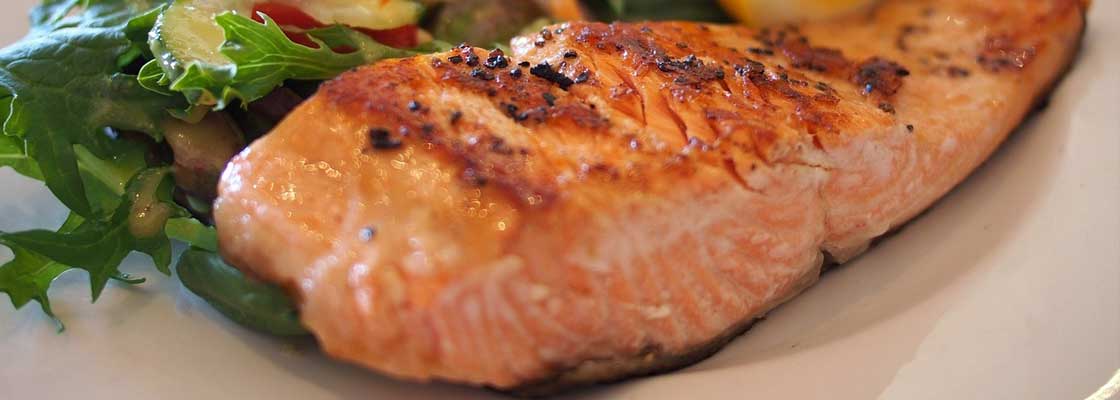
Our kitchen tip for boosting your immune system: Salmon with spicy savoy cabbage
We want you to get through the winter well, why not try cooking the following: salmon with spicy savoy cabbage.
>>> To the recipe